The MacBook Air’s price increase to $1,299 marks a pivotal moment for Apple, testing whether its latest hardware improvements can sustain premium pricing in a crowded laptop market. While some online retailers still offer discounts, the shift suggests a deliberate attempt to position the device as more than just an entry-level option—one that demands closer scrutiny of its real-world performance and cost efficiency.
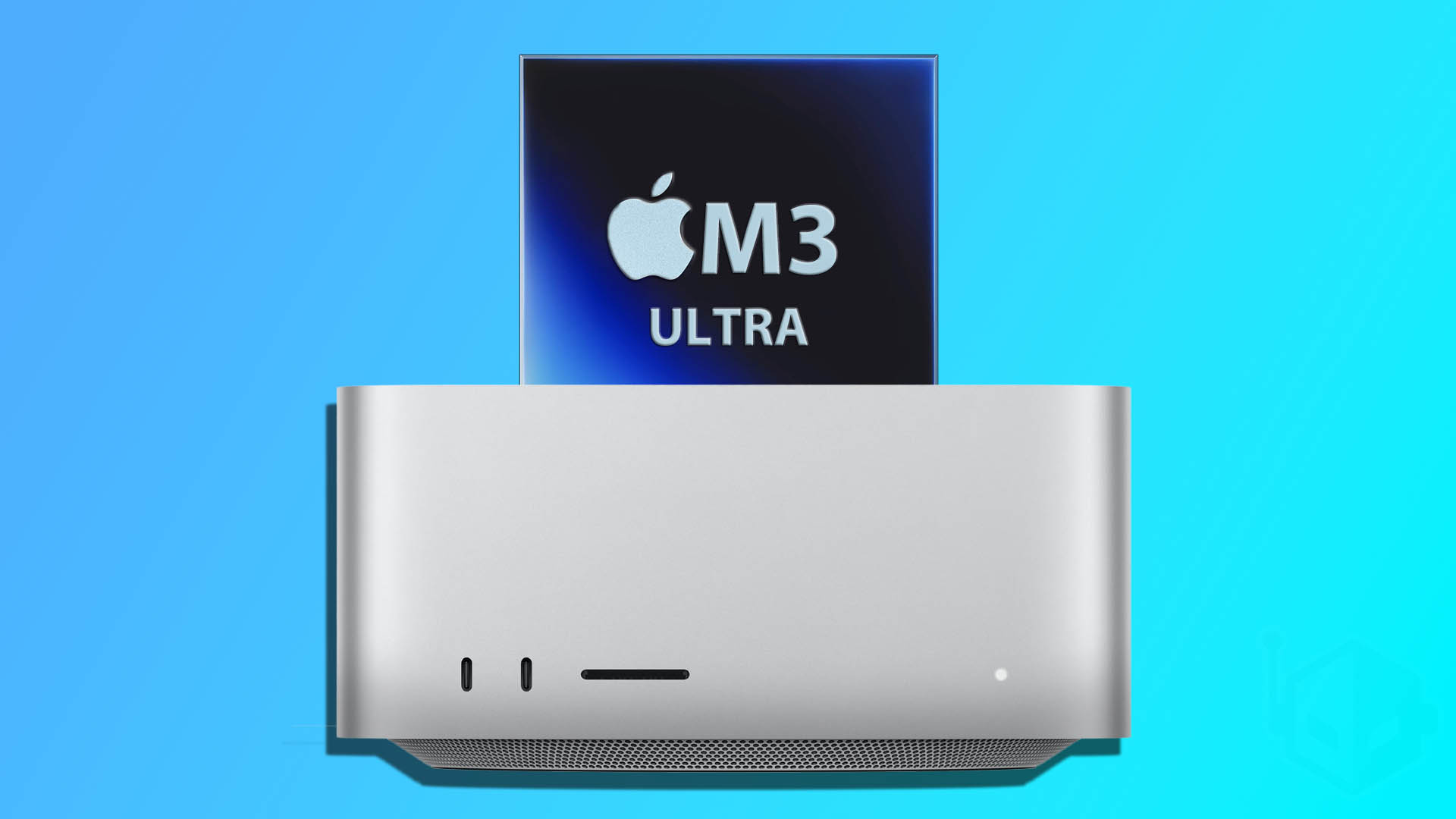
Performance benchmarks paint a clear picture: the M2 chip, with its 8-core CPU and up to 10-core GPU, delivers noticeable improvements in speed and power consumption. Tasks like video editing or multitasking show measurable gains, but the question is whether these translate into tangible productivity benefits for everyday users. The unified memory system, which combines RAM and storage, adds complexity while potentially streamlining performance—though it may confuse users accustomed to traditional hardware distinctions.

For professionals and creatives, the Air’s efficiency could be a selling point, especially when paired with Apple’s ecosystem. However, the $1,299 starting price may limit its appeal outside that circle. Competitors often offer similar performance at lower costs, leaving Apple to prove that the M2 chip’s advancements justify the premium over time.
Online discounts complicate this narrative. If they persist, they could undermine Apple’s attempt to elevate the Air as a higher-tier product. Conversely, if they fade, the price may become a barrier for budget-conscious buyers who once saw the MacBook Air as an accessible gateway into Apple’s ecosystem. The long-term impact remains uncertain, but real-world usage will determine whether the performance gains outweigh the cost increase.