Apple’s top-tier Mac Studio has jumped to $14,399, positioning it as the most expensive desktop in its lineup. Yet with a maximum of 96GB unified memory, the machine forces buyers to weigh cost against performance needs—particularly for those working with large datasets or high-resolution workloads.
The price increase reflects Apple’s strategy to differentiate the Mac Studio from other models, but the fixed memory configuration introduces a constraint that could limit its appeal in professional environments. IT teams evaluating upgrades will need to assess whether the machine’s capabilities align with their workflow requirements, especially when compared to alternatives that offer more flexible memory options.
The Mac Studio remains built around Apple Silicon, leveraging an M2 Ultra chip with 96GB of unified memory—memory that serves both the CPU and GPU. This architecture is designed for efficiency but also imposes a hard limit on scalability. For tasks that demand more than 96GB—such as rendering high-resolution 3D models or processing large datasets—the machine may not deliver the performance expected from its price point.
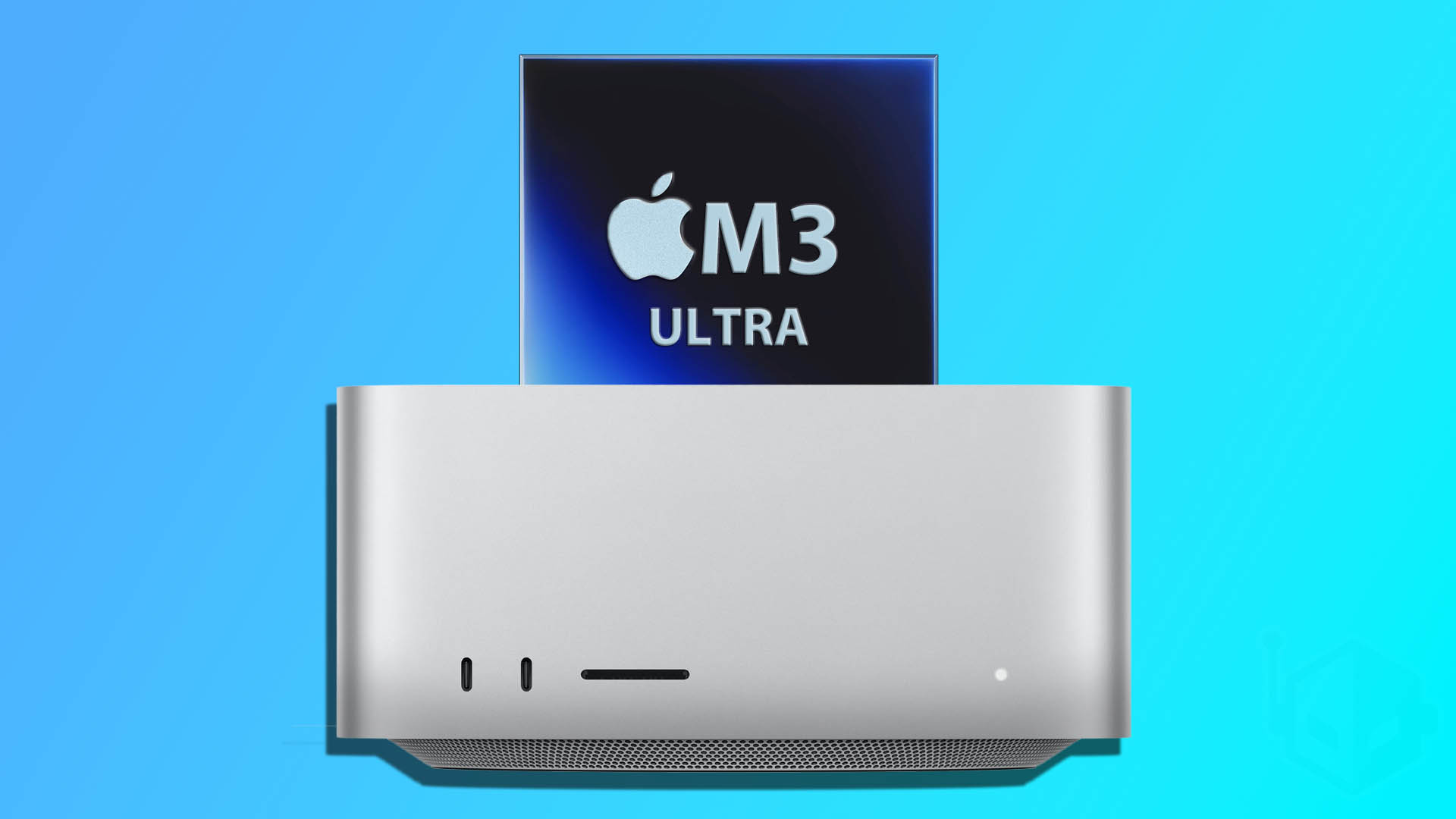
Despite this, Apple’s focus on integration and streamlined workflows continues to appeal to creative professionals and enterprises that prioritize stability over raw expandability. The lack of user-upgradable memory means buyers must commit to the highest configuration upfront, which could be a significant investment for those unsure about future needs.
For IT departments, the Mac Studio’s pricing and memory constraint present a trade-off: a powerful, integrated system at a premium cost, but with limited room for customization. Those in need of more memory may find themselves looking toward other platforms, where scalability comes at a different price.
The Mac Studio stands as a testament to Apple’s approach—polished, high-performance hardware designed for specific use cases rather than broad flexibility. For buyers who fit that profile, the $14,399 price is justified by its capabilities. For others, the trade-off may prove too steep.