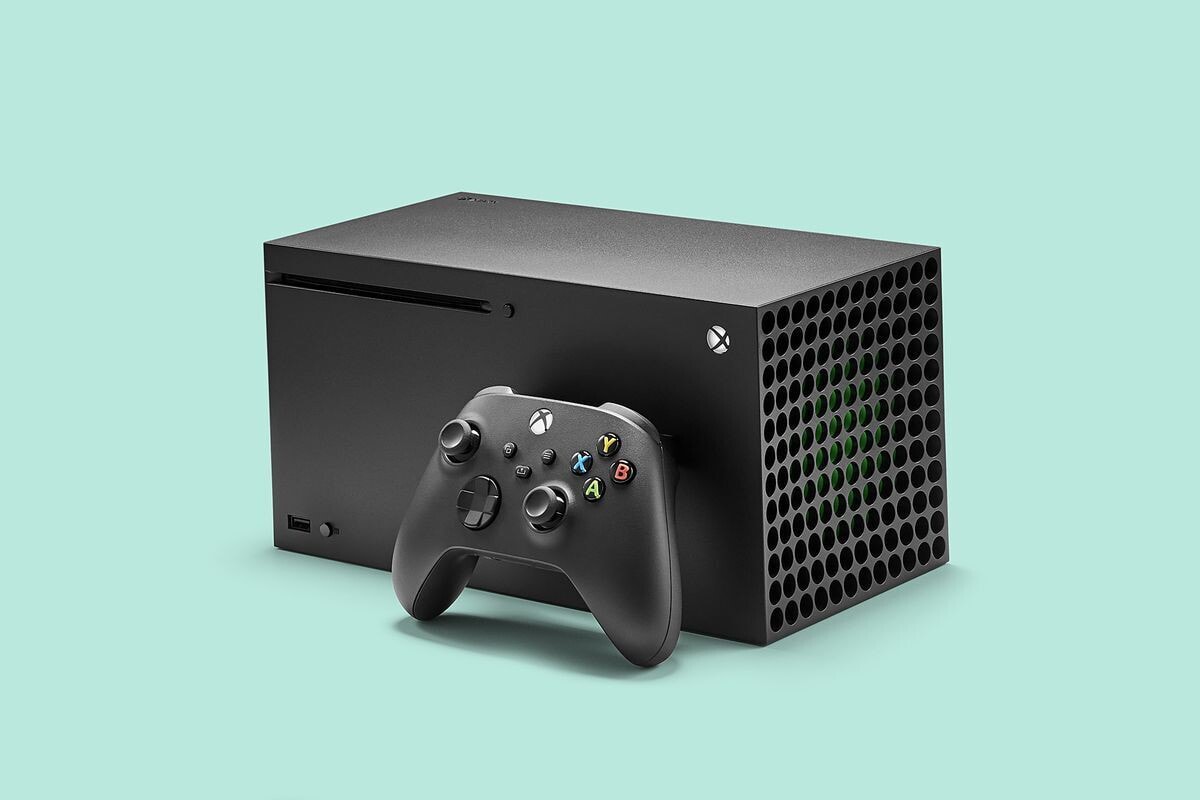
The cost of storage and memory components for the Xbox Series X and S has nearly tripled over the past year, forcing Microsoft to reconsider its pricing strategy. This latest surge comes as global supply chains grapple with sustained inflation in key materials, particularly DRAM and NAND flash, which are central to next-generation gaming hardware.
Current models already reflect the impact: the Series X, equipped with 16 GB of GDDR6 RAM and a 1 TB NVMe SSD, now carries a higher base price. The Series S, while more compact at 512 GB, is also seeing upward pressure on its cost structure. Industry estimates suggest that by fall 2027, these components could become even more expensive, potentially leading to another round of adjustments for consumers.

For developers and content creators, this shift means tighter margins when designing games optimized for the Series X/S architecture. The increased memory bandwidth and faster storage speeds—critical for features like Quick Resume and seamless transitions—come at a premium that may not always translate into immediate performance gains for end users. Meanwhile, the console's reliance on high-speed NVMe storage to handle large game assets means that even minor increases in component costs can ripple through the entire ecosystem.
- Series X: 16 GB GDDR6 RAM, 1 TB NVMe SSD (base configuration)
- Series S: 10 GB GDDR6 RAM, 512 GB NVMe SSD (base configuration)
The longer-term outlook remains uncertain. While Microsoft has not confirmed specific timelines for further price adjustments, the trend aligns with broader industry movements in semiconductor pricing. For gamers and developers alike, this could signal a period of volatility in both hardware costs and software optimization strategies.