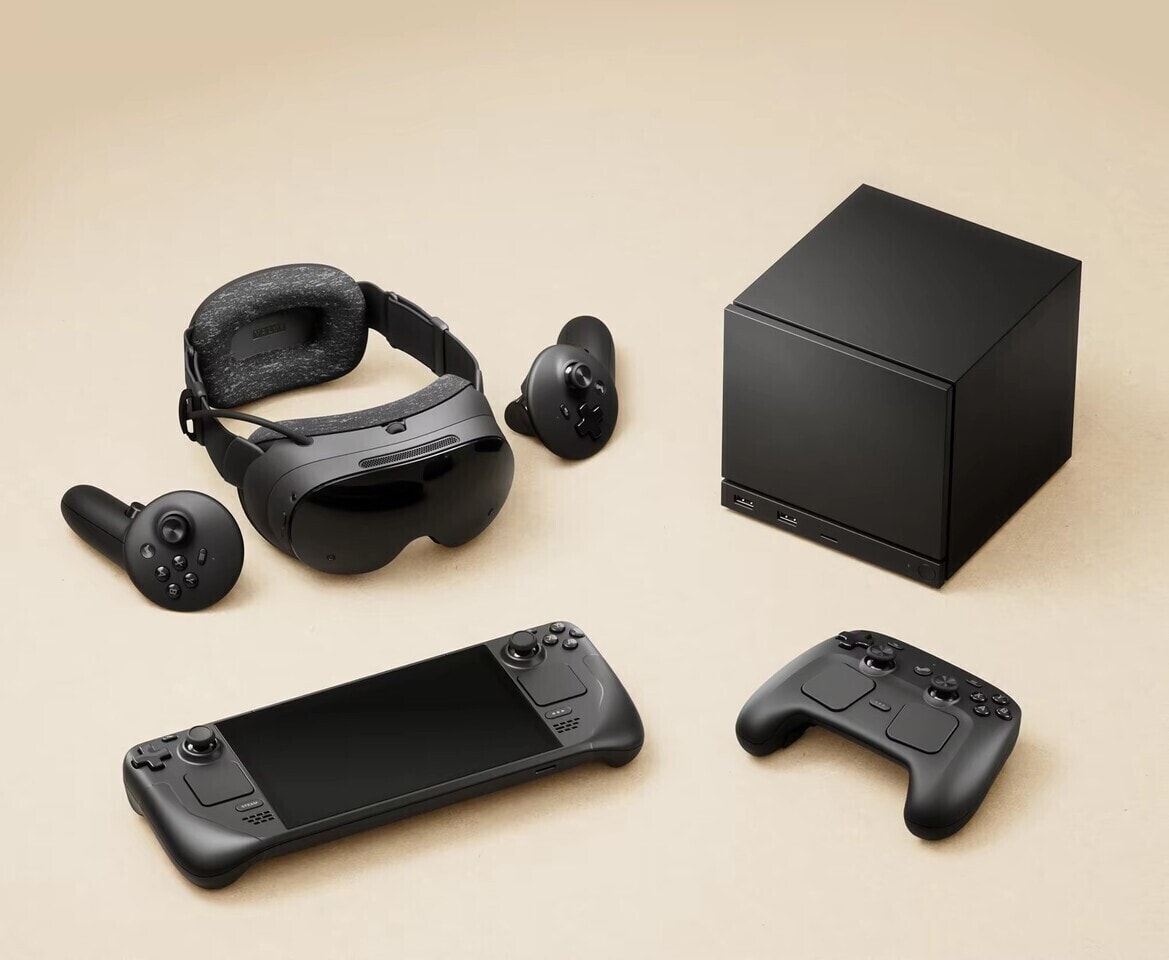
A creator unboxes the latest Steam Deck model, only to find performance varies wildly between units—some lag under load, others run smoothly. The discrepancy isn’t just a one-time glitch; it’s tied to a hardware lottery that could age the system faster than expected.
At first glance, Valve’s Steam Deck appears to be a well-engineered device: 16 GB of LPDDR5 RAM, a custom AMD GPU, and a display that adapts to ambient light. But beneath the surface, a design decision echoes a familiar problem from gaming’s past—one that could leave users with inconsistent performance and higher operational costs over time.
Why RAM Matters More Than Expected
The Steam Deck’s RAM configuration is where things get complicated. While most units ship with 16 GB, some creators report receiving variants with only 8 GB—despite Valve’s marketing language suggesting uniformity. This isn’t just a matter of storage; it affects how the system handles multitasking, background processes, and even game compatibility. In a market where RAM is increasingly critical for productivity tools alongside gaming, this inconsistency could become a significant drawback.
Performance in Practice: A Mixed Bag
Benchmark tests show that 16 GB models perform closer to Valve’s advertised specs, with smooth multitasking and minimal thermal throttling. However, 8 GB variants struggle under load, leading to noticeable slowdowns during intensive tasks or when switching between applications. This isn’t just a theoretical concern; it translates to real-world operational costs for creators who rely on the device for both work and play.
What’s at Stake?
The RAM lottery isn’t just about immediate performance—it could accelerate hardware aging. In an era where software demands grow faster than hardware, a device with limited RAM may become obsolete sooner, forcing users to upgrade more frequently. For creators who invest in high-end peripherals and workflows, this could mean higher long-term costs and less flexibility as their needs evolve.
A Cautious Outlook
Valve has yet to address whether future updates or firmware changes will mitigate the RAM discrepancy. If left unaddressed, this issue could set a precedent for other handheld gaming devices, making it a key factor for buyers to consider. For now, the Steam Deck remains a powerful tool—but one that carries more uncertainty than its predecessors.