NVIDIA's upcoming Blackwell-Next GPU architecture has quietly emerged in the latest Linux kernel patches, signaling steady development behind the scenes. While the company has previously confirmed its long-term roadmap—including the Rubin codenames for future GPUs—the appearance of Blackwell-Next raises fresh questions about naming conventions and product strategy.
The patch, which includes updates for Compute Express Link (CXL) support, suggests NVIDIA is refining low-level hardware integration even as it prepares to transition to the Rubin line. This dual-track development—where Blackwell variants continue alongside Rubin—complicates expectations for both consumer and server-grade products. For PC builders, the key takeaway is that Blackwell-Next may represent an intermediate step rather than a final architecture.
What’s Confirmed—and What Isn’t
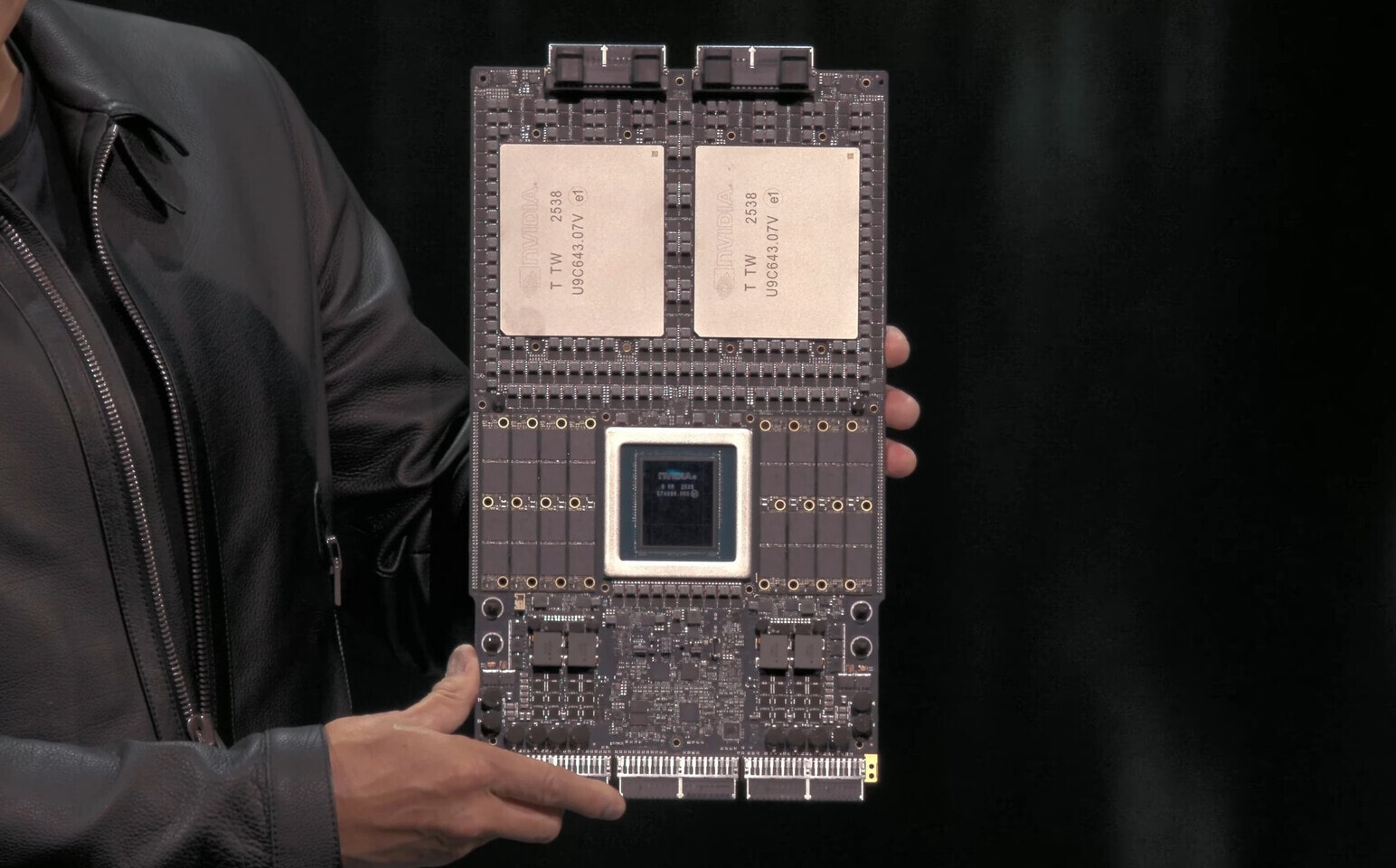
The Linux kernel patch explicitly references Blackwell-Next, but NVIDIA has not publicly acknowledged this codename in recent announcements. Instead, the company has consistently referred to Rubin as its next-generation architecture, with plans to integrate it into both GeForce GPUs and server accelerators like the RTX Spark SoC (paired with the Vera CPU). This discrepancy implies either an internal development branch or a misalignment between engineering teams and marketing.
What is clear is that Blackwell-Next is not tied to a separate consumer versus server division. Both RTX 50-series GPUs (including the RTX 5070, RTX 5060, and rumored RTX 5090) and high-end AI accelerators will eventually adopt Rubin. The Blackwell-Next patch appears to be an isolated case, possibly a holdover from earlier development phases or a test for specific features like CXL.
Why This Matters for Builders
For PC builders, the implications are twofold: performance gains and upgrade cycles. If Blackwell-Next delivers incremental improvements over current Blackwell GPUs (such as the RTX 50-series), users may see modest efficiency or ray-tracing enhancements before Rubin arrives. However, the lack of official confirmation means no definitive timeline or feature list exists yet.
NVIDIA’s strategy of overlapping architectures—Blackwell Ultra in the B300 series and Rubin on the horizon—suggests a phased rollout. Builders should monitor patch updates for signs of Rubin’s arrival, particularly around CXL support, which could redefine high-performance computing workloads.
What to Watch Next
The next critical milestone will be NVIDIA’s official reveal of the RTX 60-series, rumored for late 2026. If Blackwell-Next is indeed an intermediate step, its role in that lineup remains unclear. Meanwhile, rumors about a $5,000 RTX 5090—driven by AI industry demand—hint at the high-end market’s continued focus on Blackwell-based designs.
That said, the Rubin transition is inevitable. The question for buyers isn’t whether it will arrive, but when it will deliver enough performance gains to justify an upgrade over current 16 GB GDDR6X or HBM2e-based GPUs. For now, the Linux kernel patch serves as a reminder that NVIDIA’s pipeline remains active—even if the naming is still under wraps.