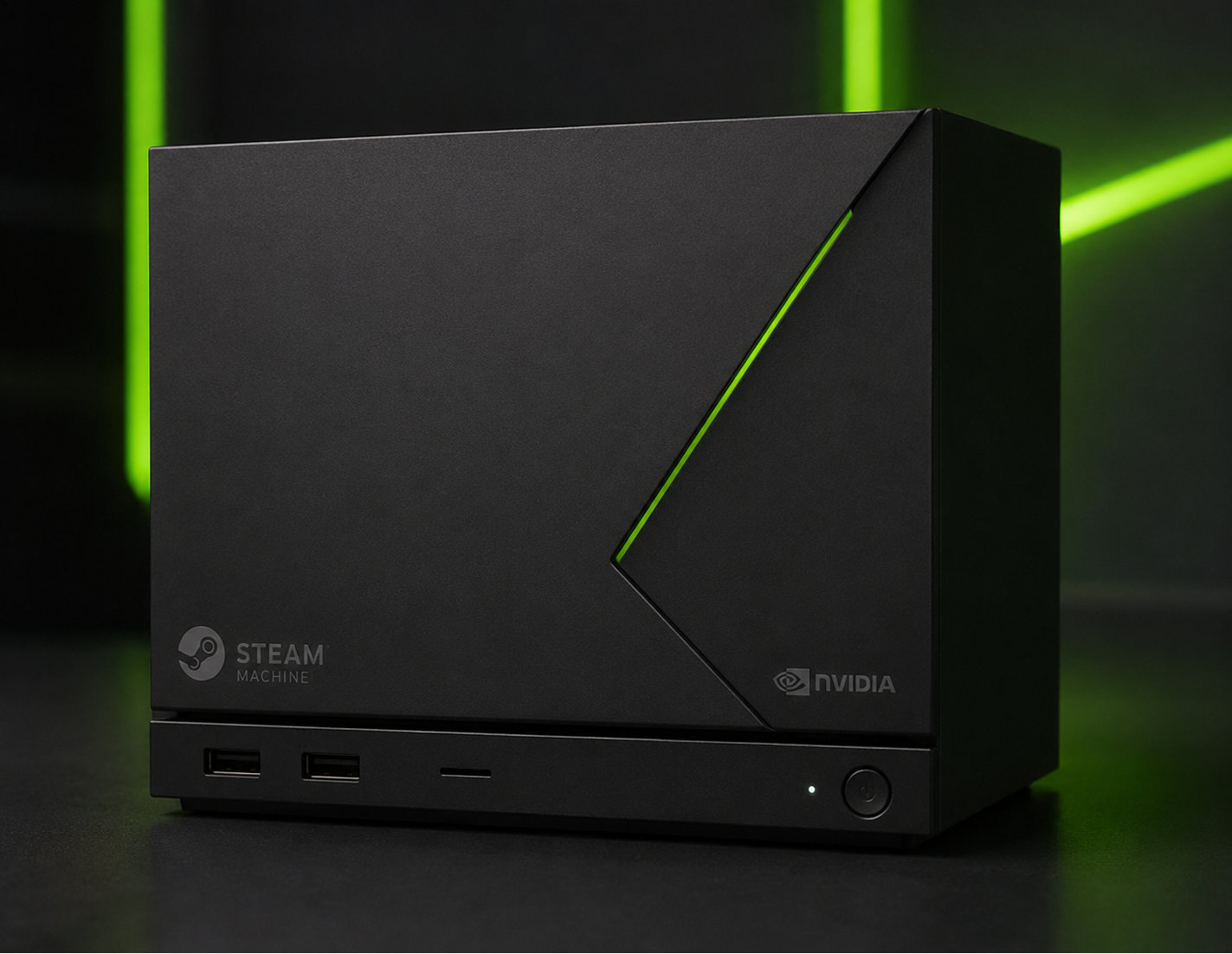
For gamers who rely on SteamOS to power their rigs, the latest collaboration between Valve and NVIDIA promises broader hardware compatibility without sacrificing performance.
The move could shift how enthusiasts build or upgrade systems, but questions remain about long-term support and whether the benefits outweigh the hype for everyday users.
Bridging the Gap Between Software and Hardware
SteamOS has long been a staple for PC gaming, offering a seamless experience that ties software updates to hardware performance. Now, Valve is expanding its reach by working with NVIDIA to ensure more GPUs—including those in the GeForce RTX series—work optimally under SteamOS.
This isn't just about adding NVIDIA chips to the supported list; it's about refining how drivers and software interact. For example, NVIDIA’s AI features, like DLSS 3, are now more accessible on SteamOS-powered systems, which could be a game-changer for graphics-heavy titles.
What’s New—and What Stays the Same
- Wider GPU Support: NVIDIA GPUs, including those in the RTX 40 series (like the RTX 4090 and RTX 4080), are now officially supported on SteamOS. This means users can leverage NVIDIA’s latest tech without leaving Valve’s ecosystem.
- Improved Driver Integration: Valve has emphasized smoother driver updates, reducing the friction that often plagues cross-platform setups. However, whether this extends to other hardware (like CPUs or RAM) remains unclear.
The partnership doesn’t introduce a new SteamOS version yet—it’s more about refining existing support. That means no drastic changes for users, but incremental improvements in stability and performance.
A Cautious Outlook for Buyers
For those considering a SteamOS build or upgrade, the news is promising but not revolutionary. NVIDIA’s inclusion brings undeniable advantages, especially for AI-driven graphics features, but it doesn’t address broader concerns like software fragmentation or long-term hardware compatibility.
Enthusiasts building high-end rigs will likely see immediate benefits, while casual users may find the changes subtle. The real test will be how Valve and NVIDIA handle future updates—whether they keep pace with hardware advancements without breaking existing setups.
Where Things Stand for Gamers
The collaboration is still in its early stages, but it signals a shift toward tighter integration between gaming software and hardware. For now, users should treat this as an evolution rather than a revolution—one that could make SteamOS a more viable choice for those who prioritize performance over platform flexibility.