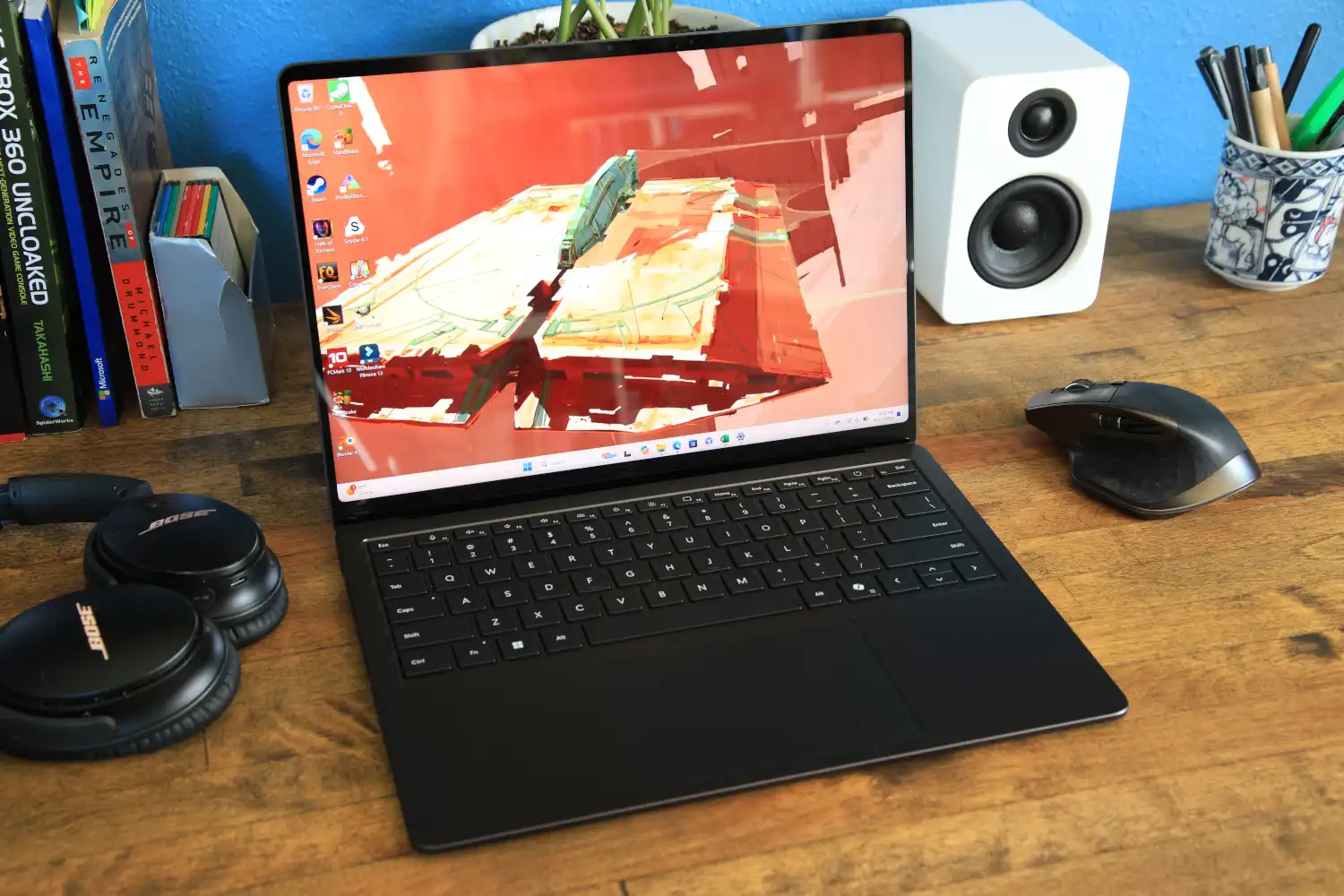
The latest laptop models are now available, marking a notable evolution in developer-focused hardware. While previous generations prioritized portability over raw power, this batch introduces more substantial performance improvements without compromising on battery life or weight. One standout feature is the inclusion of 16 GB of RAM as standard across multiple configurations, setting a new baseline for what developers can expect from their machines.
Under the hood, these laptops feature a new chipset with clock speeds of up to 3.5 GHz, paired with 512 GB of storage. This combination is designed to handle complex workloads more efficiently, such as compiling large codebases or running multiple virtual machines simultaneously. While the changes are incremental, they accumulate to deliver noticeable improvements in speed and responsiveness.

For developers, this shift offers two key advantages: greater flexibility in choosing hardware that aligns with long-term project demands, and a more favorable cost-to-performance ratio that makes upgrading from older models more appealing. However, whether these changes will disrupt existing workflows or simply provide incremental gains is still unclear.
As supply chains continue to stabilize, these models are expected to become more widely available over the coming months. While regional availability may vary, the confirmed details suggest a generation of laptops that balances power and efficiency in ways that could influence future upgrade decisions for developers.