Gaming laptop users are about to see a familiar face return in the form of Intel’s Raptor Lake HX processors, but with a twist: this iteration will support DDR4 memory modules, a nod to current market conditions and inventory management. The decision comes as Intel prepares for its next-generation Arrow Lake architecture while ensuring that high-performance laptops remain accessible without the cost premium typically associated with DDR5.
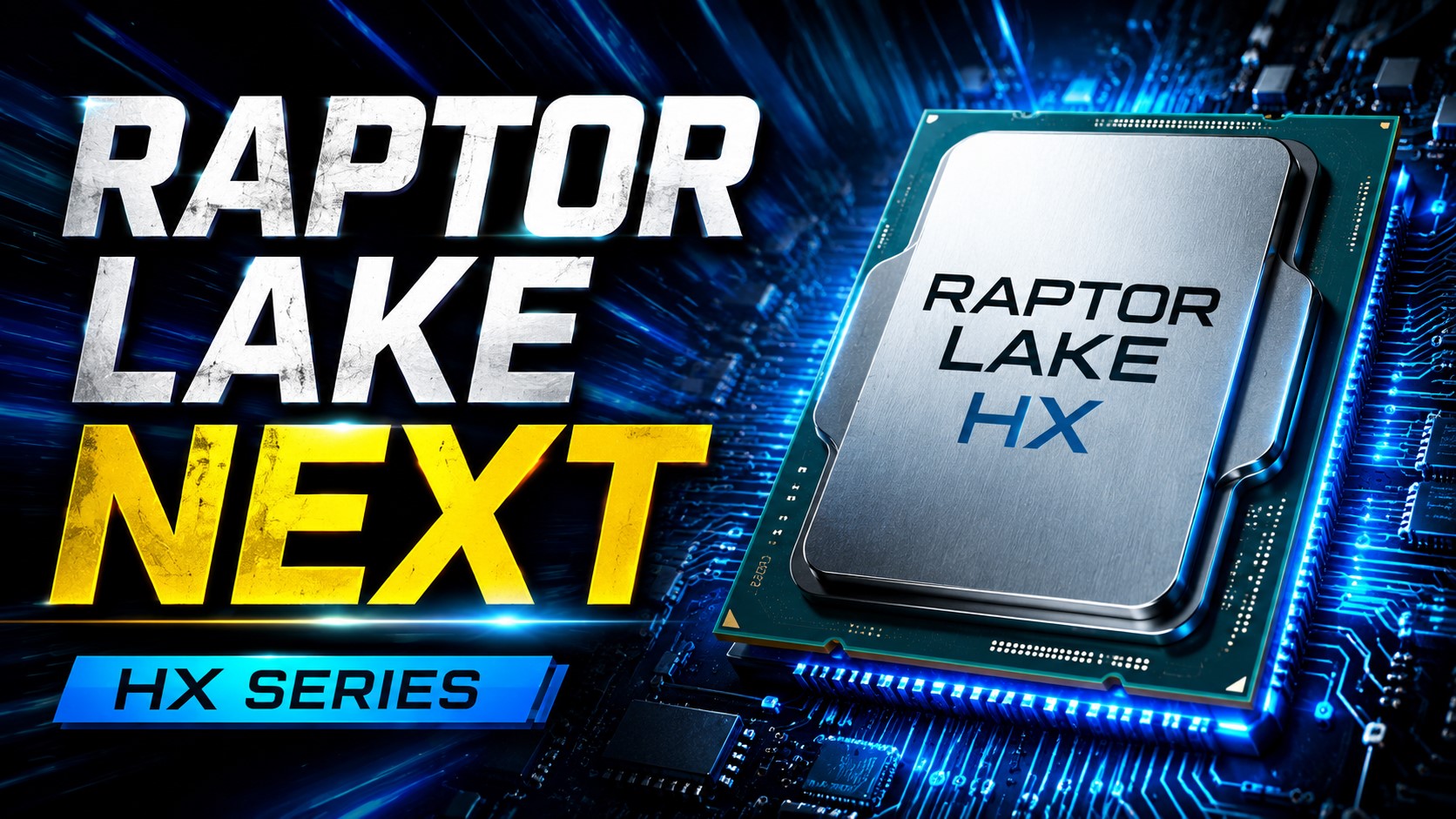
The new Raptor Lake Next HX line, set to debut in late 2026, will feature a core configuration of 8 performance cores and 16 efficiency cores, all built on Intel’s Intel 7 process node. Unlike its predecessors, this version lacks the low-power island E-cores, making it a power-hungry chip by today’s standards. The top SKU, likely an i9-14900HX successor, will push thermal design power (TDP) to new highs, with a base power of 55 W and a maximum turbo power of up to 159 W—though some OEMs may still opt for 320 W or even 400 W power bricks to handle sustained loads.
This isn’t just a refresh; it’s a strategic move. Intel is expected to guide OEMs away from using the Raptor Lake Next HX in favor of Arrow Lake-based models when DDR5 SODIMMs become more prevalent. The rationale? Arrow Lake, slated for 2027, will bring performance improvements that justify the higher memory bandwidth and cost. Until then, Raptor Lake Next HX will serve as a stopgap, ensuring that gaming laptops don’t fall behind while Intel transitions to its next architecture.
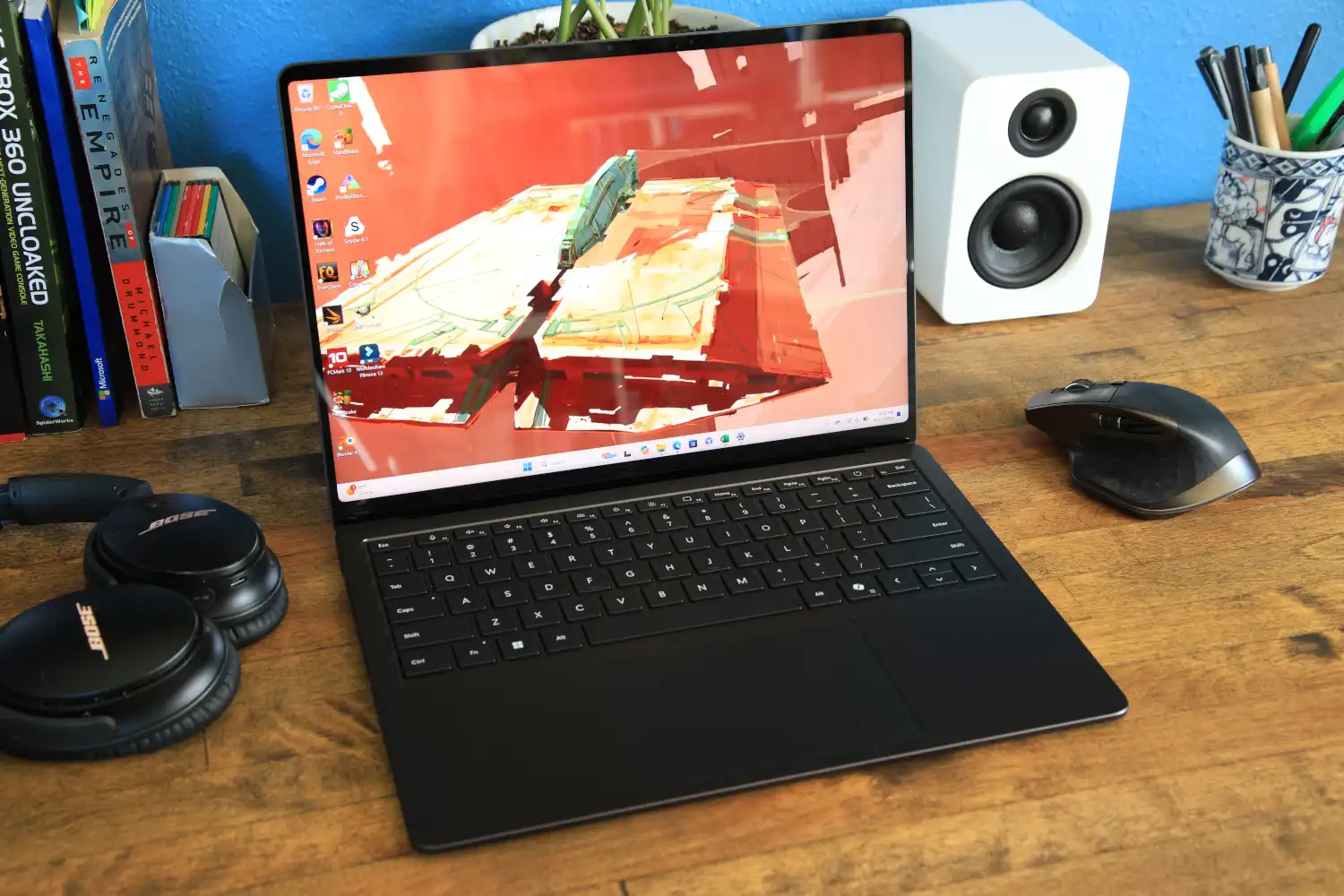
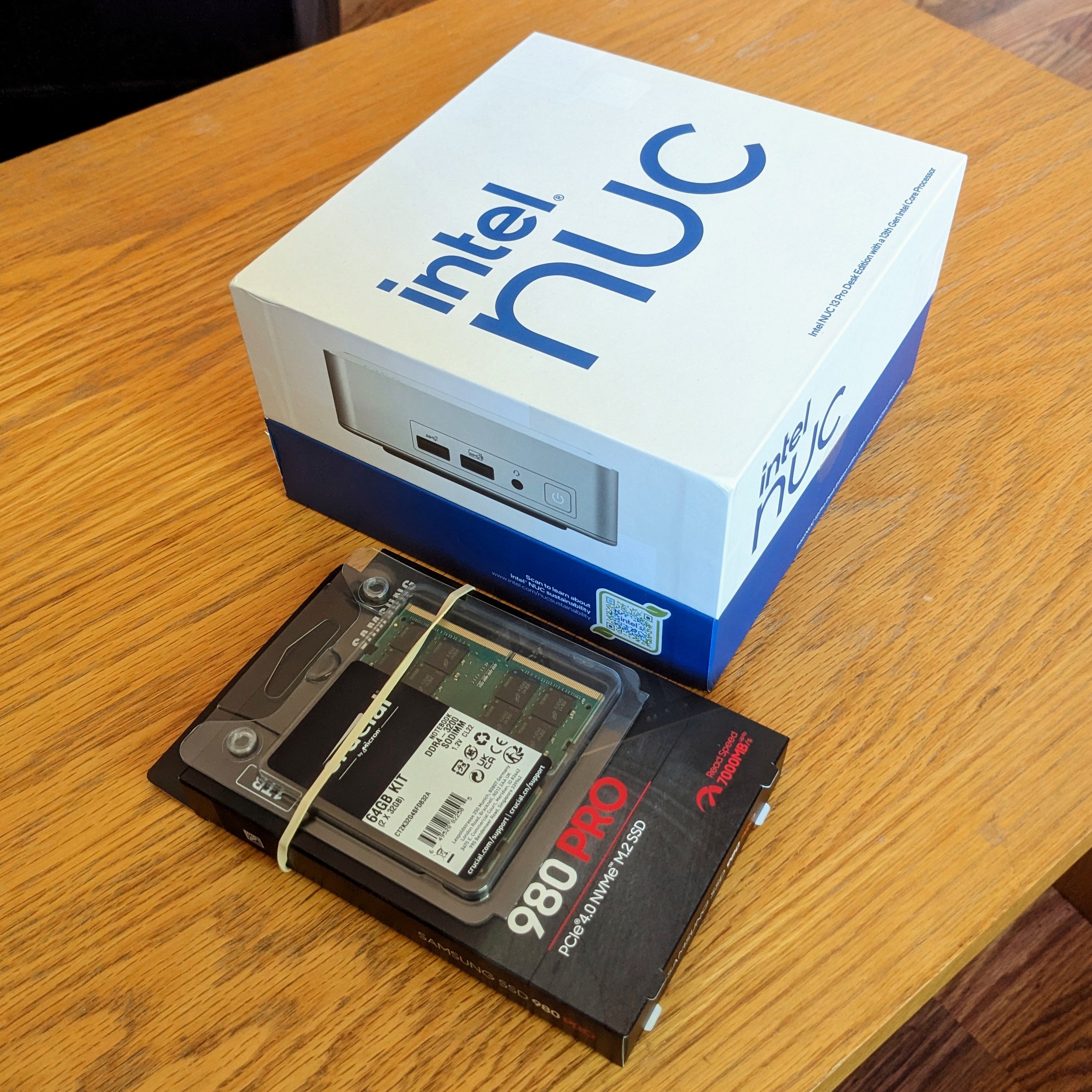
For developers and OEMs, this means a return to familiar territory with some trade-offs. DDR4 support lowers the barrier to entry for high-end laptops, but it also means sacrificing the bandwidth and efficiency gains of DDR5. The lack of low-power E-cores adds to the thermal challenge, requiring careful power management in thin-and-light designs. Yet, for gaming laptops where raw performance is paramount, this iteration delivers without the need for a complete redesign.
The implications are clear: Raptor Lake Next HX will cater to enthusiasts and gamers who prioritize performance over efficiency, while Intel quietly prepares Arrow Lake for the next leap forward. The question remains whether DDR4 will remain a viable option long enough for OEMs to justify its use—or if Arrow Lake’s arrival will render it obsolete sooner than expected.