Intel’s Raptor Lake Refresh has arrived with a significant performance leap for its mobile H-series chips, but it also brings a notable absence that could reshape how IT teams approach fleet management.
The 24-core HX variant, which had been absent from Intel’s mobile roadmap for several generations, makes its comeback in this refresh cycle. It achieves a peak single-core clock speed of 6.8 GHz—an increase from the previous generation’s 5.8 GHz—and introduces deeper cache hierarchies with 50 MB of L3 cache, up from 42 MB. The chip also maintains support for DDR5-5600 memory, ensuring compatibility with high-bandwidth workloads.
However, one of the most significant changes is the removal of vPro support—a move that eliminates out-of-band management capabilities and advanced security features like hardware-based attestation and remote wipe. For IT teams accustomed to centralized control over enterprise devices, this represents a fundamental shift in how they manage performance-critical laptops.
The thermal design also undergoes adjustments. While the TDP increases slightly from 115W to 125W, Intel claims improved power efficiency that could mitigate heat concerns in some chassis. Yet, without vPro, admins lose access to features that are critical for maintaining security and control over large-scale deployments.
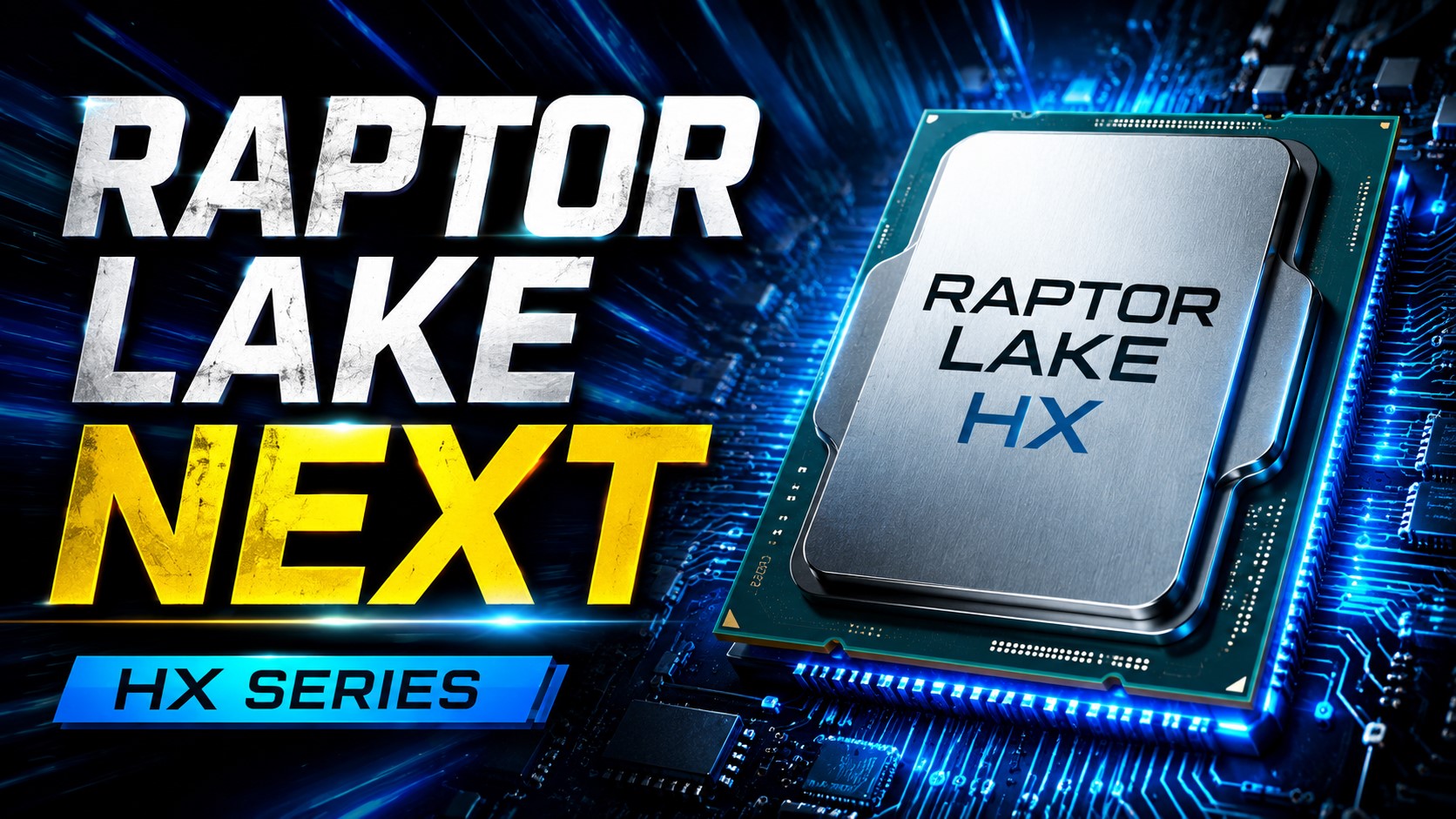
For teams where raw performance is the top priority, the Raptor Lake Refresh offers compelling advantages. The increased core count, higher clock speeds, and larger cache provide a clear edge in benchmark results, particularly for single-threaded workloads. However, those relying on vPro will need to evaluate alternative solutions, whether through software-based management tools or additional hardware investments.
Uncertainty remains about the long-term implications of this change. Intel has not indicated whether vPro support will return in future generations, leaving IT teams to question whether they should adapt their current strategies or wait for potential reversals down the line.
The refresh is expected to hit the market with pricing and availability details in late 2026, with production likely ramping up in early 2027. Teams will need to carefully weigh the performance benefits against the loss of vPro before committing to new designs or upgrades.