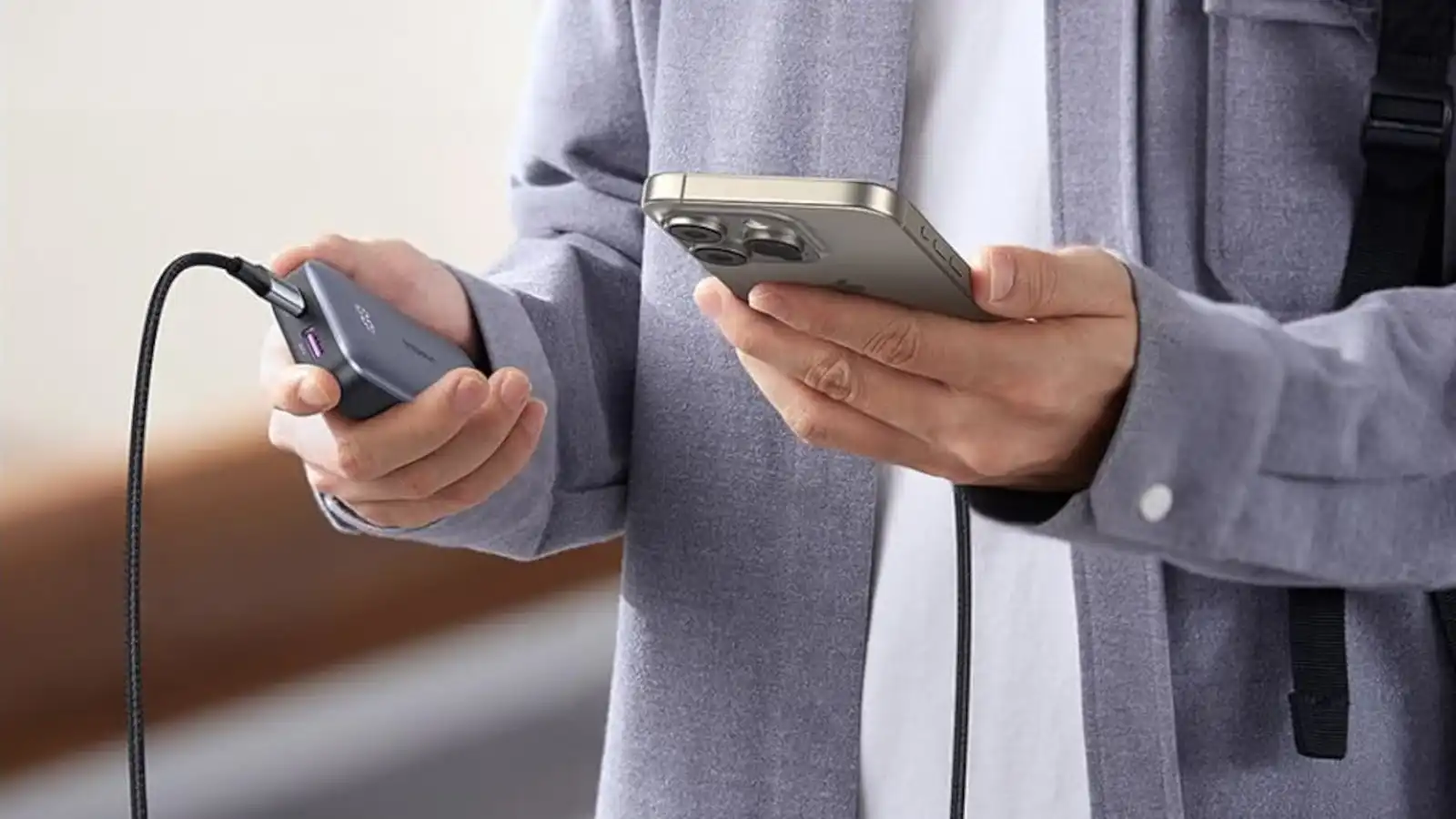
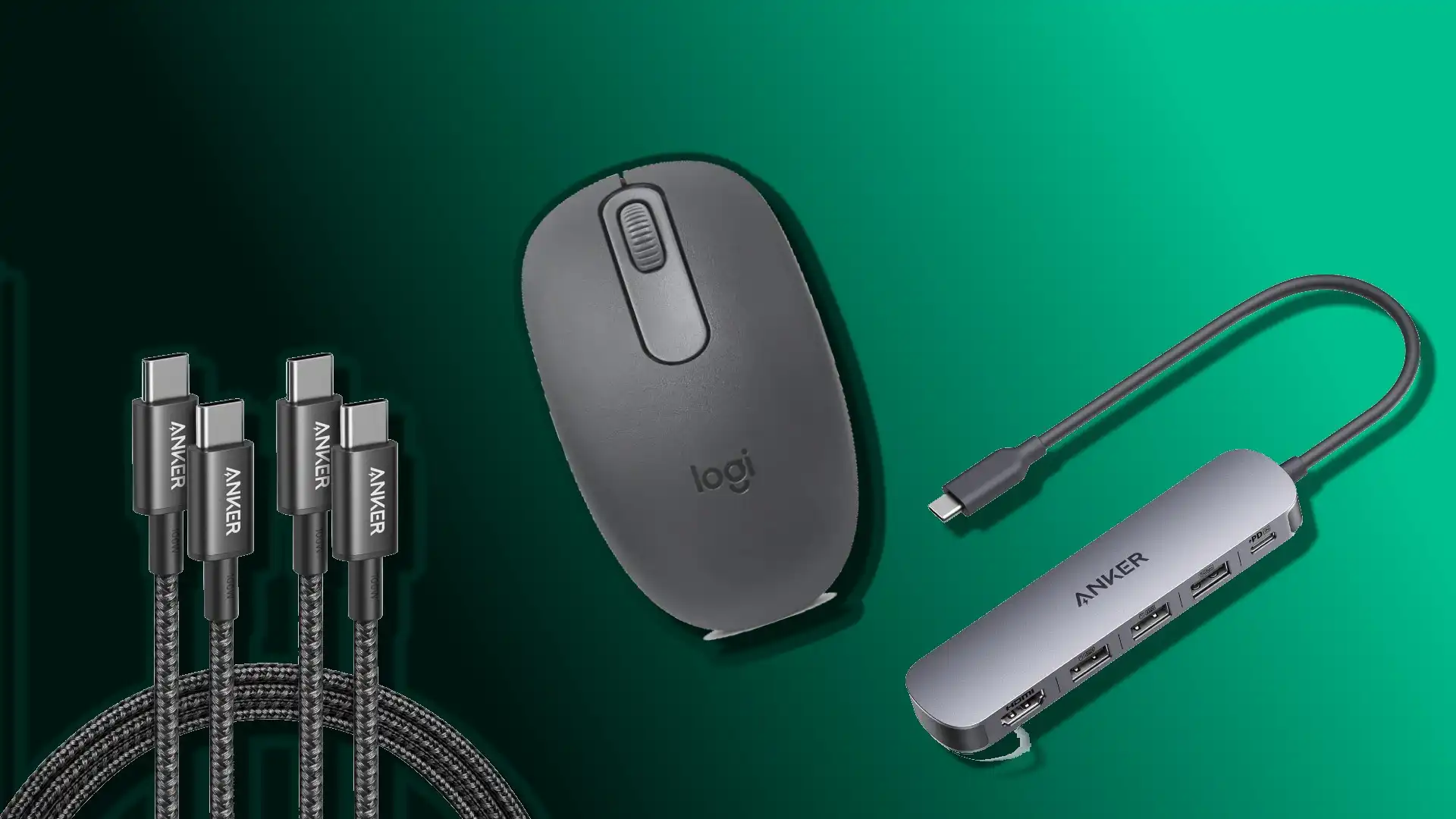
USB-C cables capable of delivering 100 watts of power have traditionally been a niche product, commanding premium prices that reflected both their engineering complexity and the need for robust materials to handle sustained high-power loads. Anker’s latest offering—a dual-pack of 100W USB-C Power Delivery cables priced at $10—disrupts this dynamic by delivering performance previously reserved for cables costing three or four times as much.
This shift is particularly significant in a market where 100W cables have historically been scarce below the $25 mark, often leaving consumers to choose between cost and reliability. Anker’s cables, compliant with USB Power Delivery 3.0, support up to 100 watts of power at configurations like 5 volts/20 amps or 9 volts/11.1 amps, along with data transfer speeds of 10 Gbps via USB 3.2 Gen 2. These capabilities were once the domain of much pricier options but are now accessible without compromise.
Performance meets affordability
The technical specifications alone make this a standout product. Unlike many budget cables that prioritize price over durability, Anker’s design includes a 45° plug angle for better alignment and longevity, reducing wear on both the cable and connected devices. Additionally, the inclusion of UL and CE certifications ensures that safety and reliability are not sacrificed for cost savings—a common concern in the third-party cable market.

- USB Power Delivery 3.0 compliant (100W max)
- 45° plug design for improved durability
- Supports USB 3.2 Gen 2 data transfer (10 Gbps)
- $10 price point for a dual-pack, far below industry averages
- UL and CE certified for safety and reliability
A market reset in progress
For users who rely on 100W charging—such as those with high-performance laptops like the MacBook Pro, Dell XPS, or ASUS ZenBook series—the $10 price tag removes a significant financial barrier. This could accelerate adoption among creators and power users who have long balanced cost against the need for fast, stable charging solutions. The implications extend beyond individual buyers; competitors may face pressure to adjust their pricing strategies if they want to retain market share.
While it’s unclear whether Anker’s $10 price point will be sustained indefinitely, the move sets a new benchmark for what consumers should expect when purchasing high-wattage USB-C cables. The focus shifts from justifying the cost to questioning why any cable in this category would need to charge more. If competitors fail to match this balance of performance and affordability without cutting corners, Anker may have successfully redefined an entire segment.
Looking ahead
The broader impact of this pricing strategy remains to be seen, but it signals a potential shift in how consumers view high-performance cables. If other manufacturers follow suit, the market could see a wave of more affordable 100W options, making them accessible to a much wider audience. However, sustainability will depend on whether competitors can replicate Anker’s balance of price and quality without compromising safety or durability. For now, this offering challenges the industry to rethink its approach to pricing and performance, setting a precedent that could ripple through the market for years to come.