Microsoft’s lifetime bundle for Office and Windows 11 Pro is forcing a reckoning on how businesses and individuals budget for productivity tools. The $34.97 price tag—unusually low for both products—removes the burden of annual renewals but shifts responsibility to Microsoft for maintaining value over time.
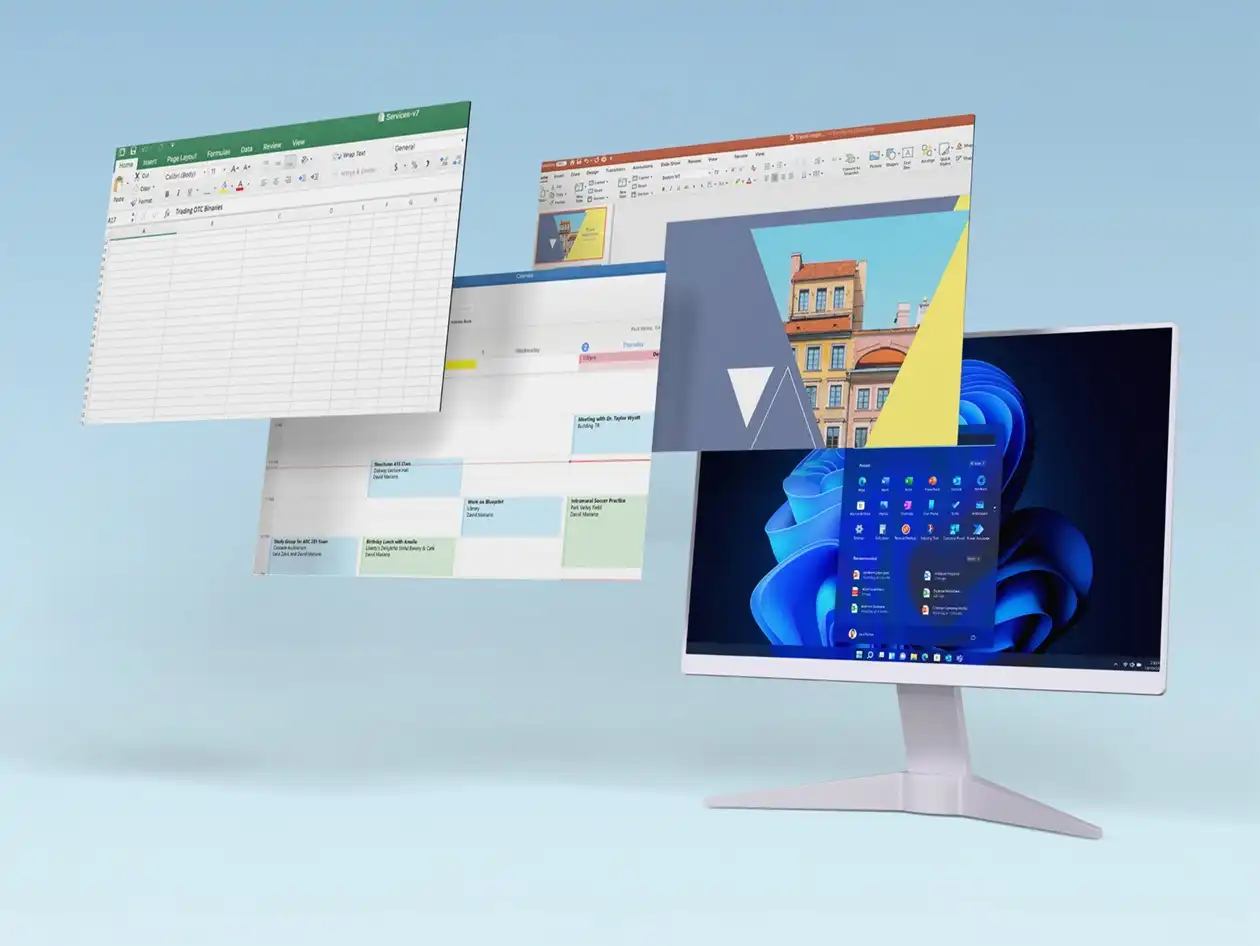
The bundle combines Microsoft 365 (including Word, Excel, PowerPoint, Outlook, OneNote, Publisher, and Access) with Windows 11 Pro, which brings advanced features such as Hyper-V, WSL 2, and domain join support. This package is designed to appeal to users who prefer upfront costs over subscription cycles, though Microsoft retains the ability to update or modify either product without user input.
Traditionally, Office and Windows licenses have been sold separately—either as perpetual purchases with occasional updates or through annual subscriptions that require ongoing payments. The lifetime model disrupts both approaches, offering a middle ground that could attract organizations seeking stability but may frustrate those expecting continuous innovation. For businesses, this means evaluating whether long-term savings outweigh the risk of compatibility issues if Microsoft introduces major updates.
Competition is also factoring into Microsoft’s strategy. Google has strengthened its cloud productivity tools, while Apple’s seamless integration between macOS and iPadOS has drawn users away from Windows-centric workflows. By bundling Office with Windows 11 Pro, Microsoft is reinforcing its core platform as a unified solution, potentially countering the appeal of subscription-free alternatives.
The bundle’s availability during a limited-time promotion adds urgency, but its long-term viability remains uncertain. If Microsoft succeeds in transitioning users to one-time purchases while still generating revenue through other means—such as enterprise services or cloud integrations—the model could redefine software licensing. Failure to balance cost savings with sustained value, however, risks alienating users who expect regular updates, leaving the future of this approach in question.