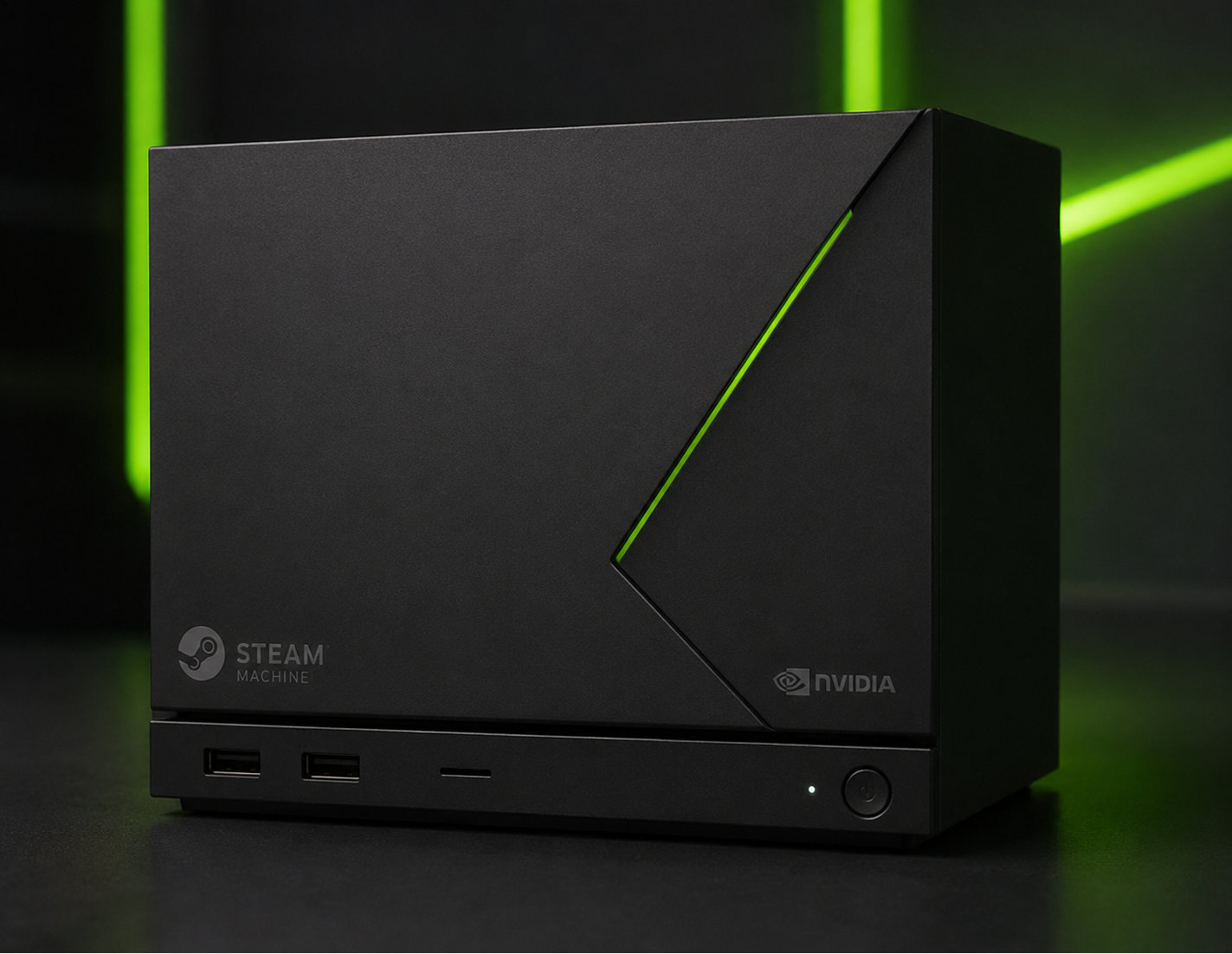
A gaming workstation setup reveals traces of an engine that hasn’t been officially announced—one that could redefine how games are built and deployed. The HLX engine, if it materializes, would mark a significant shift for Valve, addressing long-standing performance bottlenecks and hardware demands.
At a glance
- The HLX engine is reportedly in development for Half-Life 3, with evidence found in Source 2 files.
- Valve has not confirmed the project’s status since its initial announcement in 2019.
- Speculation about a Steam Machine revival persists, but no concrete timeline exists.
- The engine could set new standards for game development and cross-platform deployment.
In 2019, Valve announced Half-Life 3 with promises of a new HLX engine designed to handle next-generation gaming demands. Since then, the project has been shrouded in secrecy, leaving developers and IT teams wondering whether this is just another tease or the beginning of something substantial.
The recent leak suggests that development is indeed underway, but details remain scarce. The HLX engine, if it materializes, would represent a significant shift—not just for Valve’s pipeline but for how games interact with hardware. It could address long-standing concerns about performance bottlenecks, modularity, and even cross-platform deployment.

However, the lack of official confirmation raises questions about its viability. The Steam Machine initiative, which aimed to bring gaming to living room devices, was quietly discontinued in 2015. If HLX is tied to a similar vision, its chances of success would hinge on Valve’s ability to secure hardware partnerships and developer buy-in—both of which remain uncertain.
For IT teams, the bigger picture involves supply chain and availability. If HLX becomes a reality, it could demand new infrastructure investments, from high-performance GPUs to specialized storage solutions. But without clear guidance on when—or if—this engine will see the light of day, planning remains speculative at best.
The most critical change this leak represents is the potential for Valve to redefine game development itself. If HLX delivers on its promises, it could set a new standard for how games are built and deployed. But until then, the project remains a tantalizing possibility—one that IT teams would be wise to monitor without holding their breath.