Apple is poised to enter the augmented reality market with a pair of glasses that promise high-end performance, but not without trade-offs. At the core of the system lies a custom silicon chip optimized for spatial computing, delivering 4K resolution per eye at a 120 Hz refresh rate. This setup ensures smooth visuals for both productivity and entertainment, but it comes with challenges.
The device features a 5-core GPU paired with a neural engine designed for tasks like object recognition and real-time rendering. However, the combination of these advanced components generates significant heat, necessitating active cooling solutions that could impact battery life. Estimates suggest the battery, rated at 3,800 mAh, will last between 4 to 6 hours under mixed workloads, pushing users toward shorter sessions unless Apple can improve efficiency.
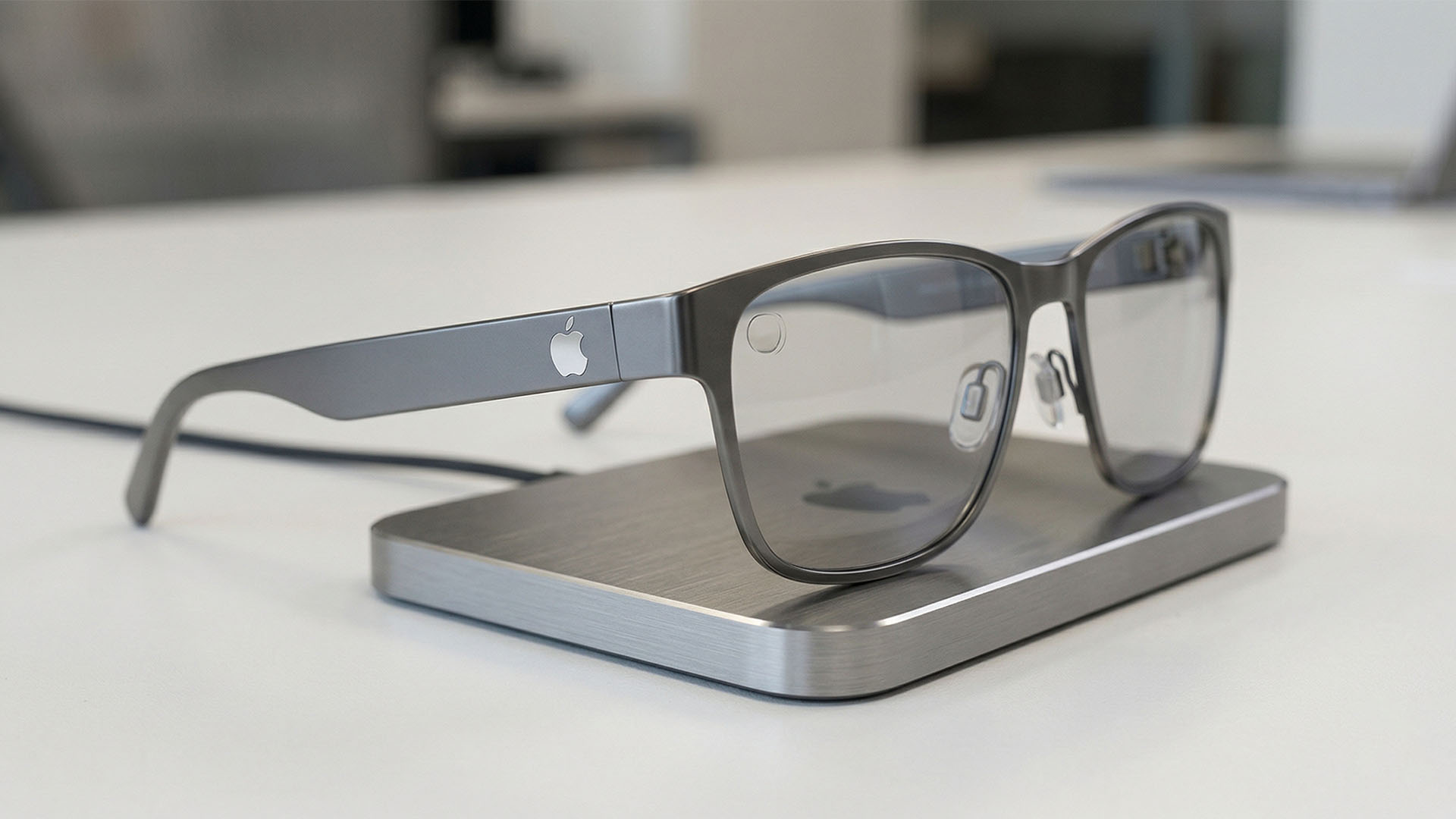
Connectivity is robust, with support for 5G, Bluetooth 5.3, and Wi-Fi 6E, but the real question remains whether Apple can mitigate thermal throttling without sacrificing performance. Early indications point to a premium product priced around $2,999, targeting professionals in fields like design or engineering rather than casual users.
For those who prioritize raw power over endurance, the glasses could become a staple in high-demand industries. However, for everyday wear, the trade-off between performance and battery life may prove frustrating. Apple's track record of refining hardware suggests that improvements are likely, but the current specifications hint at a device that is more about pushing boundaries than convenience.
The challenge now is whether Apple can bridge this gap without alienating users who expect their wearables to keep up with daily demands. If successful, it could set a new standard for AR glasses—one where performance doesn't come at the expense of practicality.