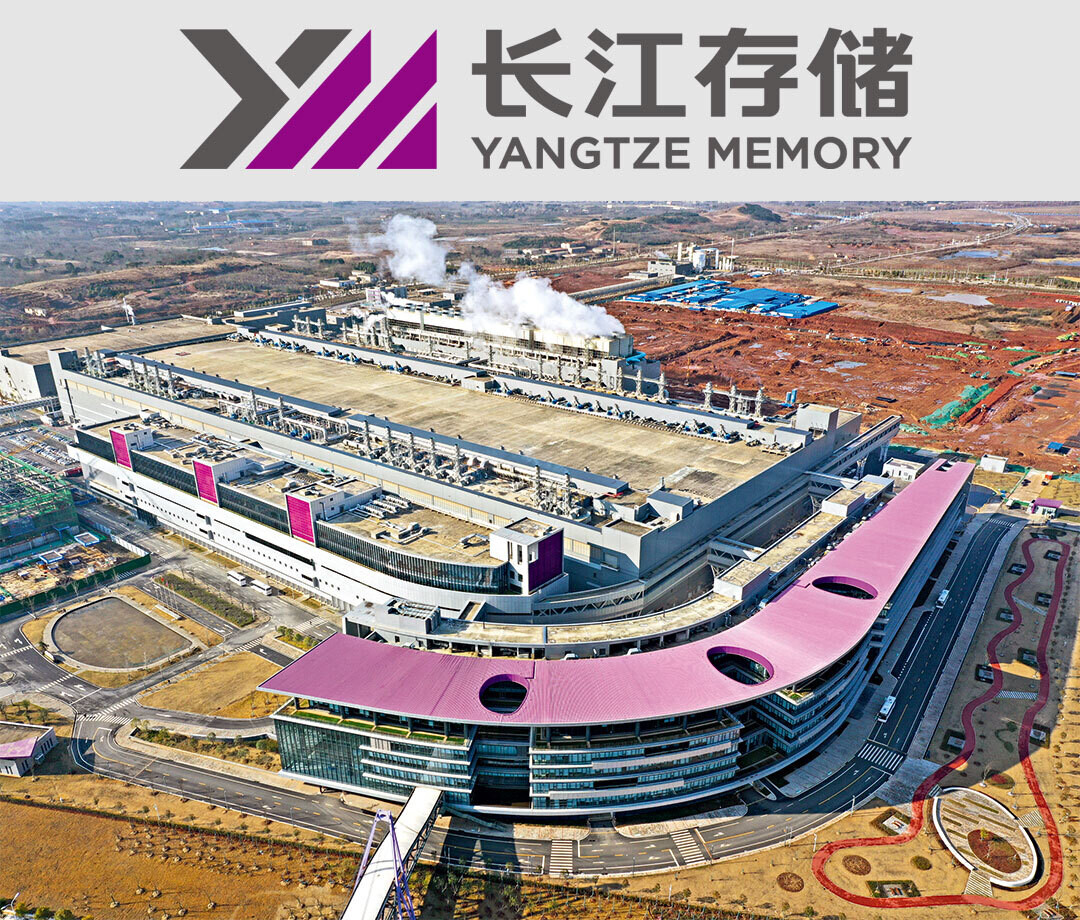
YMTC’s manufacturing footprint is about to change dramatically. Three new fabs—two in the planning stages, one already nearing completion—will push monthly output from 200,000 wafers to over 400,000 once fully operational. The Wuhan plant, the first of these, is currently being equipped and could start production later this year, with full capacity expected by 2027.
The expansion comes at a pivotal moment for the company. Over half of its new equipment has been sourced domestically, reflecting a shift forced by U.S. trade restrictions that placed YMTC on the Entity List in late 2022. However, recent reports suggest those restrictions may have been lifted, opening a window—but also introducing fresh uncertainty about how deeply it can integrate with global supply chains.
While the focus remains on NAND, there are signs of diversification. The new plants will allocate some capacity to DRAM production, a move that could reshape YMTC’s market position if its LPDDR samples, expected to be shared with clients by year-end, prove competitive. Currently, YMTC holds 11.8% of the global NAND market, trailing only Samsung (30.4%) and close to SK Hynix (16%), Kioxia (15.9%), and Micron (13.3%). Analysts project its share could grow to 14% by early 2027.
Yet, the road ahead is not without challenges. The two additional fabs lack confirmed locations or target dates, leaving their impact on the market speculative. Meanwhile, YMTC’s Xtacking 4.0 architecture is positioned as a direct competitor to industry leaders, but whether it can sustain that edge remains an open question.
For creators and manufacturers, this expansion could mean more stable supply chains—but only if the company can navigate the trade tensions that have shaped its recent trajectory. The stakes are high: a successful push into DRAM could solidify YMTC’s role as a major player, while missteps could leave it struggling to keep pace in an already crowded market.