In the evolving landscape of GPU manufacturing, NVIDIA faces a critical tradeoff: pushing hardware to new performance thresholds while managing escalating warranty costs. This year's surge in expenses—1000% higher than 2024—signals a shift that IT teams must navigate carefully.
The RTX 50-series GPUs, with their increased power demands and the introduction of 12VHPWR connectors, have driven this financial strain. NVIDIA's warranty expenditure in 2025 reached $894 million, up from just $81 million the previous year. This stark contrast is not merely a reflection of higher hardware prices but also points to a broader trend: increased failure rates, particularly in premium models like the RTX 5070 and RX 9070 XT.
While NVIDIA dominates the discrete GPU market with a reported 94% share, the financial burden of warranty claims is becoming harder to ignore. The company's claim rate climbed to 0.9% by the end of 2025, compared to 0.17% at the start of the year. This shift has forced NVIDIA to bolster its warranty reserves significantly, from $416 million in 2024 to $2.59 billion by year's end.
Key specs for the affected models include
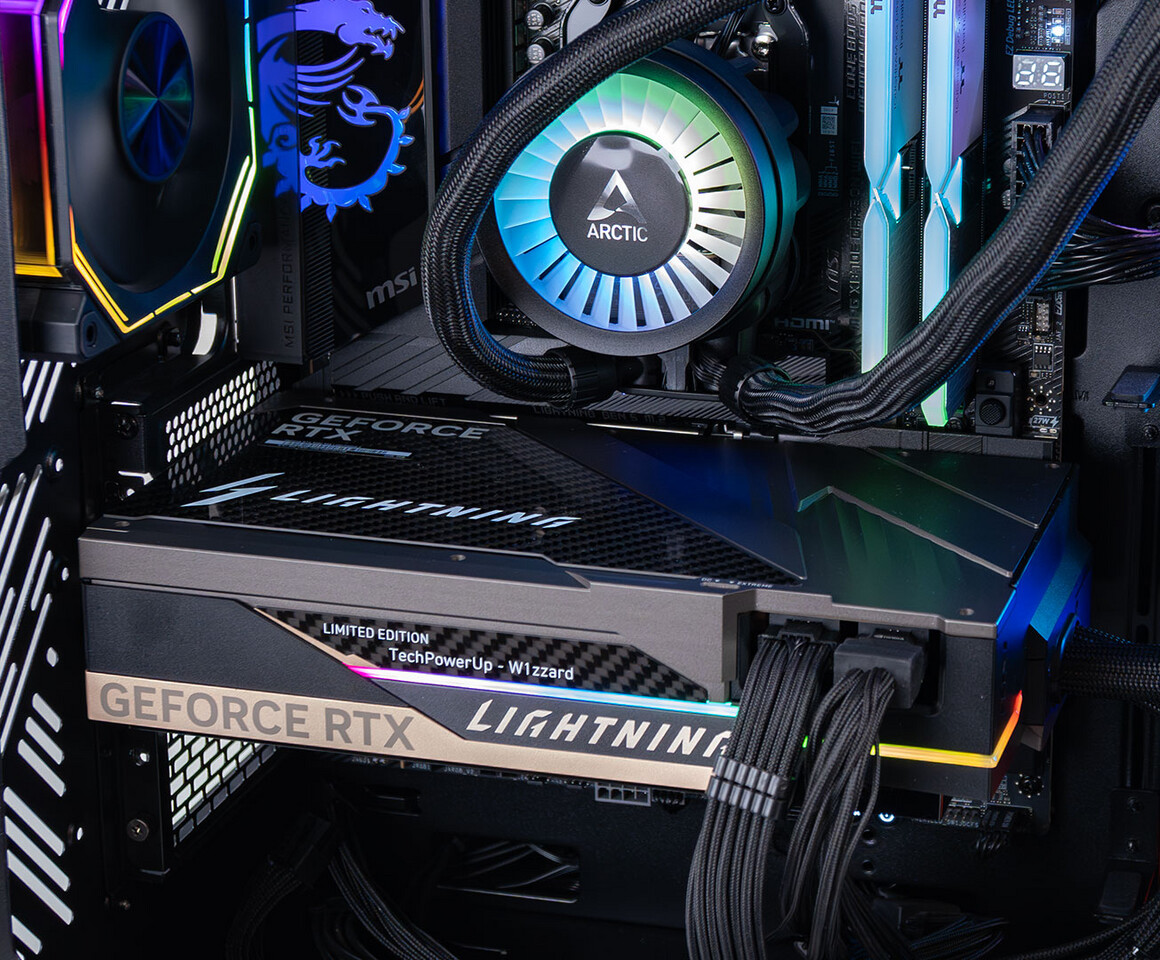
- Model: RTX 5070
- Model: RTX 5060
- Model: RTX 5090
- Model: RX 9070 XT
- Memory: 16 GB (varies by model)
These figures highlight the operational cost implications for IT teams, particularly those managing high-performance workstations or AI-driven infrastructure. The surge in warranty expenses suggests a need for closer scrutiny of power delivery systems and thermal management, areas where NVIDIA has historically pushed boundaries.
A reality check emerges when considering the broader ecosystem. While NVIDIA's dominance is undeniable, competitors like AMD also face similar challenges, albeit on a smaller scale. AMD's warranty claims rose by over 100% in 2025, with expenses reaching $238 million from $110 million in 2024. This parallel trend underscores the industry-wide pressure to balance innovation with reliability.
The strategic move for NVIDIA—whether driven by market demand or internal roadmap pressures—carries long-term implications. For IT teams, this translates into higher operational costs and a need for robust failure mitigation strategies. The question remains: can NVIDIA sustain this trajectory without compromising on performance or price points?
In plain terms, the single most important change is the 1000% increase in warranty expenses, a figure that demands attention from both manufacturers and end-users alike.