In the ever-evolving world of technology, few components are as critical—and as volatile—as memory chips. Once a steady market, it has now become a battleground, with data centers gearing up to claim a staggering 70% share of high-end production by 2026. This isn’t just another market trend; it’s a tectonic shift that promises to reshape the tech landscape in profound ways.
The driving force behind this change is artificial intelligence. AI’s insatiable appetite for computational power has sent demand for high-performance memory soaring, far outpacing what consumers and traditional computing can absorb. The result? A market where data centers are the primary beneficiaries, while everyday users grapple with skyrocketing prices and dwindling supply.
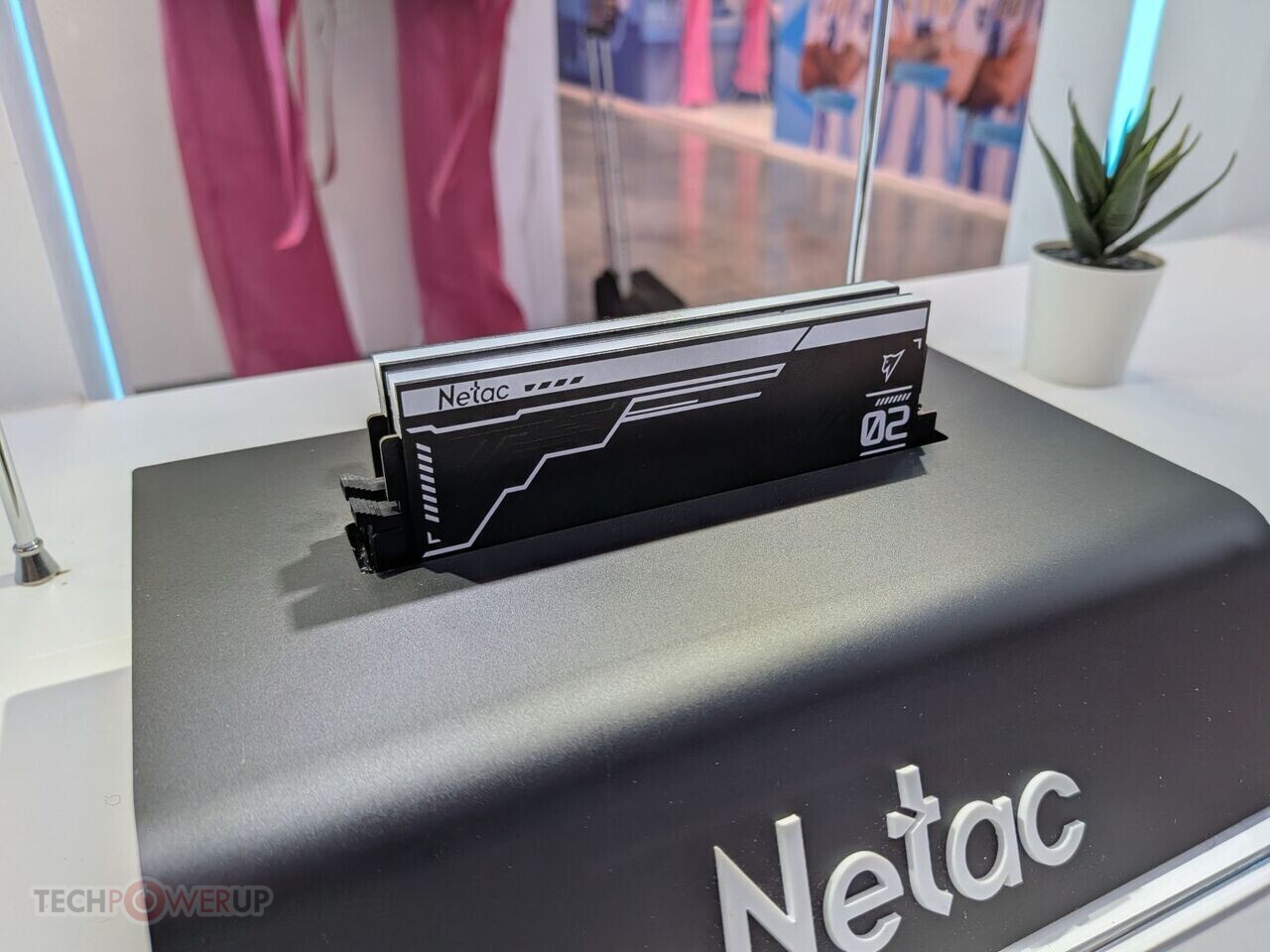
For years, memory chips have been a cornerstone of technological progress, powering everything from smartphones to supercomputers. But the rules are changing. By 2026, the majority of high-end memory—chips with speeds like DDR5-8400 and HBM3—will be earmarked for data centers, leaving consumers scrambling for alternatives. This isn’t just about cost; it’s about access to the latest advancements in computing.
Consider the numbers: DDR5 memory, once a premium but accessible upgrade, now costs nearly twice what it did just two years ago. Prices have climbed from around $100 for 32GB kits to over $200 today, with no signs of stabilization. Meanwhile, HBM stacks—critical for AI acceleration—are seeing even more dramatic increases, pushing the boundaries of affordability for non-enterprise users.
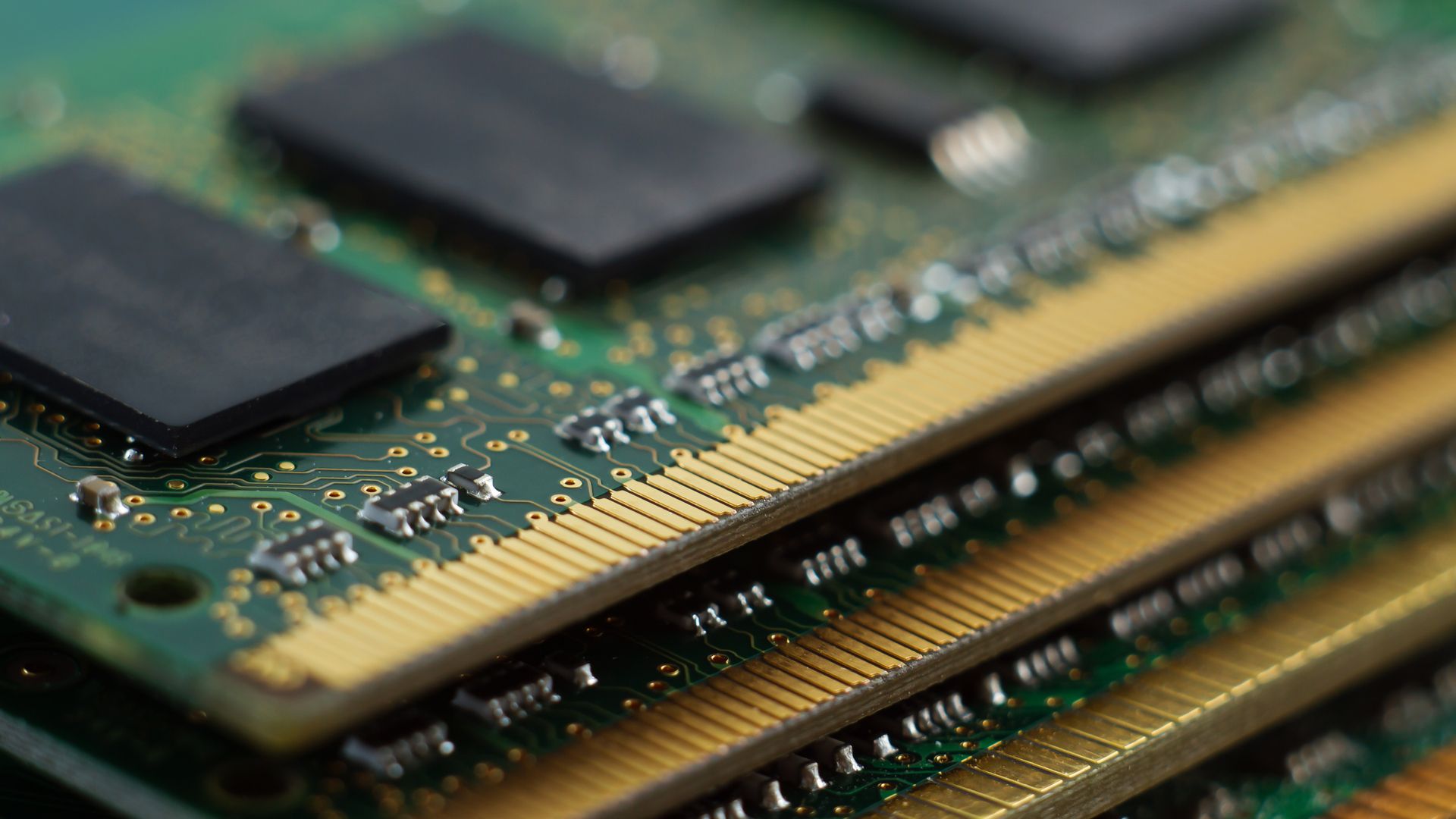
The implications are far-reaching. For data centers, this means faster, more efficient AI training and inference, fueling innovations in machine learning and big data analytics. But for consumers, it’s a different story. The promise of high-speed gaming, content creation, and multitasking is being outpaced by the realities of supply constraints and price hikes. Enthusiasts building next-gen PCs are now faced with tough choices: do they prioritize raw performance or value? And how long will it take for the market to catch up?
This isn’t just a temporary blip; it’s a fundamental rebalancing of the memory market. The AI boom has created an insatiable demand that traditional segments—like gaming and consumer laptops—are ill-equipped to meet. As a result, we’re seeing a two-tiered system emerge: one for data centers, where cutting-edge memory is the norm, and another for consumers, where compromise becomes inevitable.
But what does this mean for the future? Will AI continue to dominate the memory market, leaving consumers in its wake? Or will innovation find a way to bridge this gap, ensuring that advancements aren’t just reserved for the elite few? The answer may lie in how manufacturers and policymakers respond to this shift. For now, though, the writing is on the wall: the great memory divide has arrived, and it’s here to stay.