The EmuDeck device arrives as an unexpected twist in the handheld computing arms race. It doesn’t just promise more performance than Valve’s Steam Deck—it reimagines what a handheld can be by swapping Windows smoothness for Linux flexibility. Whether that gamble pays off depends on how well it balances power, compatibility, and real-world usability.
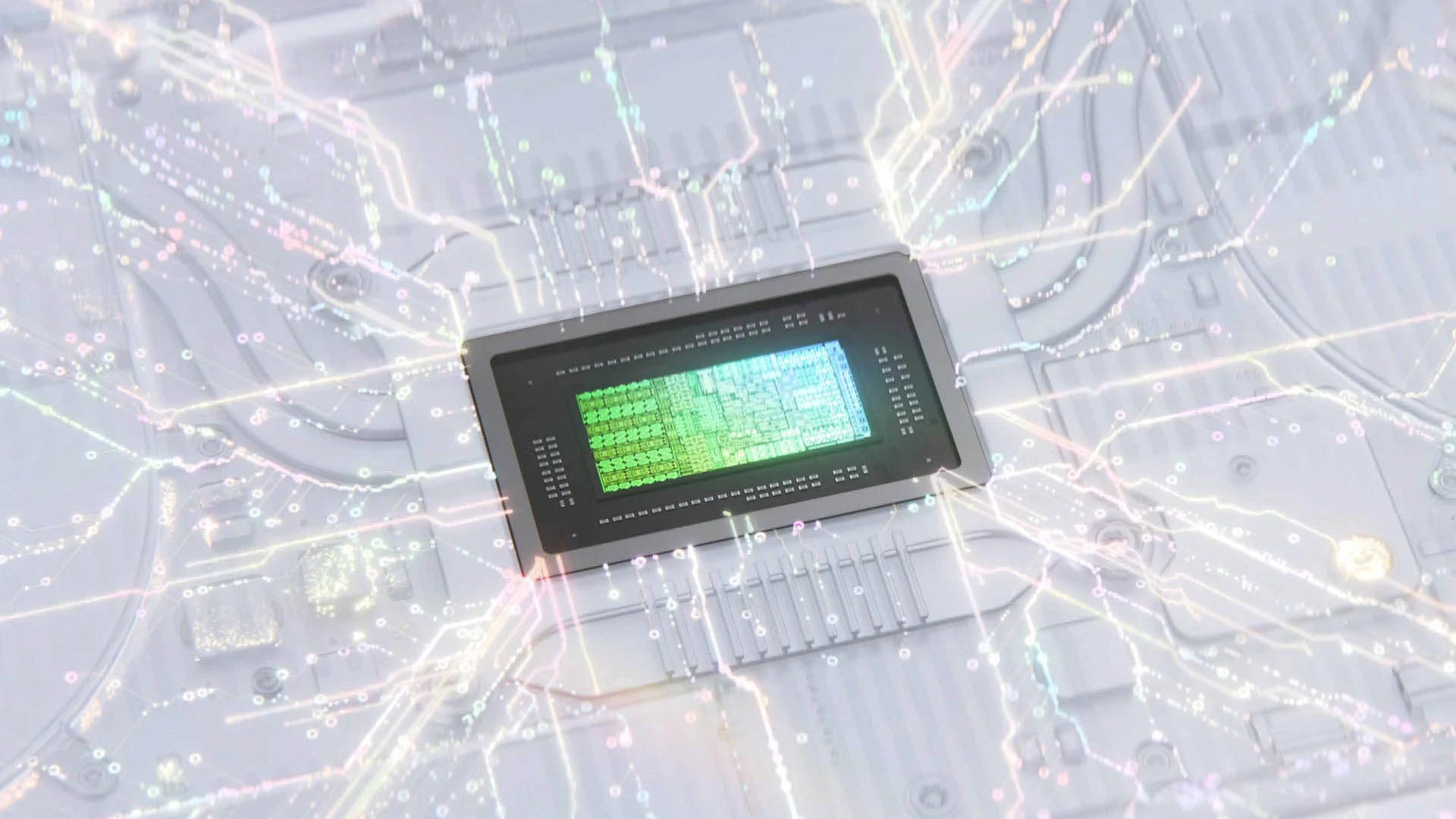
At its core, the device is built around an AMD Ryzen 5 processor paired with an RX 9060 XT GPU—components that outclass Valve’s Steam Deck while maintaining the familiar Xbox Series S form factor. But where it diverges sharply is in software: instead of relying on a Windows-based experience, EmuDeck runs on a custom Linux foundation. This choice opens doors for deep system-level customization but also introduces new questions about game compatibility and long-term stability.
Specs That Outperform—But at What Cost?
- CPU: AMD Ryzen 5 (exact model pending confirmation)
- GPU: AMD Radeon RX 9060 XT
- RAM: 16 GB LPDDR5
- Storage: 1 TB NVMe SSD (expandable)
- Display: 7-inch 120 Hz LCD, 1440p resolution
- Ports/Connectivity: USB-C, HDMI, Bluetooth 5.2, Wi-Fi 6E
The hardware specs are undeniably strong—16 GB of fast LPDDR5 RAM and a high-resolution 7-inch display with a 120 Hz refresh rate, all in a package under 300 grams. But the real test will be whether Linux can deliver consistent performance for AAA titles without falling into the traps that have plagued previous handheld experiments.
Linux as the Deciding Factor
Unlike Valve’s Steam Deck, which prioritizes out-of-the-box usability with a Windows-like interface, EmuDeck leans into Linux’s potential for customization. This approach could appeal to developers and power users who need deeper system control, but it also means software support may not be as seamless. For IT teams evaluating this device, the biggest uncertainty is whether the Linux ecosystem can mature quickly enough to justify its premium over Valve’s more polished alternative.
If EmuDeck succeeds in stabilizing its software stack without sacrificing performance, it could carve out a niche for those who demand both raw power and flexibility. But if compatibility issues persist, it risks becoming another expensive experiment in the crowded handheld market. For now, the device remains a compelling but unproven option—one that will either redefine portable gaming or fade into obscurity alongside other ambitious but flawed hardware experiments.