Microsoft has quietly introduced a deal that could reshape how businesses and individuals approach Office purchases. For $16.97, users can acquire a one-time license for Microsoft Office Home & Business, which includes Word, Excel, and PowerPoint—effectively replacing the need for a recurring annual subscription costing up to $100.
This deal is notable not just for its price but for what it represents: a shift in how Microsoft positions its software. Traditionally, Office has been a subscription-based ecosystem, with users locked into auto-renewal cycles. This one-time purchase option introduces an alternative path, particularly appealing to those who prefer predictable costs and avoid the hassle of annual renewals.
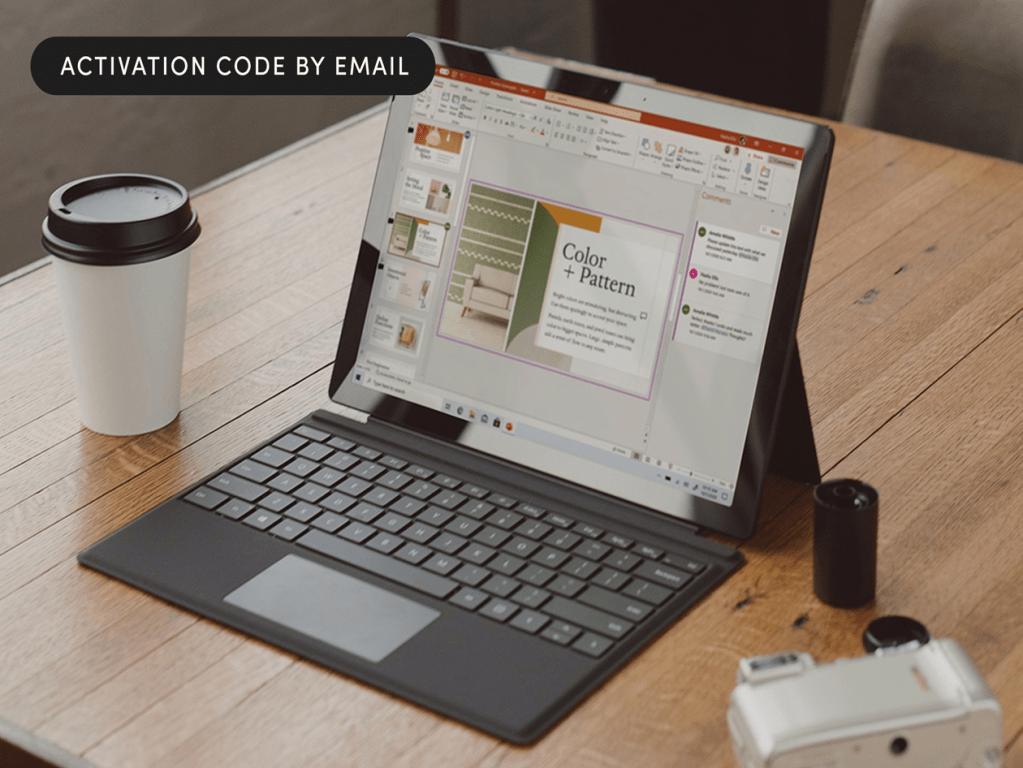
The $16.97 license grants access to perpetual versions of Word, Excel, and PowerPoint for Windows PCs only. It does not include cloud services like OneDrive storage or subscription-based features such as Office 365's advanced collaboration tools. However, it serves as a standalone solution for core productivity needs without the ongoing financial commitment.
For enterprise buyers, this deal could be a strategic move to attract small businesses or individuals who want to avoid the complexities of subscription management while still needing robust office software. It also raises questions about Microsoft's broader strategy—whether this is an experiment in offering more flexible purchasing options or a long-term pivot away from subscription dominance.
What’s Included and What’s Not
- Perpetual licenses for Word, Excel, and PowerPoint (Windows only).
- No auto-renewal or subscription fees after the initial purchase.
- Limited to one-time activation on a single PC.
The deal does not extend to macOS versions of Office, nor does it include access to Microsoft 365 cloud services. This means users relying on mobile apps, real-time collaboration, or advanced security features tied to subscriptions will still need separate solutions.
Market Implications
This offer could influence the broader software market, where subscription models have become the norm. For enterprises evaluating their Office strategies, this deal introduces a viable alternative for cost-sensitive users who prioritize simplicity and long-term ownership over cloud integration or frequent updates.
The timing of this deal is also worth noting. As businesses reassess spending priorities, Microsoft’s move to offer a one-time purchase option could resonate with those looking for stability in uncertain economic conditions. Whether this becomes a permanent fixture in Microsoft’s product lineup remains an open question, but it signals a potential shift in how software is sold and consumed.
What’s Next?
The deal is currently available without a stated expiration date, though such offers typically have limited durations. For now, users can take advantage of this option while Microsoft observes market reaction. If successful, this could prompt further innovation in one-time purchase models across other software categories.