Small businesses are facing a double cost squeeze: while Apple tightens its grip on affordable productivity tools, Microsoft has quietly raised prices on Surface laptops—often without clear explanations for buyers. The timing is sharp, coming at a moment when budget-conscious teams are already recalibrating their hardware investments.
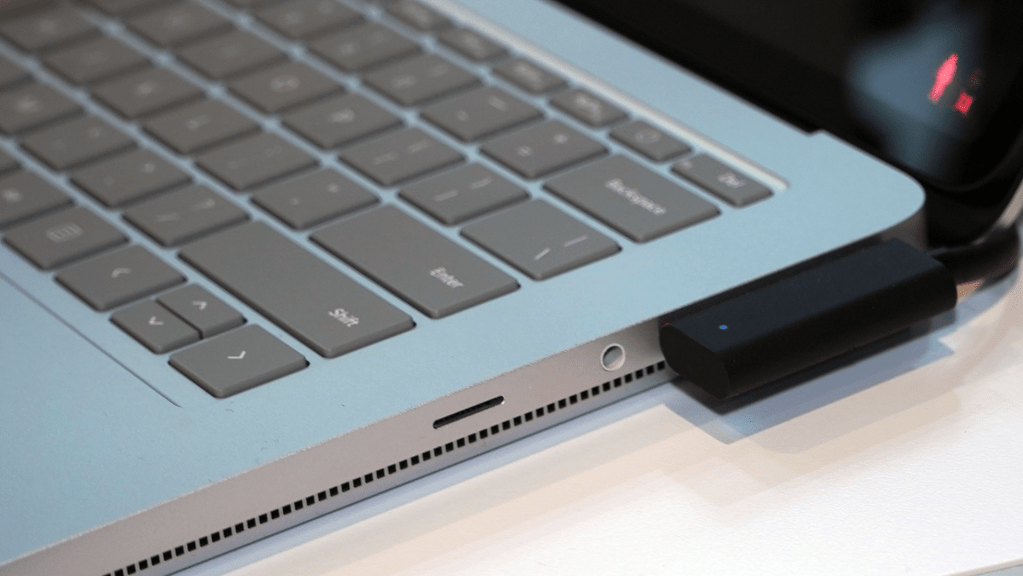
The latest Surface Pro 11, for example, now starts at $999—a jump that echoes across the Surface lineup. For small operations where every dollar counts, this isn’t just a sticker-shock moment; it’s a signal that the race to efficiency may be outpacing the race to affordability.
Why the price shift matters
The increase is part of a broader trend: Microsoft is rebalancing its hardware strategy after years of aggressive discounting and bundling. The company is now positioning Surface devices as premium productivity platforms, with features like faster processors, longer battery life, and tighter integration with Windows 11. But for small businesses, the question isn’t just about specs—it’s about whether those gains justify the price leap.
- Surface Pro 11: starting at $999 (up from $899)
- Surface Laptop 5: starting at $1,099 (up from $999)
- Surface Laptop Studio: starting at $1,699 (up from $1,599)
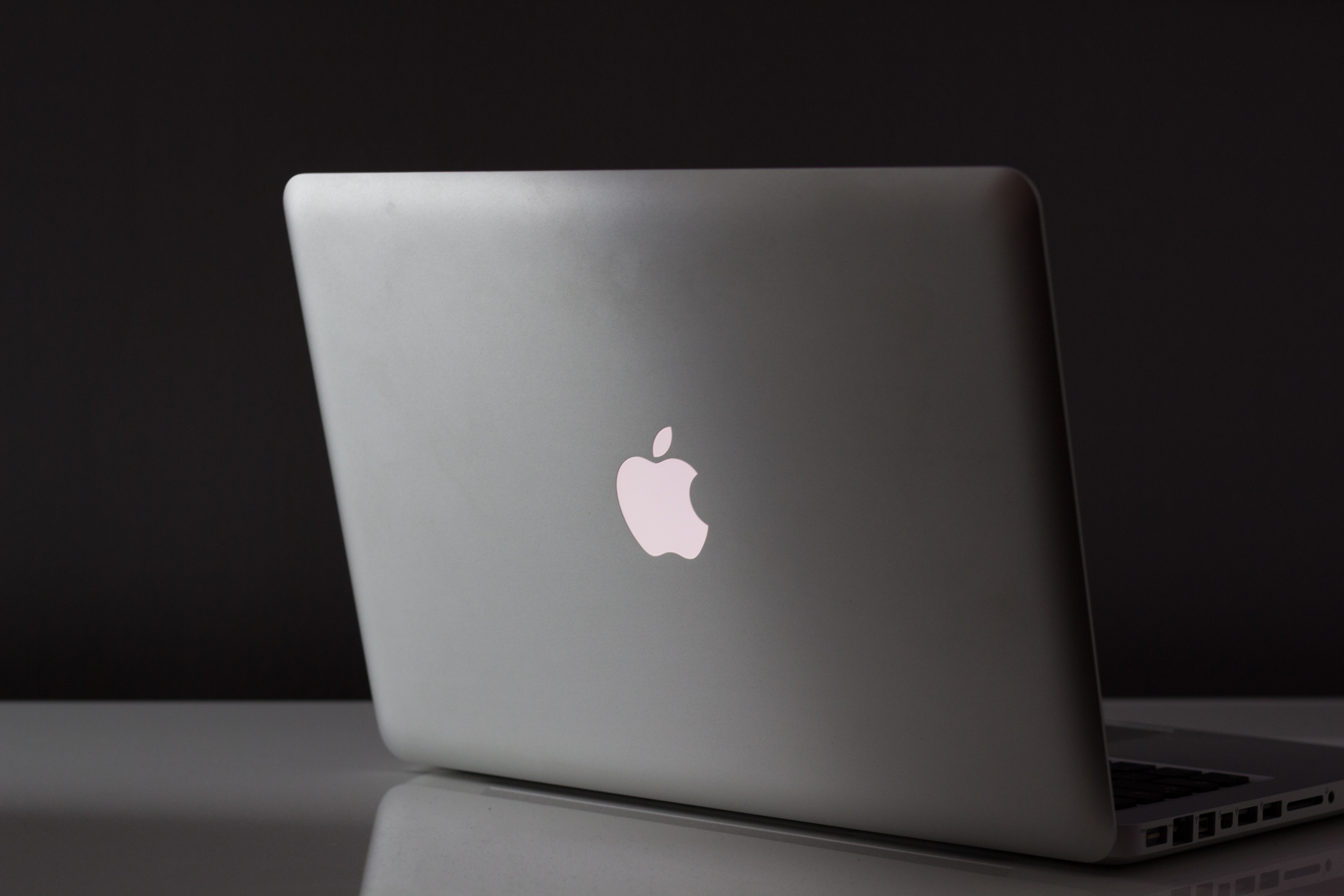
The hikes come as Apple continues to lower the bar for entry-level productivity. The MacBook Air, now starting under $1,000 with M2 chips, offers a direct challenge in performance and portability—leaving Microsoft’s traditional enterprise customers with a harder choice.
A reality check on efficiency
Microsoft insists the new prices reflect real innovation: faster processors, improved thermal management, and deeper AI integration. But for small teams that rely on Surface devices for collaboration or fieldwork, the trade-off isn’t always clear-cut. Battery life gains, for instance, are incremental compared to Apple’s recent improvements—yet the price difference is anything but.
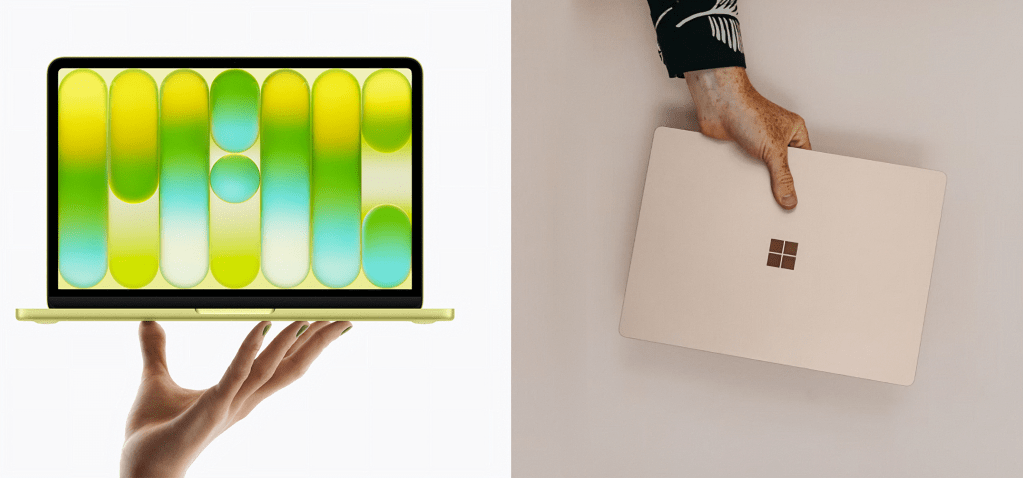
Where Microsoft may have an edge is in ecosystem lock-in: businesses already invested in Office 365 or Azure see Surface as a natural extension of their workflow. But that loyalty isn’t enough to soften the budget pinch when competitors are cutting costs elsewhere.
The small-business dilemma
Teams with tight IT budgets now face a fork: do they stick with older Surface models, risking compatibility or performance? Or do they bite the bullet and upgrade—only to find themselves priced out of future upgrades if Microsoft continues this trend?
The answer depends on how long the price increases last. If this is a one-time adjustment tied to component costs, businesses may weather it. But if it signals a permanent shift toward premium pricing, the cost of efficiency could start to outweigh its benefits.
For now, the market reaction is cautious. Analysts note that Microsoft’s enterprise contracts often shield smaller customers from sticker-shock, but those protections aren’t universal. Meanwhile, Apple’s momentum in affordable productivity shows no signs of slowing—leaving small businesses caught between two very different visions of cost and capability.
Where things stand: Microsoft is betting on premium positioning, but the budget crunch for small teams is far from resolved. The next few quarters will reveal whether that gamble pays off—or leaves buyers looking elsewhere for efficiency on a tight leash.