In the realm of military and emergency response training simulations, the line between treatment and combat is becoming increasingly blurred. A newly released medic training guide for Pragmata’s simulation environment shifts focus from traditional first aid protocols to a more dynamic, high-stakes scenario where medics must also assess and engage threats—effectively turning medical personnel into hybrid operators.
This approach reflects evolving operational realities, where frontline responders may face situations requiring split-second decisions that balance patient care with threat mitigation. The guide does not replace established medical training but instead layers tactical awareness onto existing skill sets, creating a more immersive and operationally relevant experience.
Where the Guide Expands Expectations
The guide introduces several key features designed to test adaptability in chaotic environments. Medics are now required to prioritize actions based on real-time threat levels, using enemy targeting data to inform their decisions. This includes identifying hostile movements, assessing potential risks, and even simulating countermeasures—such as non-lethal takedowns or defensive positioning—without compromising patient stability.
- Threat-aware triage: Medics must evaluate both patient conditions and environmental dangers simultaneously, with the system dynamically adjusting scenario difficulty based on performance.
- Integrated enemy AI: Simulated adversaries exhibit behavior patterns that mimic real-world opponents, including evasive tactics, ambushes, and coordinated attacks, forcing medics to adapt their strategies mid-mission.
- Adaptive learning curves: The guide incorporates progressive challenges, starting with controlled scenarios before escalating to high-pressure, multi-target environments where errors have immediate consequences.
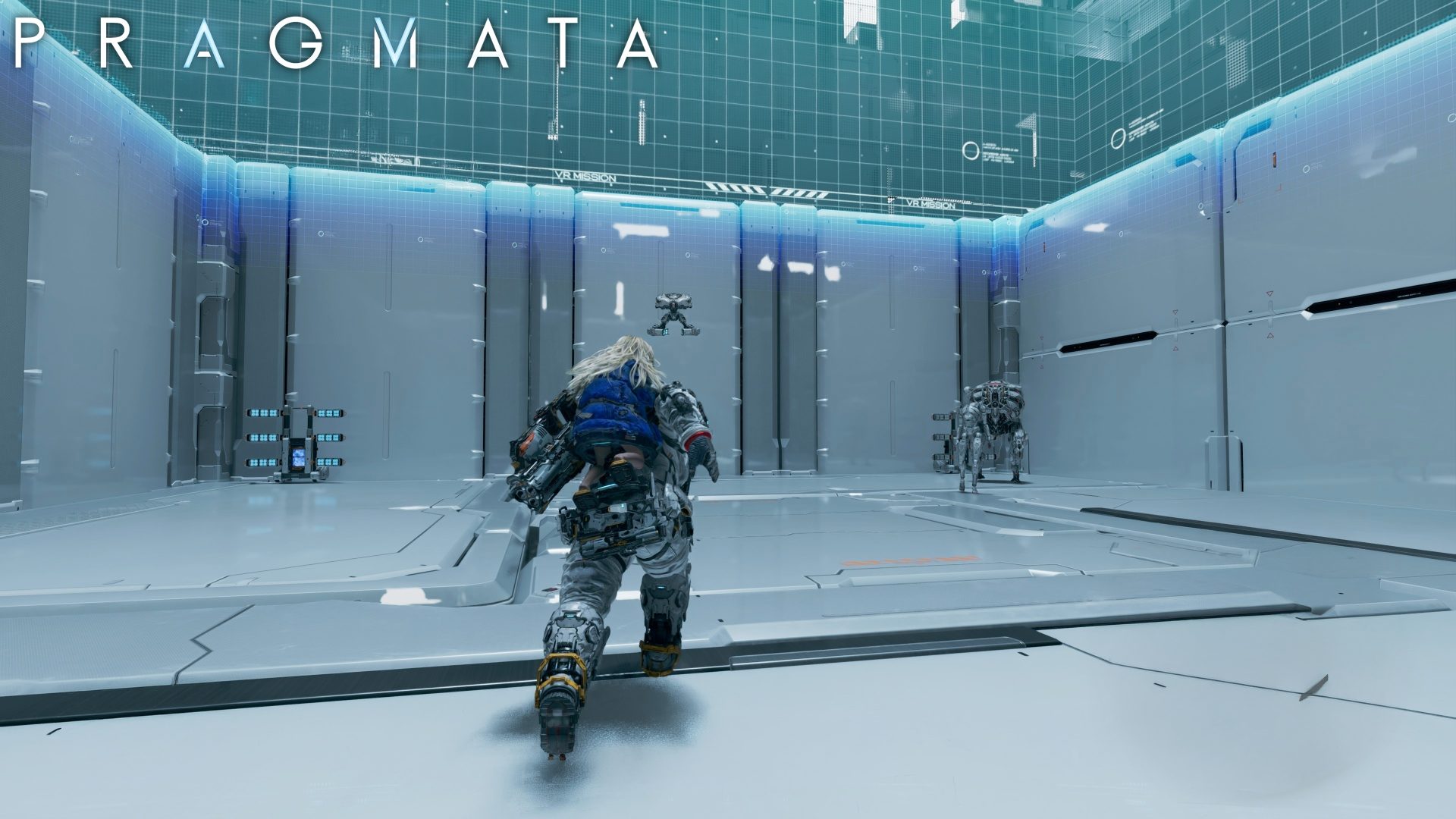
A practical example illustrates the shift clearly: in a scenario where a medic is treating a wounded ally while under fire, the simulation no longer treats enemy engagement as optional. Instead, it demands that medics use available cover, call for reinforcements, or even neutralize threats using non-lethal tools—all while maintaining patient care. This mirrors real-world scenarios where medical personnel in conflict zones must operate with situational awareness beyond traditional protocols.
Limitations and Operational Considerations
The guide’s advanced features come with inherent constraints that enterprise buyers should weigh carefully. While the threat-response mechanics add depth, they also introduce a steeper learning curve for teams accustomed to purely medical simulations. New users may find themselves overwhelmed by the dual focus on treatment and combat, requiring additional orientation time to achieve proficiency.
Additionally, the guide’s reliance on dynamic enemy AI means that scenario outcomes can vary significantly based on user input, which may not align with structured training objectives in some institutional settings. Organizations seeking repeatable, metrics-driven drills might find this less suitable than traditional simulation frameworks, though the added realism could justify the trade-off for units prioritizing operational adaptability.
Looking ahead, the guide’s full integration into Pragmata’s ecosystem will depend on how well it scales across different platforms and whether additional modules—such as team coordination or logistical planning—are introduced to further refine the hybrid training experience. For now, it stands as a notable evolution in simulation-based education, pushing the boundaries of what medics can be expected to handle in high-stakes environments.