People often assume that ephemeral messaging tools rely on servers to store content temporarily before deleting it. This creates a false sense of security, as even a brief server presence can leave vulnerabilities. However, the reality is more stringent: some services now ensure data never touches external infrastructure at all.
In this new model, notes are encrypted locally and vanish immediately after being opened—without ever leaving the sender’s or recipient’s device. There’s no app to install; it operates entirely within a browser tab that closes automatically once the content is viewed. This eliminates the need for accounts, sign-ups, or any long-term storage mechanism.
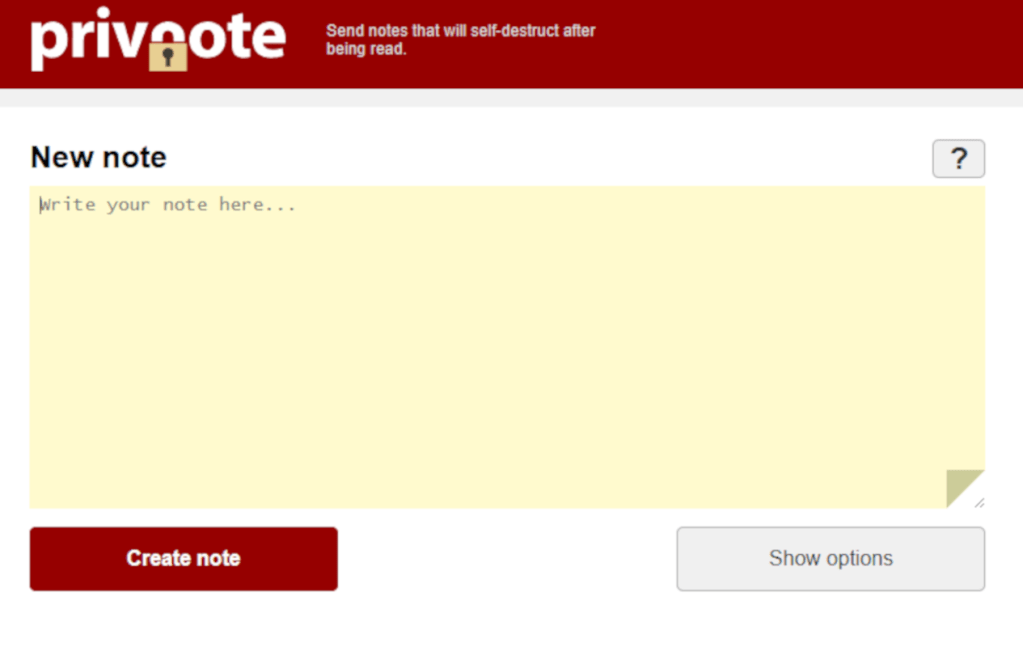
- Key differences:
- No server involvement means no backend logging risks, even if unintended.
- The link used to access a note becomes invalid after one use, preventing replay attacks.
- Large files may introduce minor delays before disappearance, but core security remains unaffected.
This approach isn’t meant for long-term collaboration or persistent communication. Instead, it targets scenarios where leaving even a transient digital footprint is undesirable—such as sharing sensitive credentials, internal feedback, or temporary documents in shared workspaces. Unlike password managers or secure chat apps, its strength lies in stateless exchanges: no history, no logs, just one-time visibility.
While the service avoids common pitfalls of similar tools, questions remain about scalability under heavy use and long-term trust. Since it relies on browser performance for rendering and timing, very large files could introduce slight delays before disappearance. However, the core security model—end-to-end encryption with no server storage—remains robust.
For users who prioritize minimal traceability over convenience, this represents a new standard: secure sharing without compromise. It’s not just about making content disappear; it’s about ensuring it never existed in the first place.