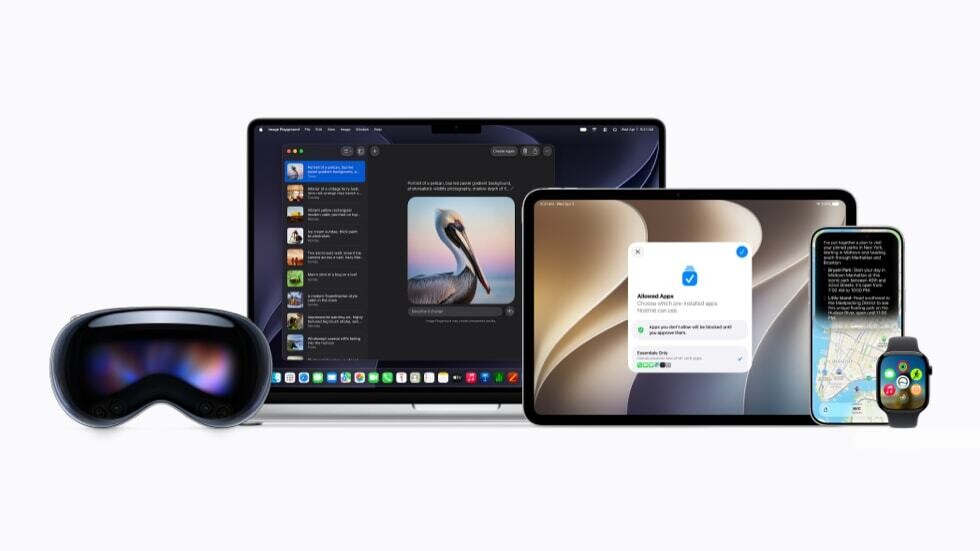
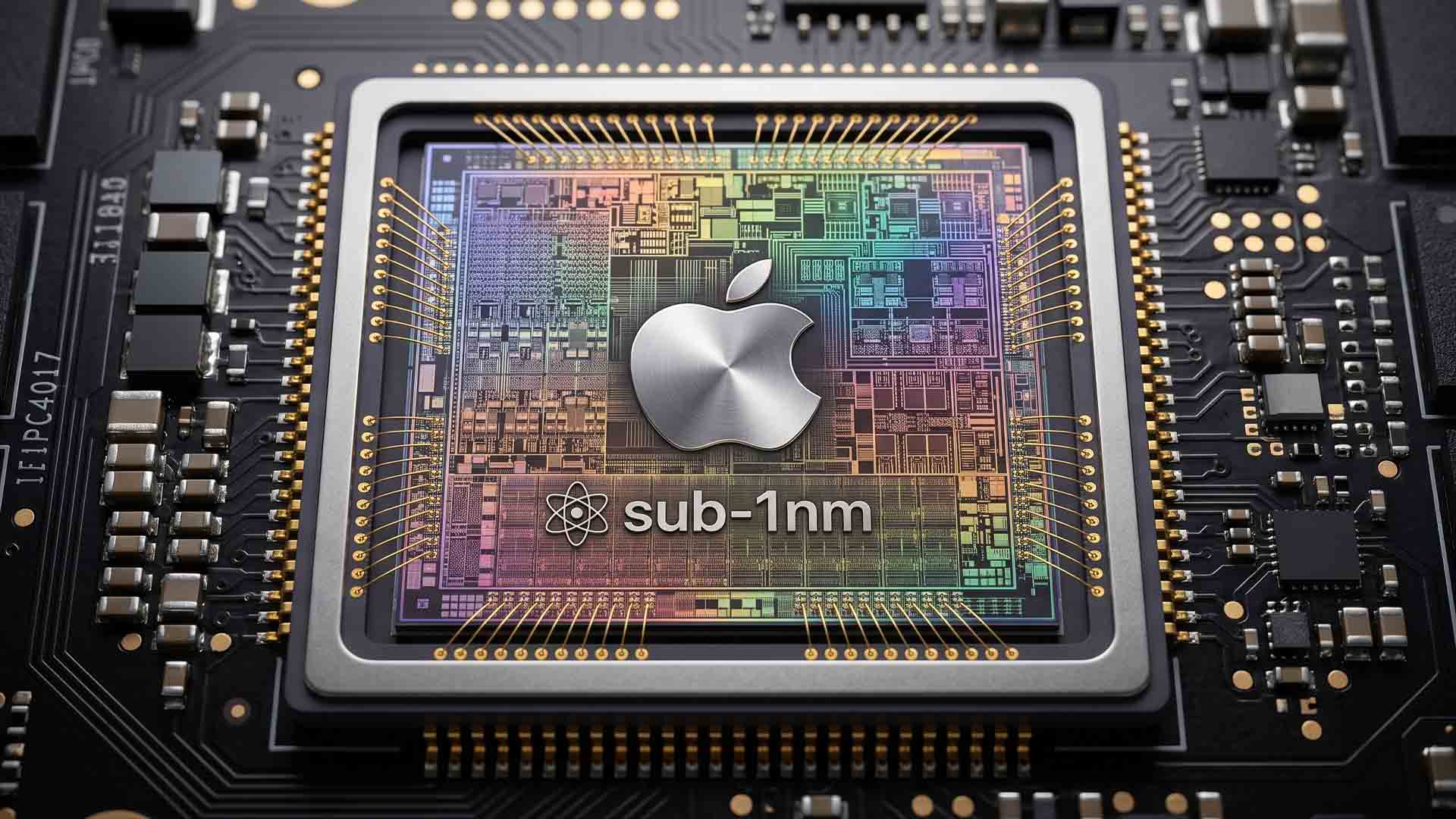
Apple’s next-generation chip design is poised to push the boundaries of what’s possible in semiconductor technology, with industry whispers suggesting a move toward sub-1 nanometer processes within the next few years. If realized, this would mark Apple’s first foray into ultra-fine manufacturing, setting a new standard for power efficiency and computational density.
The shift toward sub-1 nanometer fabrication isn’t just about smaller transistors—it’s about reimagining how chips handle heat, clock speeds, and battery life. For users, this could mean longer-lasting devices with faster processing, but the real question is whether Apple can pull off a process that’s still in its trial stages at leading foundries like TSMC.
What Sub-1 Nanometer Means for Apple’s Ecosystem
Sub-1 nanometer refers to transistor gates thinner than 1 nanometer, a threshold where quantum tunneling becomes a greater concern. TSMC has already begun trial production runs targeting this node, but mass adoption remains years away. For Apple, which has been a pioneer in chip efficiency—think of the A-series and M-series processors—the implications are significant.
- Performance: Sub-1 nanometer chips could deliver up to 30% more performance per watt compared to current 3nm designs, according to industry benchmarks.
- Power Efficiency: Reduced leakage current and improved thermal management could extend battery life by hours on high-end devices.
- Density: More transistors per square millimeter would enable larger cache sizes or more advanced AI cores without increasing die size.
However, the transition isn’t without challenges. Sub-1 nanometer fabrication requires new materials and lithography techniques that aren’t yet standardized. TSMC’s trial production in 2029 is a critical milestone, but whether Apple will be an early adopter or wait for proven stability remains uncertain.
A New Benchmark for Mobile Computing
If Apple succeeds, the impact on mobile computing could be profound. Current 3nm chips already offer impressive efficiency, but sub-1 nanometer would push the envelope further—enabling features like real-time ray tracing in handheld devices or more complex AI models running locally without thermal throttling.
The bigger picture is about ecosystem control. Apple’s custom silicon has always been a differentiator, allowing for tighter integration between hardware and software. Sub-1 nanometer chips would amplify this advantage, potentially giving Apple an edge in both performance and battery life over competitors relying on older node technologies.
For gamers and power users, the promise is clear: more performance without sacrificing battery life. But the reality may take longer to materialize than expected. While TSMC’s roadmap suggests trial production by 2029, widespread adoption could stretch beyond that, leaving consumers to wait for the next leap in mobile computing.