Intel’s foray into mass production of its 18A process node isn’t just about speed—it’s a gamble to save its PC business from collapsing under rising costs and supply constraints. The move comes as both Intel and AMD scramble to adjust, but the stakes couldn’t be higher: CPU prices have jumped nearly 15% in months, factories are running at capacity, and competitors are seizing every advantage.
At its core, 18A is about efficiency—a necessity as thermal design power (TDP) becomes a bottleneck for performance and battery life. Earlier attempts, like Intel’s 7nm Enhanced process, proved that smaller nodes could deliver faster clocks and lower power draw, but scaling those gains without sacrificing reliability or yield remains a Herculean task.
Why Efficiency Is the New Battlefield
For gamers and power users, 18A promises chips that push higher frame rates while staying cooler and sipping less power. But the real impact extends beyond raw performance: longer battery life on laptops, more stable overclocking, and fewer instances of thermal throttling—the plague of high-end CPUs in recent years.
However, the path to those gains is fraught with obstacles. Intel’s history with new nodes—particularly its struggles with 10nm and delays around 7nm Enhanced—suggests that 18A won’t be smooth sailing. The company must prove it can solve manufacturing challenges without repeating past mistakes.
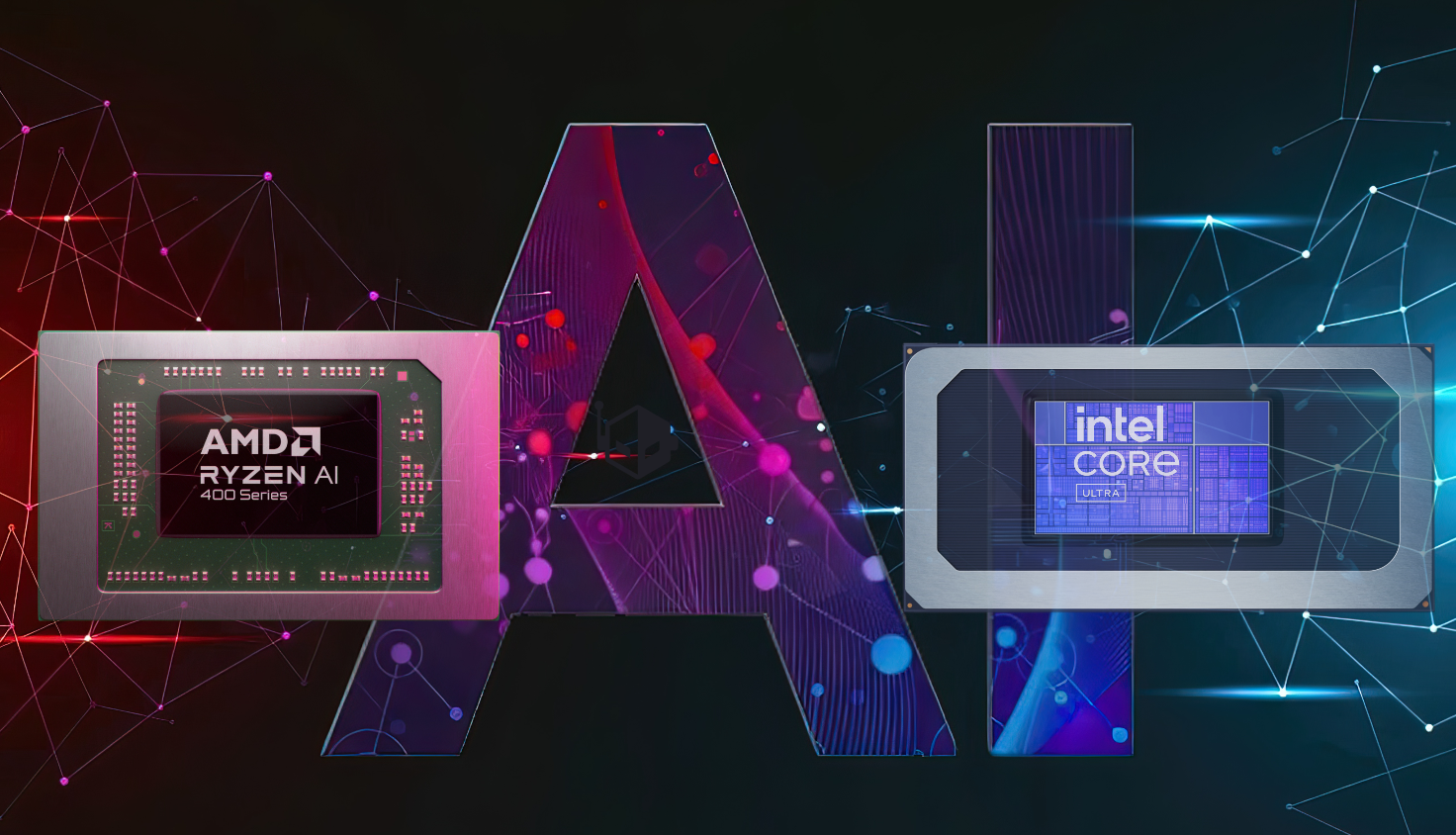
Key Specifications
- Process Node: 18A (Intel’s advanced 7nm-enhanced successor)
- Performance Target: Up to 20% higher clock speeds than 10nm SuperFin
- Power Efficiency: Up to 30% lower TDP compared to current 7nm Enhanced chips
- Manufacturing Timeline: Ramp-up expected late 2024, with full volume production aimed for 2025
The numbers on paper are promising, but execution is where Intel has repeatedly faltered. If it can’t stabilize its manufacturing process, 18A could become just another footnote in a long history of delays.
Who Wins and Who Loses?
A successful 18A node could restore Intel’s performance dominance, particularly in gaming and content creation, where clock speeds still matter. But the bigger picture is about market share—a battle AMD has been winning due to Intel’s missteps.
If Intel delivers on its promises, it could force a reset in the competition. However, cost pressures are already eroding consumer demand, and supply constraints mean even the best-designed chip won’t reach shelves if production can’t scale. The supply chain is a delicate ecosystem, and any disruption—whether from yield issues, equipment shortages, or geopolitical factors—could ripple through the industry.
For gamers, this means longer waits for new hardware, but also higher expectations when these chips finally arrive. The most critical unknown remains yield: whether Intel can solve the manufacturing challenges that have plagued its past nodes.
Intel is betting that 18A will break the cycle of delays and underperformance that has defined its recent years. Whether it succeeds will determine not just Intel’s future, but the trajectory of the entire PC market—one where efficiency, cost, and supply are as important as raw performance.