NVIDIA’s decision to revive the RTX 3060 with 12GB of GDDR6 memory marks an unusual step in its product roadmap, one that could reshape how data centers approach budget-tier GPU deployments. The announcement comes as the company balances legacy architecture revival against its push toward newer, more advanced designs.
- Memory and Bus Width: 12GB GDDR6 on a 192-bit interface
- Manufacturing Node: Samsung’s 8nm DUV process (same as original Ampere)
- CUDA Cores: 3,584 cores, matching the original RTX 3060
The reintroduction of the RTX 3060—nearly two generations behind current offerings—suggests practical constraints rather than a strategic misstep. Sources indicate NVIDIA is prioritizing this model over a planned 9GB variant of the RTX 5050, which would have used GDDR7 memory. The choice to revert to GDDR6 for the older architecture may reflect supply chain dynamics, where sourcing GDDR6 remains more straightforward than the newer, pricier GDDR7.
This isn’t an isolated move; it fits within a broader trend of NVIDIA managing its production pipeline carefully. The company has shifted its primary manufacturing to TSMC’s 5nm node for Ada Lovelace and Blackwell-based GPUs, leaving Samsung’s 8nm DUV line for legacy architectures like Ampere. That transition could explain why the RTX 3060 is being dusted off now: it avoids potential upfront costs of adapting an older design to a new node while still meeting demand in budget segments.
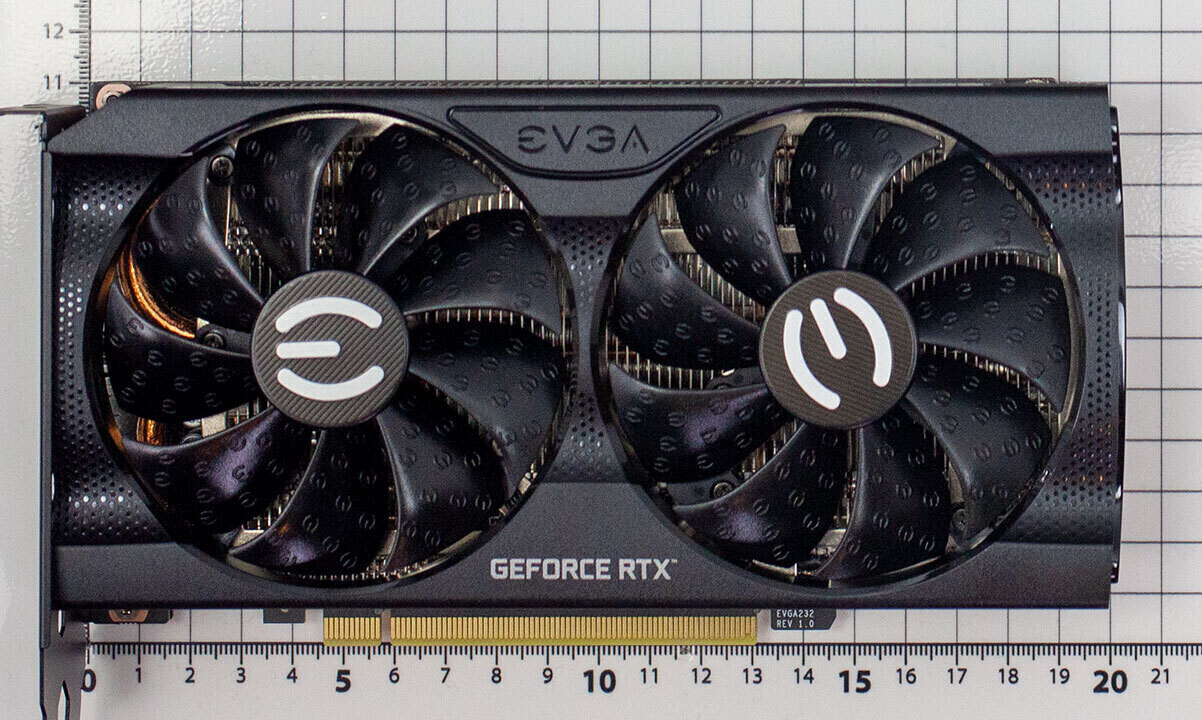
For IT teams, the practical implication is clear. The RTX 3060’s return offers a lower-cost entry point for workloads that don’t require the latest features, but it also raises questions about long-term support and performance scaling. Meanwhile, the pause on the RTX 5050’s 9GB variant suggests NVIDIA is recalibrating its mid-range lineup, likely to avoid cannibalizing higher-margin products while maintaining a presence in the sub-$300 tier.
The move also underscores a quiet but significant shift: NVIDIA’s largest customer status with TSMC has reshaped its production ecosystem. While Blackwell and Ada Lovelace GPUs dominate the 5nm node, older architectures like Ampere remain tied to Samsung’s 8nm line. That hard link between design and manufacturing node explains why reviving the RTX 3060 makes sense now—it’s a way to leverage existing tooling without incurring the costs of redesign.
What remains unconfirmed is whether this is a one-time adjustment or part of a larger strategy. NVIDIA has not ruled out future iterations, but for now, the focus appears to be on stabilizing its budget and mid-range offerings while pushing Blackwell and Rubin-based GPUs into higher-performance markets. For buyers, that means the RTX 3060’s return is more about filling a gap than signaling a new direction.