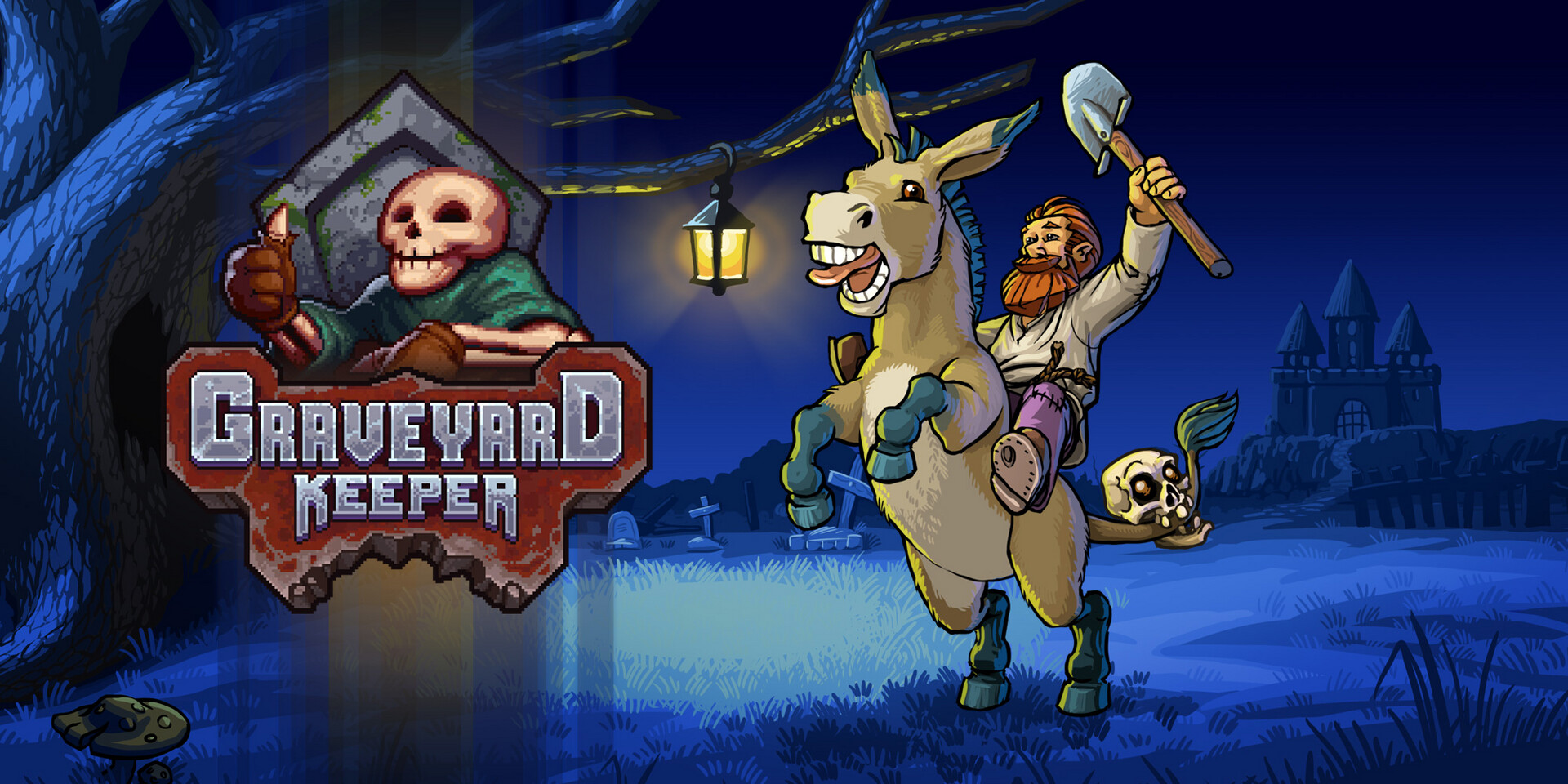
Steam’s ability to monetize free giveaways has been underscored by a recent four-day promotion for 'Graveyard Keeper,' which generated $250,000 in revenue and saw peak player counts surge to 46,000. This success highlights a stark contrast with Epic Games Store’s efforts, which have largely failed to attract gamers through similar promotions.
The indie game, developed by tinyBuild, experienced a dramatic increase in player engagement after being offered for free on April 9. The rush of new players also drove significant interest in the game’s DLC library and its upcoming sequel, 'Graveyard Keeper 2,' which has amassed over 450,000 wishlists on Steam.
Key Takeaways
- Revenue Spike: The free giveaway generated $250,000 in revenue, with much of it coming from new players purchasing DLC content.
- Player Count Surge: Peak concurrent daily players jumped from around 1,000 to over 46,000 during the promotion period.
- Sequel Interest: 'Graveyard Keeper 2' saw a significant increase in wishlists, rising from 9,817 to 21,035 followers on Steam Hub.
The success of this giveaway serves as a case study for how platforms like Steam can effectively convert free users into paying customers through compelling content and DLC offerings. Unlike Epic Games Store’s attempts, which have struggled to retain user interest post-promotion, Steam’s ecosystem appears better equipped to sustain long-term engagement.
Market Implications
This event reinforces the importance of a robust library of additional content, such as DLCs or expansions, in making free giveaways financially viable. For indie developers and publishers, it demonstrates that strategic promotions can not only drive immediate revenue but also build a strong foundation for future releases, such as sequels.
While no single strategy guarantees success, the performance of 'Graveyard Keeper' suggests that Steam’s model remains a powerful tool for both player acquisition and monetization. For Epic Games Store, this serves as a reminder of the challenges in replicating such effectiveness without a similarly strong ecosystem.