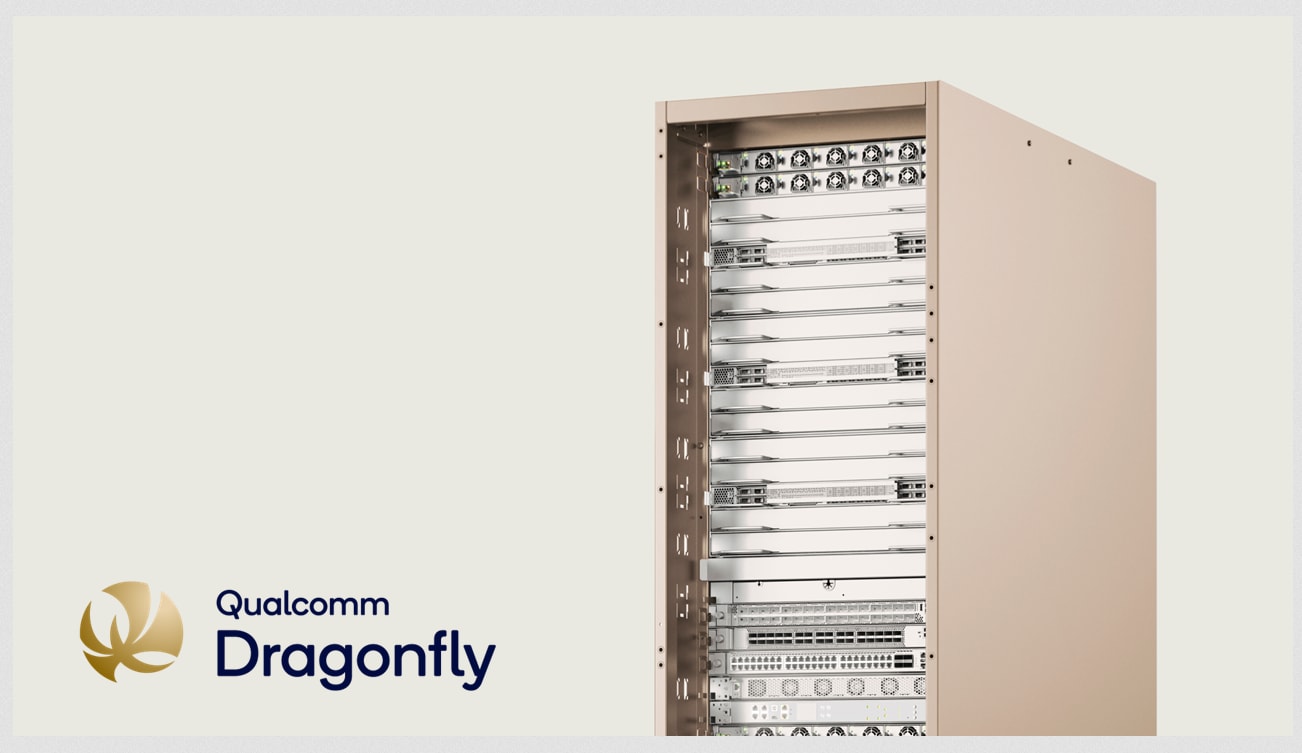
Qualcomm’s latest moves signal a deliberate shift toward data center dominance. The company is no longer just supplying silicon; it’s building end-to-end AI platforms designed to operate seamlessly across edge and cloud environments. This strategy positions Qualcomm as a major player in the agentic AI era, where workloads are increasingly distributed rather than centralized.
At its core, this expansion targets three key areas: optimized hardware for data center workloads, integrated software stacks tailored for AI training and inference, and partnerships that ensure compatibility with existing cloud infrastructure. The goal is to address a growing gap—organizations need more efficient ways to process AI tasks without sacrificing performance or flexibility.
Why This Matters Now
Data center demand has been rising steadily, but the real acceleration comes from agentic AI. Unlike traditional AI models that rely on static inputs, agentic systems require dynamic, real-time processing across multiple environments. Qualcomm’s approach aims to fill this need by providing hardware and software that can handle these workloads more effectively than current solutions.
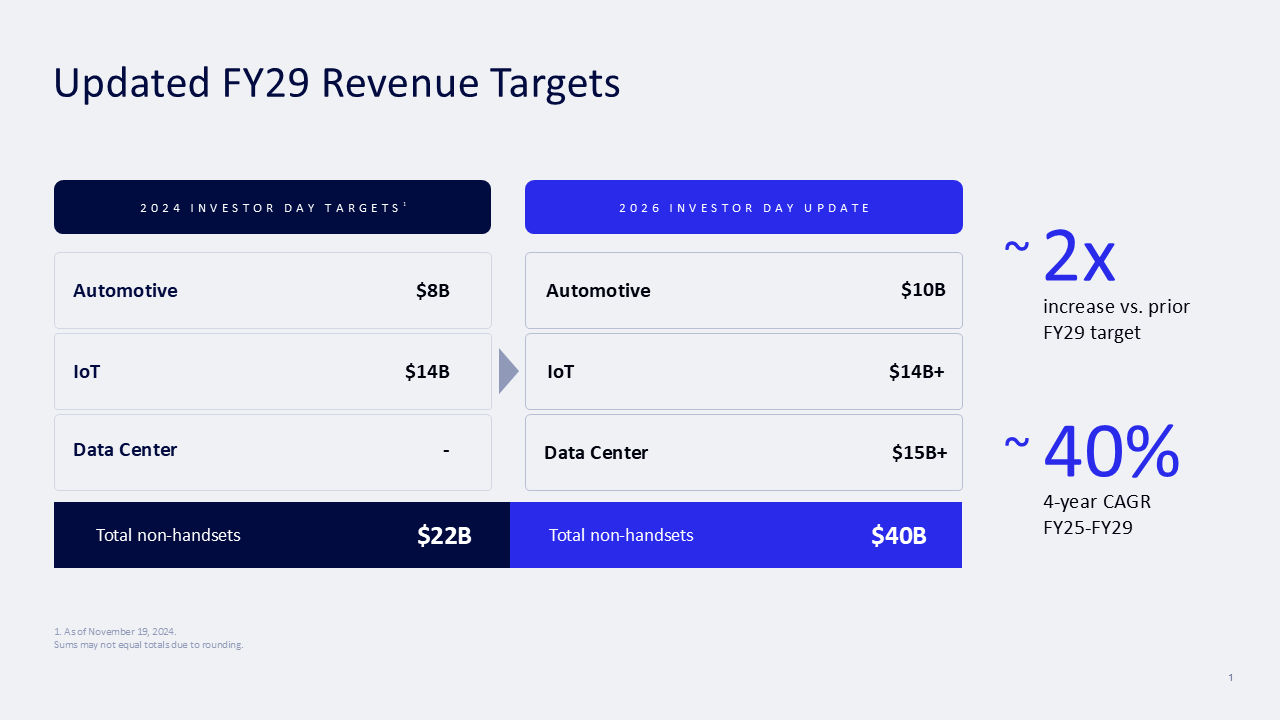
What Changed: A Full-Stack Play
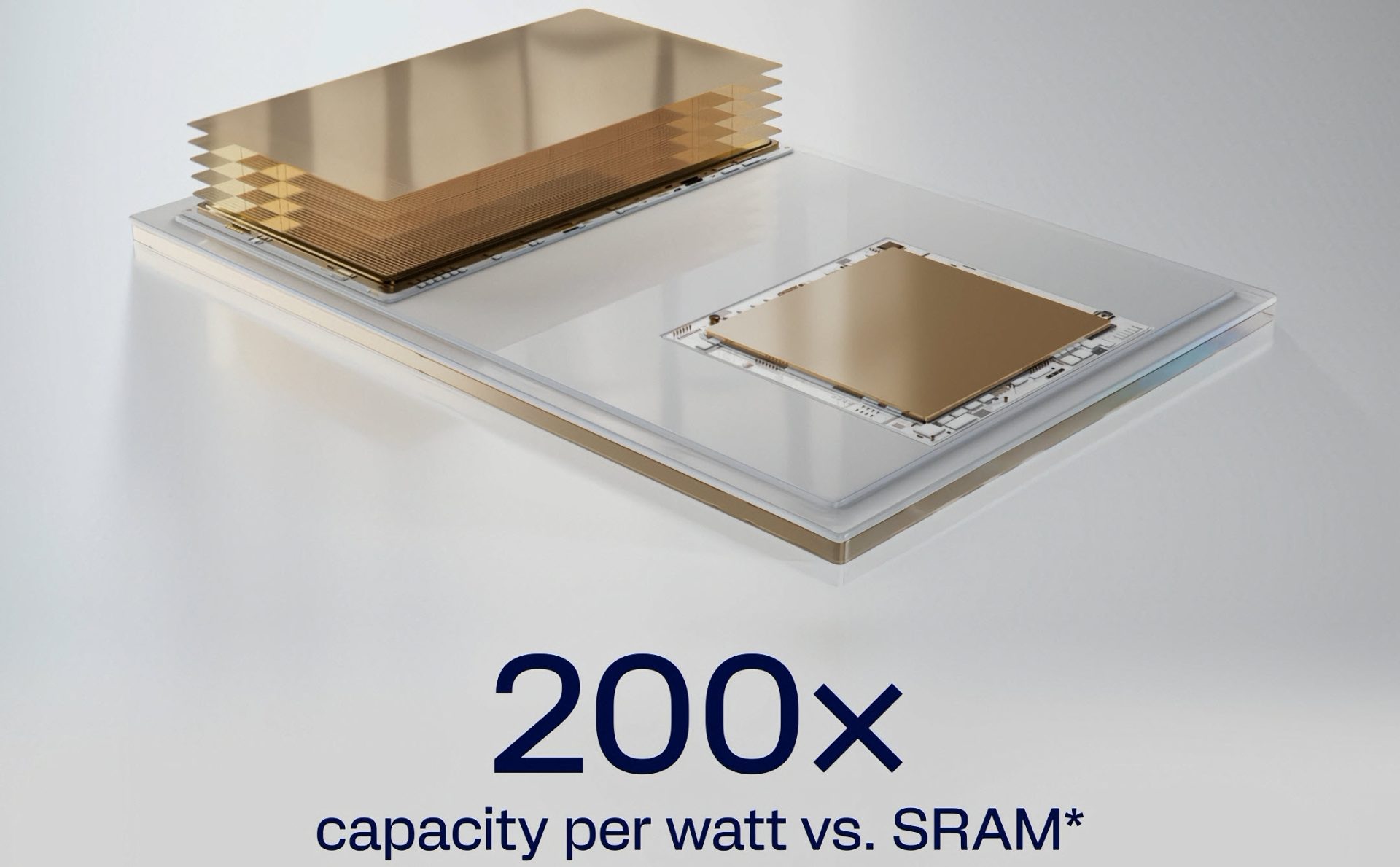
- Hardware: New data center-focused chips designed for AI training and inference, with support for higher memory bandwidth and optimized power efficiency.
- Software: Integrated frameworks that simplify deployment of AI models across edge and cloud, reducing the complexity of managing distributed workloads.
- Partnerships: Collaborations with major cloud providers to ensure interoperability, making it easier for enterprises to adopt Qualcomm’s solutions without overhauling existing infrastructure.
This isn’t just about faster chips—it’s about redefining how AI workloads are structured. For example, Qualcomm is introducing a new architecture that allows data center operators to offload certain tasks from CPUs to specialized accelerators, reducing latency while maintaining scalability.
Who Benefits—and Who Should Wait
For power users—data center operators, cloud providers, and enterprises building agentic AI systems—this shift is significant. Those already invested in distributed AI workloads will see immediate advantages in efficiency and performance. However, smaller businesses or organizations with simpler AI needs may not need to act quickly; Qualcomm’s focus is on large-scale, high-compute environments.
The next phase of this strategy hinges on two factors: how well the new hardware performs under real-world loads and whether Qualcomm can secure enough partnerships to make its platform a default choice in the data center space. If successful, it could redefine the landscape for AI infrastructure over the coming years.