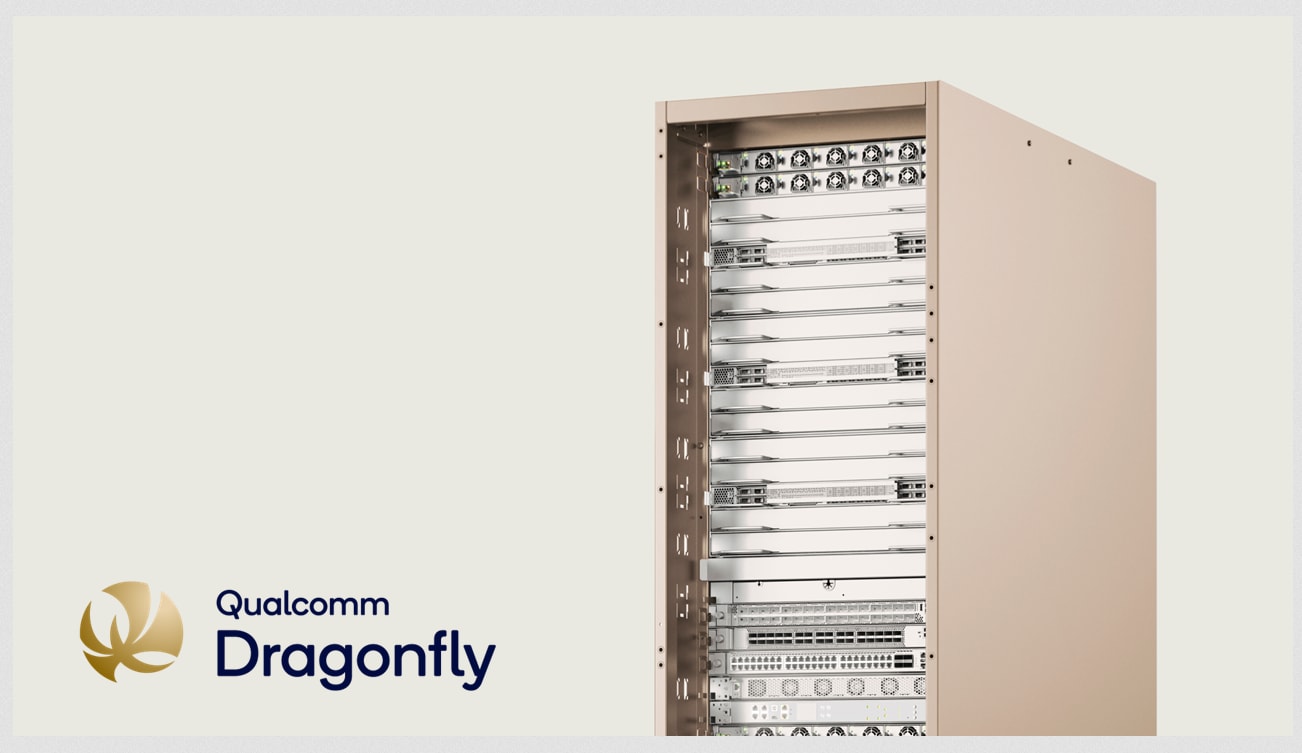
The integration of Qualcomm Technologies’ Dragonfly data center solutions with Hugging Face’s ecosystem marks a significant step toward streamlining AI workloads. This collaboration extends their existing partnership by introducing a specialized Hugging Face Agent designed for hybrid orchestration, enabling smoother transitions between edge devices and cloud infrastructure. While the focus is on enterprise-grade deployments, the practical benefits—such as reduced latency or improved model efficiency—are still under scrutiny.
Qualcomm’s Dragonfly chips, built for high-performance data center workloads, will now support Hugging Face’s model formats and workflows more seamlessly. This tighter integration suggests a push toward unifying AI development environments, where models trained on edge devices can be efficiently scaled in the cloud without significant overhead. However, without clear performance benchmarks or case studies, it’s difficult to assess whether this partnership will deliver tangible improvements for users.

Key Technical Changes
- A new Hugging Face Agent for orchestrating AI tasks across Qualcomm-powered devices and cloud environments.
- Support for Hugging Face model formats within Qualcomm’s Dragonfly software stack, potentially reducing deployment friction.
The partnership is likely to benefit enterprises with hybrid AI workloads, particularly those already leveraging both Qualcomm’s hardware and Hugging Face’s tools. For smaller teams or individual developers, the impact may be minimal unless they require advanced edge-to-cloud transitions. The lack of concrete performance data raises questions about whether this integration will justify its adoption over existing solutions.
Future Outlook
The collaboration does not specify a rollout timeline, but if successful, it could become a cornerstone for companies balancing on-device processing with cloud scalability. For now, the focus remains on proving that this partnership can deliver real-world efficiency gains without introducing new complexities.