The PSSR 2 algorithm has reached a milestone where its upscaled output is nearly indistinguishable from native 4K content, marking a significant leap forward in image processing technology.
This development addresses longstanding concerns about resolution fidelity in upscaling, ensuring that PC builders and users no longer have to compromise on visual quality when working with lower-resolution sources. The algorithm’s ability to maintain detail and sharpness at higher resolutions reduces the risk of compatibility issues while improving overall efficiency.
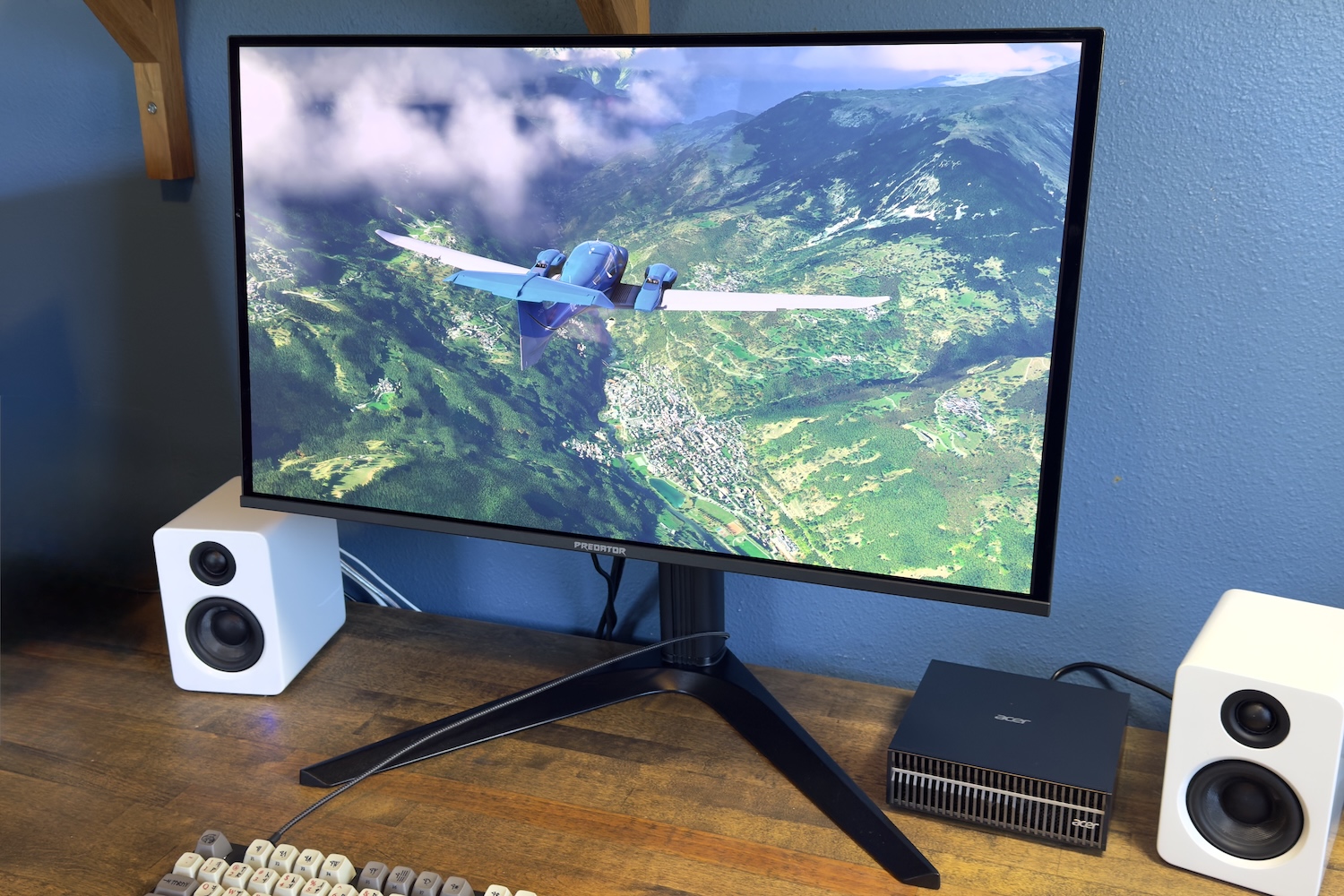
The PSSR 2 algorithm operates within a tight performance envelope, maintaining high frame rates even under heavy workloads. This is achieved through optimized processing that minimizes power consumption without sacrificing visual quality. For example, users running games or applications on lower-resolution displays will notice a smoother and more detailed experience, akin to what they would expect from native 4K content.

Key specifications include support for resolutions up to 3840x2160, with processing capabilities that handle complex scenes efficiently. The algorithm’s efficiency is further reinforced by its compatibility with modern hardware setups, ensuring seamless integration without the need for significant system upgrades.
The advancement also underscores the importance of software-based solutions in addressing hardware limitations. By leveraging advanced algorithms, PC builders can now achieve near-native resolution quality without relying solely on high-end hardware, providing a more accessible and efficient path to superior visual performance.
For users and builders alike, this development means that the gap between upscaled and native content is closing rapidly. The PSSR 2 algorithm’s ability to deliver sharp, detailed images sets a new standard for what can be expected from upscaling technology, ensuring that compatibility risks are minimized while efficiency is maximized.