PC gamers might soon see a familiar name return in an updated form: the Ryzen 7 5800X3D.
AMD's decision to revisit this model suggests a focus on maintaining its market position, particularly in gaming performance. The original Ryzen 7 5800X3D set benchmarks with its 3D V-Cache technology, delivering impressive single-core and multi-core results that pushed it ahead of competitors.
If an anniversary edition is indeed on the horizon, it could introduce subtle but meaningful improvements. These might include refined power efficiency, updated socket compatibility, or even a slight clock speed boost without altering the core architecture significantly. Such changes would likely aim to extend the lifespan of this processor while keeping costs in check for both manufacturers and consumers.
What changed under the hood?
The Ryzen 7 5800X3D's strength lies in its 3D V-Cache, a technology that stacks cache layers vertically to reduce latency. This design choice has proven effective, but any anniversary edition would need to address potential weaknesses, such as power consumption or thermal throttling, which have been points of discussion among enthusiasts.
Performance-wise, the original model delivered around 15% more IPC (Instructions Per Clock) than its non-3D counterpart, thanks to this cache innovation. If AMD were to tweak this further, it would likely focus on optimizing memory bandwidth or improving thermal design to sustain performance under load.
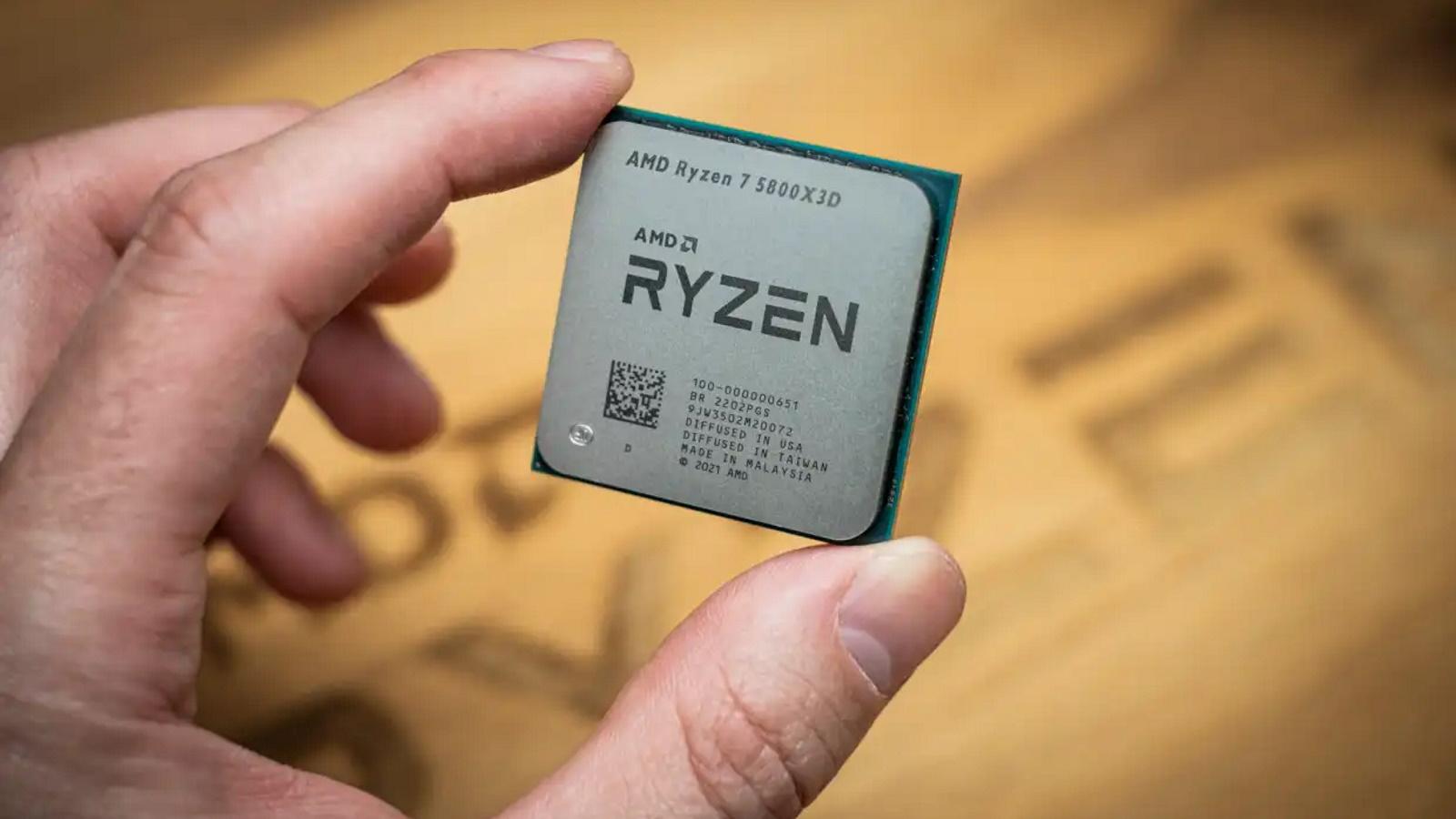
Key specs
- Model: Ryzen 7 5800X3D (potential anniversary edition)
- Cores/Threads: 8 cores / 16 threads
- Base Clock: 3.4 GHz (estimated, original model's base clock was 3.4 GHz)
- Boost Clock: Up to 4.5 GHz (estimated, original model's boost clock was up to 4.5 GHz)
- Cache: 96 MB (32 MB L3 + 64 MB 3D V-Cache)
- TDP: 105 W
- Socket: AM4 (original model used AM4; potential updates may retain this or shift to newer sockets)
- Memory Support: DDR4-3200 and above (original model supported up to DDR4-3600)
The anniversary edition, if it follows the original's path, would likely maintain compatibility with existing AM4 motherboards. This is a critical point for enterprise buyers who have invested in this platform but are cautious about upgrading to newer sockets like AM5 without clear performance gains.
Market impact
The Ryzen 7 5800X3D has been a staple in mid-range and high-end gaming builds, offering strong value for its price point. An anniversary edition could reinforce this position by addressing minor inefficiencies while keeping the price competitive. For enterprises, this means continued reliability in workstations where single-threaded performance is crucial, such as content creation or CAD tasks.
However, the real question is whether AMD can introduce these improvements without significantly increasing costs. If the anniversary edition sticks to incremental updates, it could appeal to budget-conscious buyers looking for a performance boost without a full platform upgrade. This would be particularly appealing in markets where newer CPUs like those based on Zen 4 have yet to see widespread adoption.
For now, the focus remains on whether AMD will proceed with this update. If confirmed, it could signal a broader trend of revisiting older architectures for incremental gains, a strategy that has worked well in other segments, such as GPUs and mobile processors.