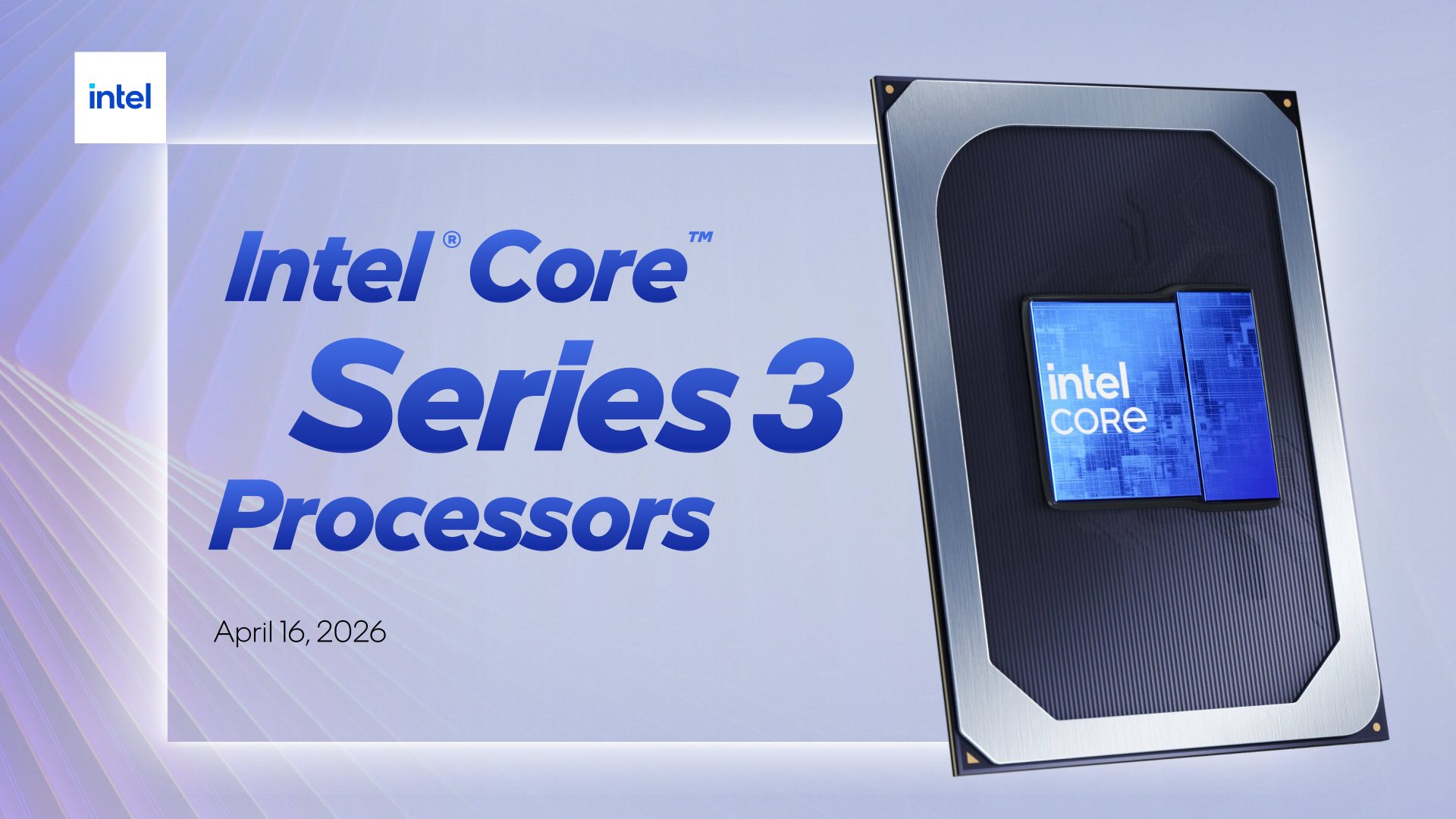
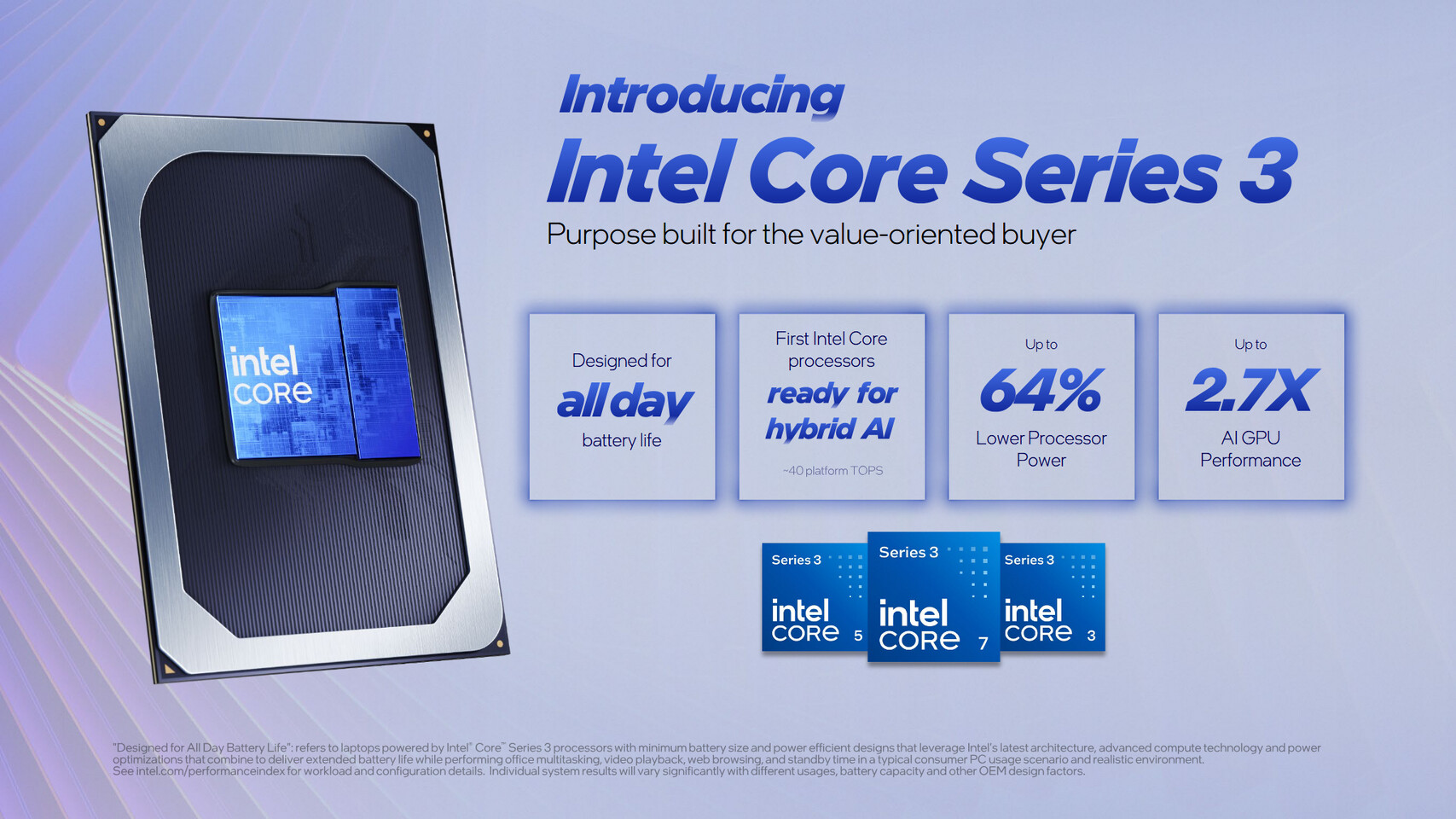
Intel has unveiled its new Core Series 3 processors, marking another iteration in its processor lineup. The update brings modest gains in performance and power efficiency, but the real question is whether this step forward will solidify Intel's position or leave it playing catch-up.
The new processors feature a base clock speed of 2.6 GHz, with turbo boost capabilities reaching up to 4.8 GHz. This is paired with 12 MB of cache and support for dual-channel DDR5 memory, setting the stage for better multitasking and future-proofing builds. However, the absence of significant leaps in architecture or core count raises concerns about how these processors will fare against competitors in the long run.
Performance and Efficiency: A Balanced Approach
The Core Series 3 processors aim to strike a balance between performance and efficiency. With improved instructions per cycle (IPC) and better power management, they promise smoother operation and longer battery life for devices built around them. This is particularly appealing for PC builders looking to optimize their systems without overhauling their entire setup.
Compatibility Risks: A Gamble for Builders
That’s the upside—here’s the catch. While the new processors offer immediate benefits, their compatibility with existing platforms remains a question mark. Intel has not yet confirmed whether these processors will be compatible with older motherboards or if they require an entirely new ecosystem. For PC builders, this could mean a costly upgrade path if they’re not careful.
Additionally, the lack of significant advancements in core count or architecture could limit their longevity. In a market where innovation is rapid and expectations are high, processors that don’t push boundaries risk becoming obsolete sooner rather than later. This is especially true for enthusiasts and professionals who demand cutting-edge performance.
A Strategic Move with Uncertain Outcomes
Intel’s move to release the Core Series 3 processors can be seen as a strategic attempt to stabilize its position in the CPU market. By focusing on efficiency and incremental improvements, Intel is betting that these processors will appeal to a broad audience, from mainstream users to power users who prioritize stability over bleeding-edge performance.
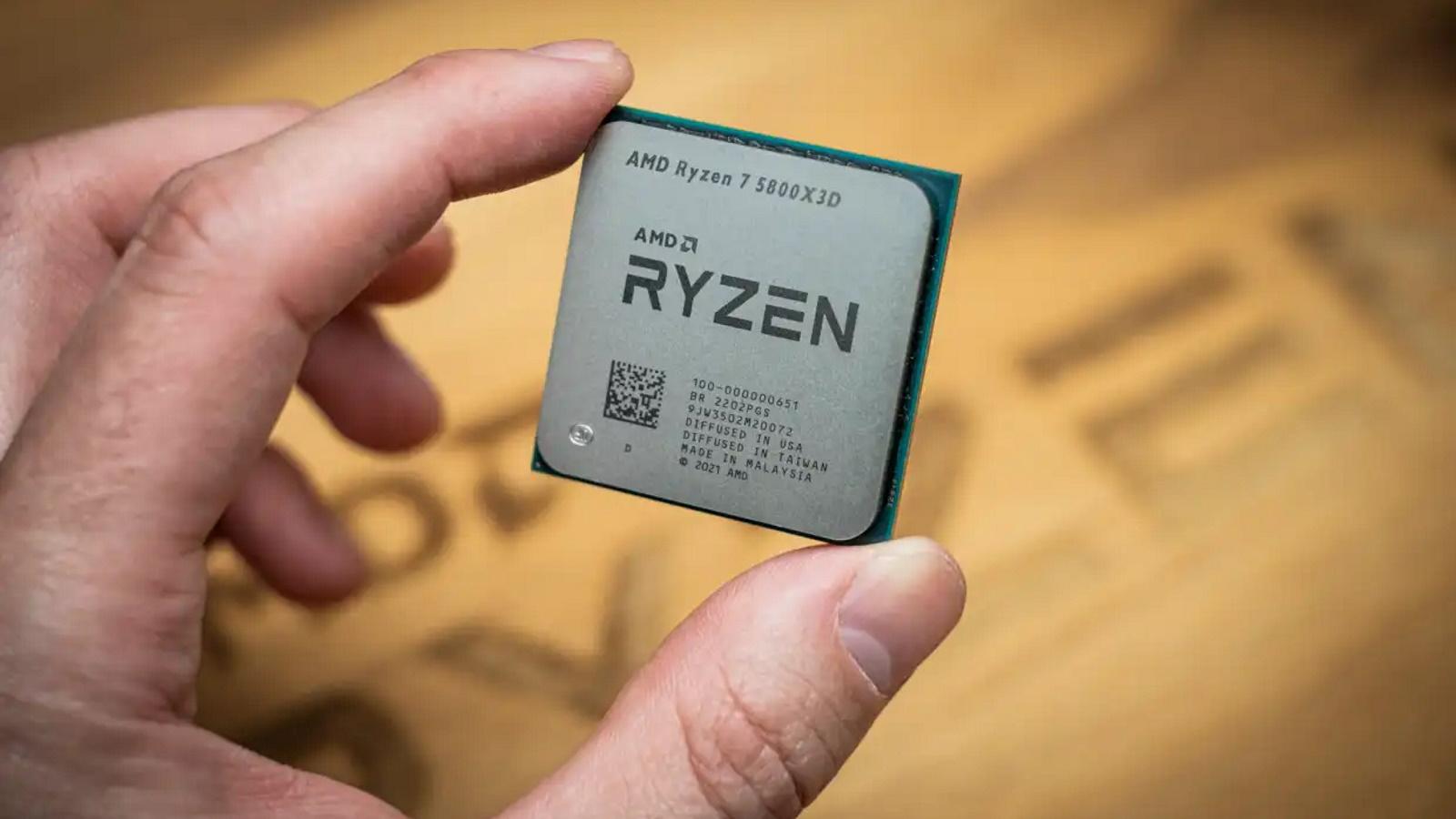
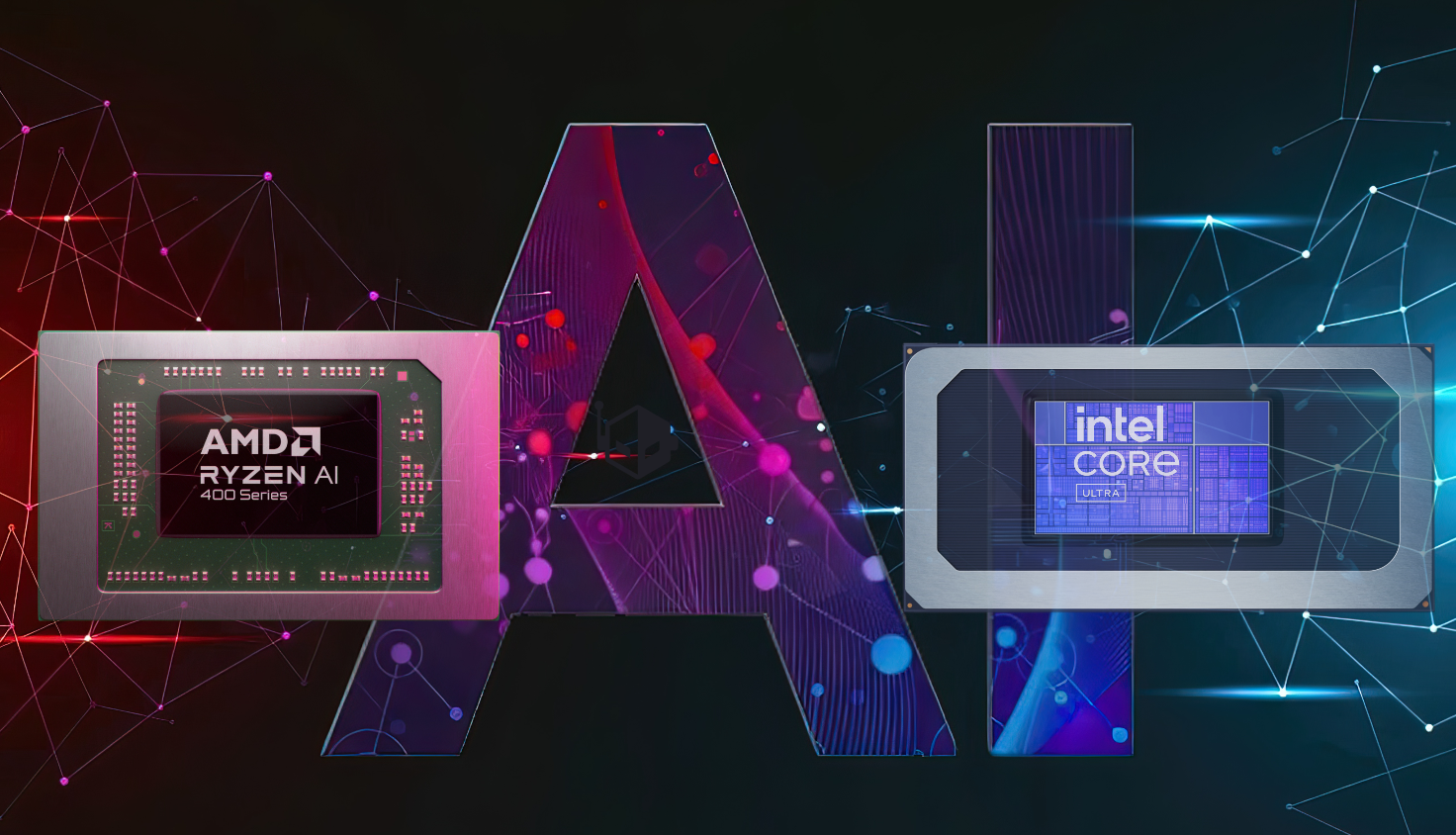
However, the lack of bold innovations leaves room for skepticism. Competitors like AMD have been pushing the envelope with their Ryzen processors, offering more cores, better multithreading, and advanced features that cater to the demands of modern workloads. Intel’s cautious approach may satisfy some users but could also leave others wondering where the next breakthrough will come from.
For now, the Core Series 3 processors offer a viable option for those looking to upgrade their systems without making drastic changes. But whether this will translate into long-term success remains to be seen. Intel’s roadmap is critical here—if it continues to deliver steady improvements without major setbacks, these processors could become a staple in many builds.
The real test will be how well these processors integrate into the broader ecosystem and whether they can keep pace with the rapid advancements in the industry. Until then, PC builders will need to weigh the benefits against the risks, ensuring they don’t get left behind as the market evolves.