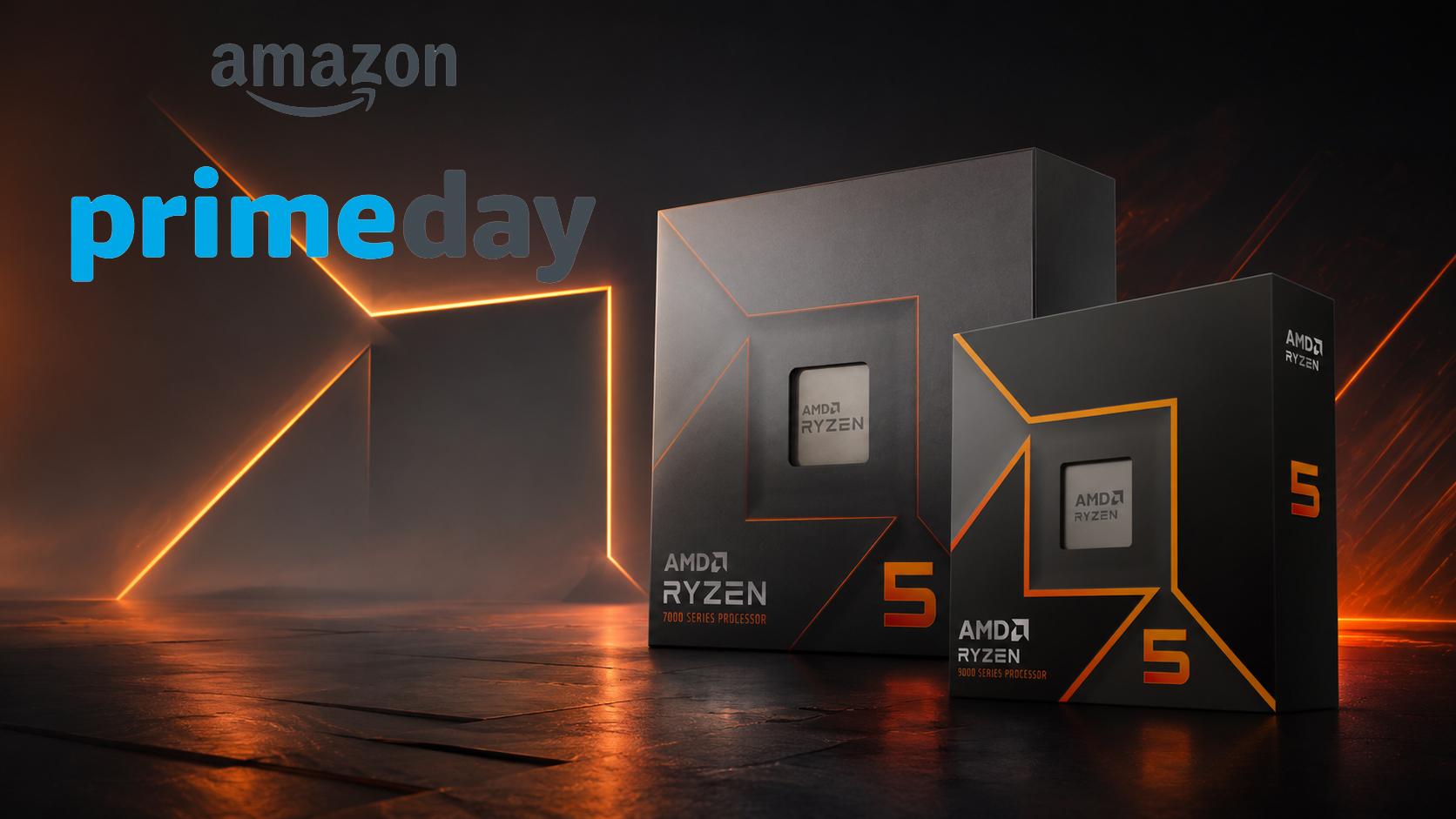
AMD’s latest price adjustments on two of its flagship processors—dropping the Ryzen 9 7950X3D to under $180 and the Ryzen 7 7800X3D to below $150—mark a deliberate shift in how enthusiasts and enterprise buyers approach high-end desktop builds. The reductions, effective immediately, don’t alter core specifications but reframe the value proposition for users who prioritize raw performance without the premium associated with cutting-edge hardware.
The Ryzen 9 7950X3D, known for its 16-core, 32-thread configuration and integrated 3D V-Cache technology, now sits at $179.99, a notable departure from its previous pricing tier. Similarly, the Ryzen 7 7800X3D, an 8-core, 16-thread processor with the same cache advantage, has been priced down to $149.99. Both chips remain compatible with AMD’s AM5 platform, which supports DDR5 memory and PCIe 5.0, ensuring future-proofing for users investing in these processors.
This pricing strategy reflects broader market trends where cost efficiency has become a critical factor, even among performance-driven segments. For enthusiasts, the move means that building a high-end system no longer requires compromising on either performance or budget. However, for enterprise buyers, the implications are less about immediate savings and more about aligning with AMD’s long-term vision for its AM5 ecosystem, which continues to gain traction in both consumer and professional spaces.
What This Means for Builders
The price cuts are part of a larger narrative around AMD’s AM5 platform. While the Ryzen 9 7950X3D and Ryzen 7 7800X3D have been available since late last year, their reduced prices now make them more competitive against alternatives in the mid-range segment. This is particularly relevant for users who are upgrading from older platforms or those looking to leverage PCIe 5.0 and DDR5 support without overcommitting to cost.
For those focused on raw performance, the Ryzen 9 7950X3D remains a powerhouse, capable of sustained workloads that rival high-end workstations. Its 16 cores and 32 threads, combined with the 3D V-Cache technology, deliver significant advantages in tasks like content creation, 3D rendering, and scientific simulations. The price reduction, however, may shift the calculus for some buyers who were previously hesitant due to the high upfront cost.
On the other hand, the Ryzen 7 7800X3D offers a more balanced proposition for users who need strong multi-threaded performance without the full core count of its higher-end sibling. Its 8 cores and 16 threads are well-suited for tasks like video editing, gaming, and general productivity, making it an attractive option for both enthusiasts and professionals.
Looking Ahead: What’s Next for AM5?
The pricing adjustments also serve as a signal to the market about AMD’s confidence in its AM5 platform. With no immediate plans to discontinue support for these processors, users can expect continued stability and potential future optimizations, whether through software updates or new hardware revisions.
For enterprise buyers, the focus should be on the broader ecosystem rather than just the price tags. The AM5 platform’s support for DDR5 memory and PCIe 5.0 ensures that systems built today will remain relevant as new technologies emerge. This is particularly important in industries where long-term ROI is a priority, such as data centers, research facilities, and high-performance computing clusters.
While the price cuts are welcome, the real question for buyers is whether this is a one-time adjustment or the beginning of a more aggressive pricing strategy from AMD. If the trend continues, it could further democratize access to high-end performance hardware, but only time will tell if this becomes the new standard rather than an exception.