The global shift toward domestic semiconductor production has reached a new milestone with the introduction of a high-performance CPU designed to rival Intel's Xeon lineup. The C86 processor, developed by Hygon, delivers 128 cores and 512 threads—specs that position it as a direct alternative for data centers and enterprise environments where performance is critical.
What sets the C86 apart isn't just its core count but also its efficiency. Benchmark results suggest a 15% improvement in instruction-per-cycle (IPC) performance compared to competing server processors. This could translate to faster execution of complex workloads, from AI training to large-scale database queries, without requiring significant changes to existing infrastructure.
For IT teams evaluating hardware for high-density computing, the C86 presents a compelling tradeoff: it matches or exceeds the performance of established Western alternatives while addressing China's strategic push to reduce dependency on foreign chip suppliers. The processor is expected to integrate with standard server platforms, making adoption straightforward for organizations already invested in x86 architecture.
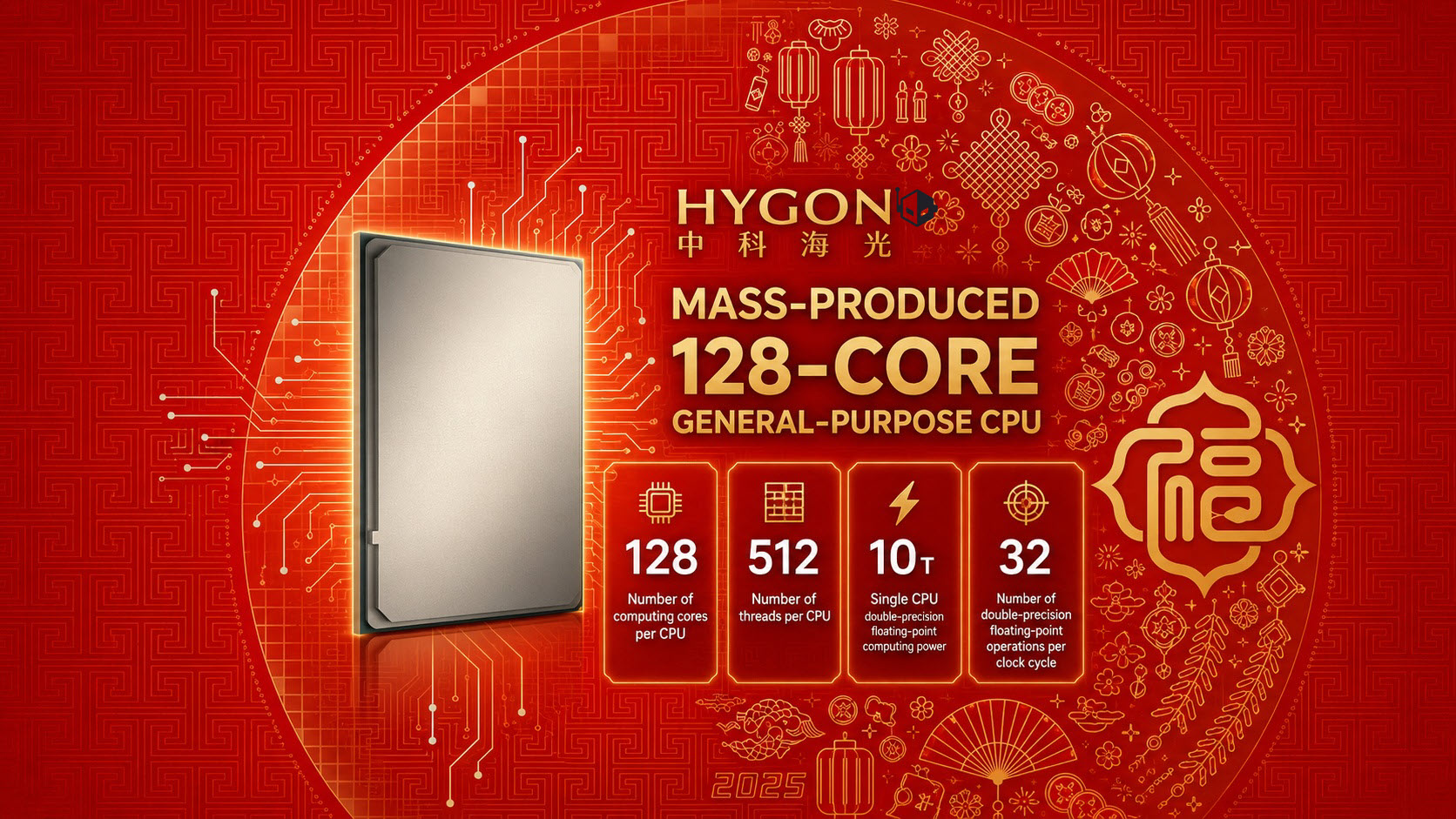
- Architecture: 128-core, 512-thread design
- Performance: 15% higher IPC than competing CPUs
- Memory Support: DDR4/DDR5 compatibility (exact speeds to be confirmed)
- TDP: Estimated around 200W for sustained workloads
- Target Use Cases: Enterprise servers, AI/ML clusters, high-performance computing
While the C86 doesn't challenge Intel or AMD on single-threaded performance—where those vendors maintain significant leads—it carves out a strong position in multi-threaded scenarios. This aligns with the growing demand for parallel processing in cloud infrastructure and scientific research. The processor is likely to be paired with Hygon's existing memory and chipset solutions, reinforcing its role as a self-contained ecosystem.
The broader implications extend beyond hardware specifications. By offering a viable domestic alternative, the C86 could accelerate China's transition toward greater semiconductor independence—a shift that has ripple effects across global supply chains. For IT decision-makers, this means more options for sourcing high-performance components while navigating geopolitical and logistical challenges.
The processor is not yet available on the market, but its development signals a significant step forward in China's chip-making capabilities. Whether it gains traction will depend on how well it balances performance, power efficiency, and compatibility with existing software stacks—a standard that Intel and AMD have long set, but now faces direct competition from homegrown innovation.