PC builders are about to gain access to high-bandwidth memory (HBM) performance without the usual packaging headaches. JEDEC has approved SPHBM4, a variant that delivers HBM4-level speeds using standard packages instead of the costly stacked modules that have limited widespread adoption.
The shift to SPHBM4 could open doors for more efficient cooling and lower system costs, but it also introduces new constraints around thermal management and board design. Here’s what builders need to know about this potential game-changer.
Performance Without the Stack
- Speed: 3.6 Gbps per pin (matching HBM4)
- Bandwidth: Up to 1.5 TB/s (theoretical maximum)
- Density: 8-16GB stacks, but with wider signal lanes
The key innovation is the use of standard package-on-package (PoP) construction instead of through-silicon vias (TSVs), which have been the bottleneck for cost and thermal efficiency. SPHBM4 retains HBM4’s high-speed interface while moving away from the vertical stacking that has made traditional HBM expensive to produce and difficult to cool.
What Builders Need to Watch
The transition to SPHBM4 isn’t without tradeoffs. While it eliminates the need for TSVs, the wider signal lanes mean more power consumption per pin—around 1.5x higher than traditional HBM. This could push thermal constraints further, especially in compact builds where airflow is already limited.
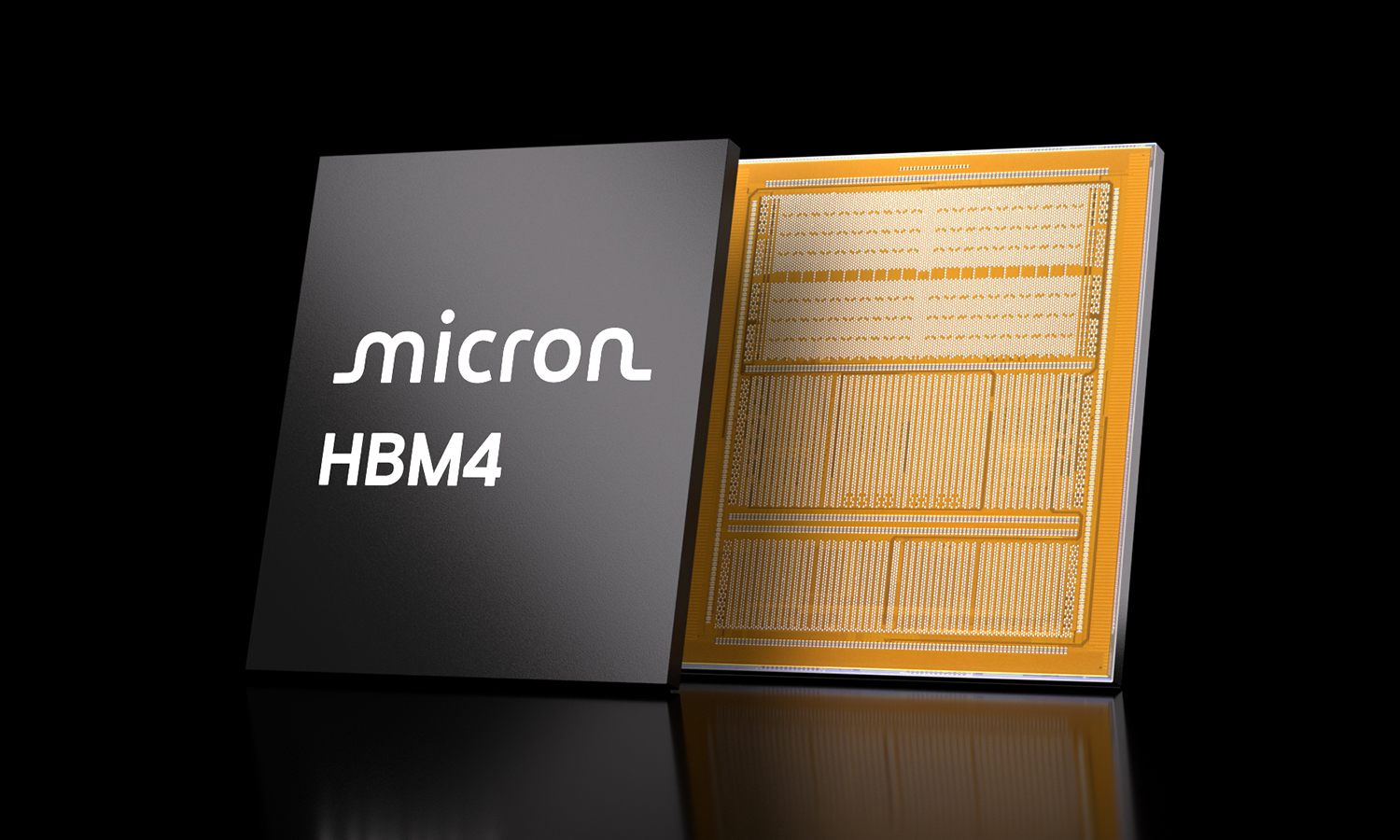
Manufacturers will also face a learning curve. SPHBM4 requires new PCB routing techniques to handle the increased signal density without crosstalk. Early adopters may see latency spikes if designs aren’t optimized, though the theoretical bandwidth remains untouched.
A Market Shift in the Making?
For PC builders, the implications are significant. SPHBM4 could finally make HBM-level performance accessible for mid-range systems without the premium pricing of today’s stacked modules. Workstations and AI development rigs stand to benefit most, as they’ve been the primary users of high-bandwidth memory so far.
But the real question is whether manufacturers will embrace this shift. The move away from TSVs could lower production costs, but it also means less vertical integration in memory stacks—a gamble for companies that have invested heavily in stacked HBM technology. If SPHBM4 gains traction, we could see a new wave of high-performance kits hitting the market within 12-18 months.
For now, builders should keep an eye on early samples and benchmarks. The performance gap between SPHBM4 and traditional HBM may not be as wide as expected, but thermal management will remain a critical factor in real-world usage.