When users swipe to unlock their iPhone Ultra, they’ll see a sharp, high-contrast display that leverages Samsung’s newest M16 OLED technology—natively 10-bit, with peak brightness and deeper blacks than before. But beneath the surface, the device still relies on an older M14 OLED for its inner screen, hinting at a deliberate strategy to manage complexity while pushing performance where it counts.
This dual-panel setup isn’t just about raw specs; it reflects Apple’s approach to display optimization. The outer panel, which handles most user interactions and media consumption, gets the best of what Samsung can offer right now—higher brightness, improved color volume, and smoother transitions. Meanwhile, the inner screen, used for notifications and quick glances, stays with a more mature but still capable M14 OLED, likely to balance power efficiency and cost.
Key specs for the outer panel include
- Display Type: Samsung M16 OLED
- Bit Depth: Natively 10-bit
- Peak Brightness: Higher than previous generations (exact value not yet confirmed)
- Color Volume: Expanded, with deeper blacks and more vibrant hues
The inner screen retains the M14 OLED, which is already a proven performer in Apple’s lineup. While it lacks some of the outer panel’s advancements, it still delivers 8-bit color depth with HDR support and remains energy-efficient—a tradeoff that makes sense for a display used sparingly.
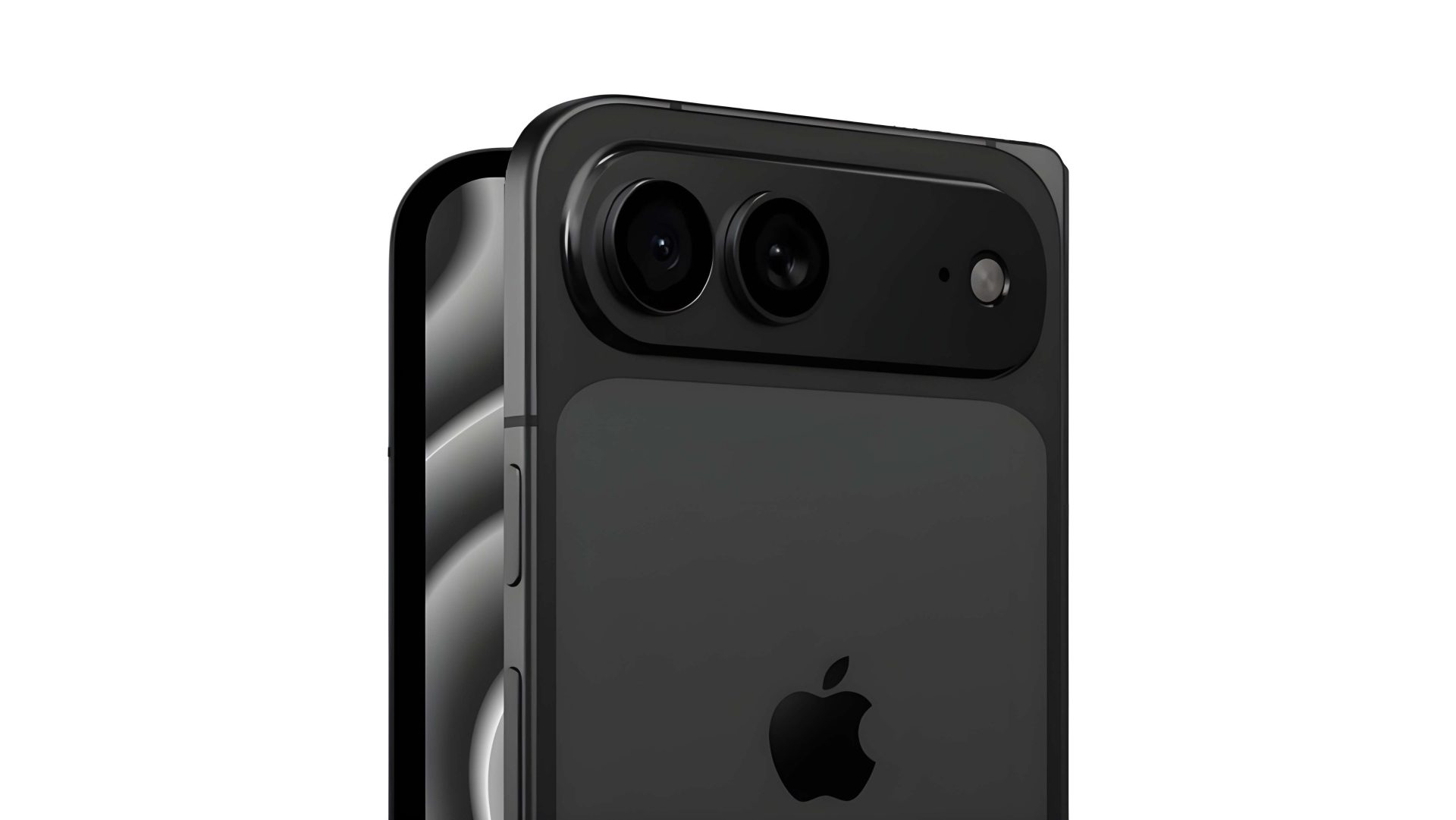
Why this matters isn’t just about visuals; it’s about how Apple manages power and cost in a device that’s already pushing boundaries. The outer panel’s M16 OLED will likely demand more from the battery, but its role as the primary display means users get the best possible experience for tasks like video playback or gaming—where every bit of color depth and brightness counts. Meanwhile, the inner screen’s M14 OLED keeps things practical, avoiding unnecessary power drain.
There’s an unanswered question here: how much will this dual-panel approach affect longevity? OLEDs degrade over time, and using two different generations could introduce inconsistencies in aging between screens. But for now, the focus is on delivering a premium experience where it matters most—leaving room to see if Apple refines this strategy in future models.
The shift toward natively 10-bit displays isn’t new, but its targeted deployment here suggests Apple is prioritizing user-facing performance without overhauling every component. It’s a reminder that even in an era of rapid innovation, practicality still shapes the final product.