The ASRock X870E Challenger Wi-Fi motherboard steps into the crowded high-end platform space with a compelling mix of features and limitations that will shape upgrade decisions for IT teams. On paper, it supports Intel’s 13th Gen (Raptor Lake) processors up to 24 cores, offers robust power delivery, and includes a white aesthetic that stands out in the market. However, the practical implications of these specs—particularly around memory support, PCIe lanes, and future-proofing—demand closer scrutiny.
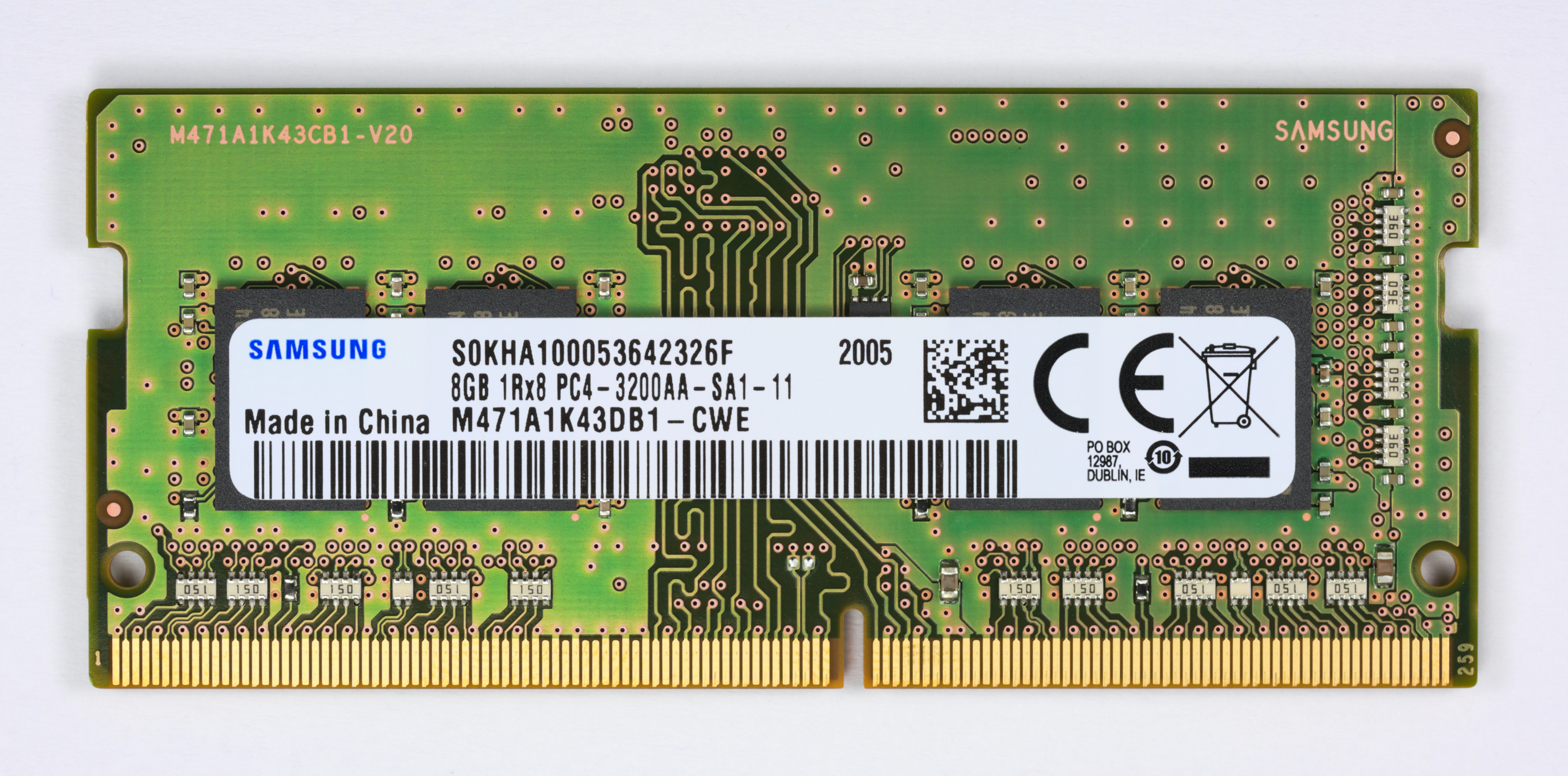
The motherboard’s core strength lies in its ability to handle demanding workloads without bottlenecking. It supports up to 128GB of DDR5-6400 memory (with overclocking potential) across four slots, a critical advantage for AI inference tasks and high-core-count servers. The chipset also provides 20 PCIe 5.0 lanes, though only one is reserved for the CPU, leaving the rest for storage and expansion—meaning real-world bandwidth distribution becomes a key consideration for multi-GPU or NVMe-heavy builds.
Key Details: Performance vs. Practicality
A closer look reveals both strengths and constraints that will influence long-term system design. The board’s VRM layout is optimized for stability, with 16+1 power phases capable of delivering stable voltages even under heavy loads. However, the lack of a front-panel USB-C port—common in modern consumer boards—may disappoint teams looking for seamless connectivity without additional cables. Wi-Fi 6E and Bluetooth 5.2 are included via an Intel AX210 chip, but the antenna placement could lead to signal interference in dense data center environments.
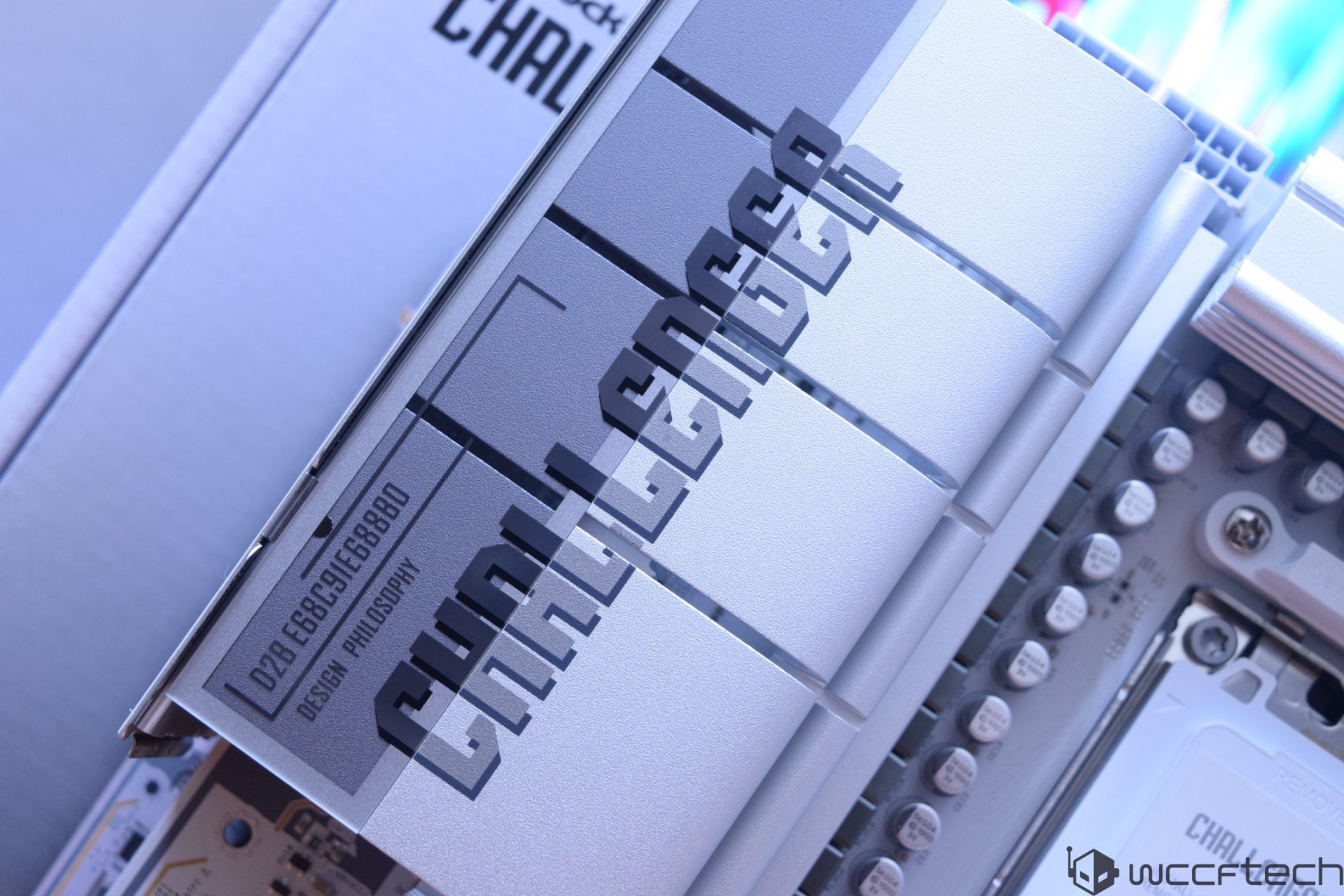
What It Means for Upgrade Paths
The real challenge for IT teams isn’t just performance, but how this board fits into a long-term roadmap. Intel 13th Gen is a high-efficiency platform, but its successor (Intel 14th Gen) may require a new motherboard due to socket changes. The X870E Challenger Wi-Fi avoids some of the pitfalls of earlier generations—like limited PCIe lanes—but it doesn’t solve the fundamental question: when will teams need to move from LGA 1700? The answer isn’t just about performance; it’s about avoiding premature hardware refreshes while keeping options open for future CPU upgrades.
For now, the board’s white design and high-end features make it a standout in the market. But its true value will depend on how IT teams navigate the tradeoff between cutting-edge specs today and flexibility tomorrow. The X870E Challenger Wi-Fi isn’t just about raw performance—it’s about whether that performance aligns with long-term system goals.