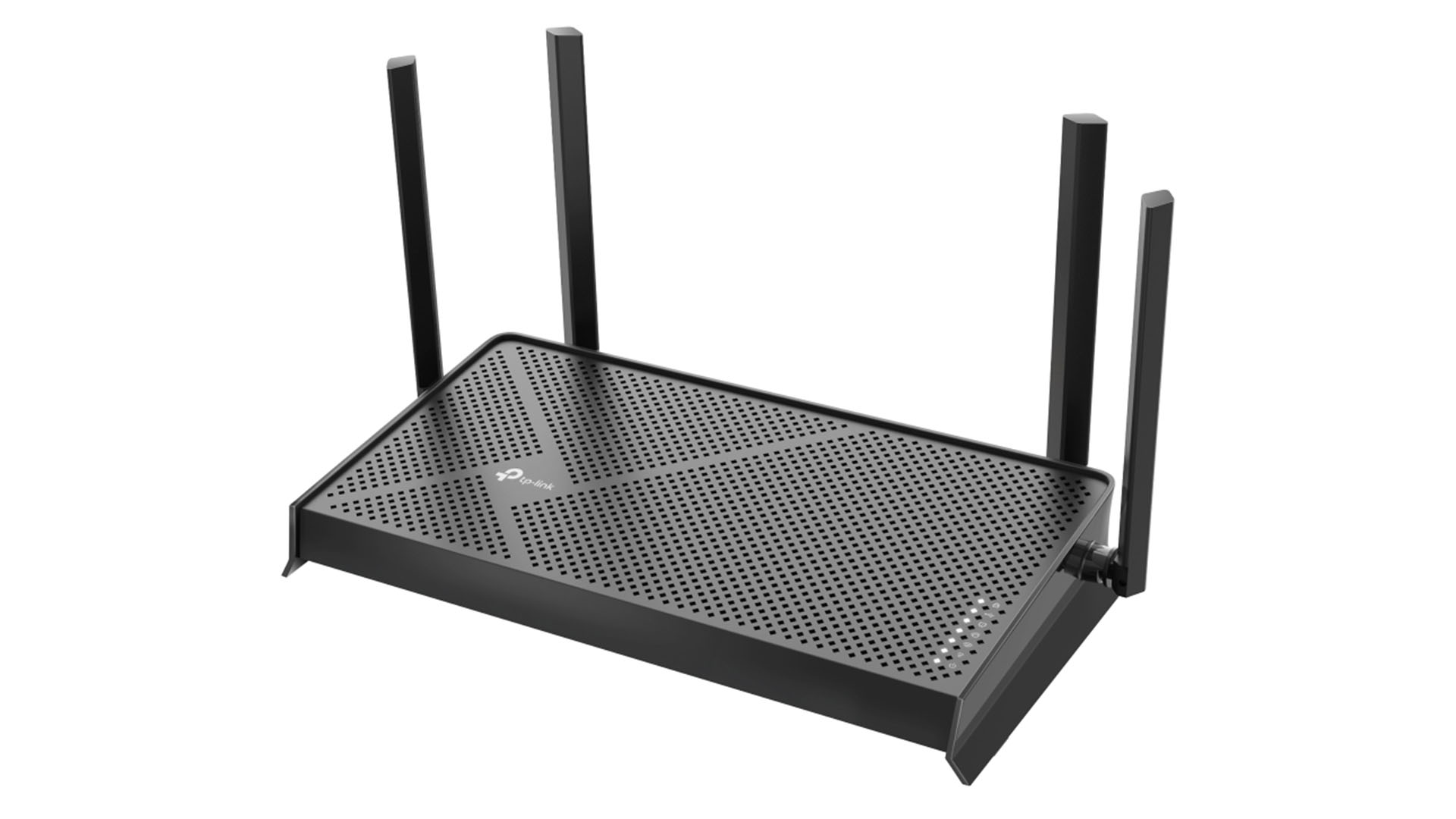
The Federal Communications Commission (FCC) is considering a rule that could prevent the sale of home routers made outside the United States, starting in October. If implemented, this would mark a significant shift in how Americans access networking hardware, with potential implications for both security and affordability.
At a glance
- Effective date: Proposed for October 1, 2024
- Scope: Targets routers manufactured outside the U.S. sold in domestic markets
- Rationale: Addresses national security and supply chain vulnerabilities
- Impact: Could reduce consumer choice and increase costs for home networking equipment
The proposal comes as part of a broader push to tighten controls over telecommunications infrastructure. While routers are often seen as mundane hardware, their role in maintaining secure connections has become a focal point for regulators concerned about foreign influence or tampering risks.
Why the FCC is taking action
This isn’t an isolated move—it reflects a growing trend where governments are re-evaluating the origins of critical technology. Routers, which sit at the heart of home networks, could become a testing ground for how far such policies will extend. For consumers, the immediate effect may be fewer options and higher prices, though proponents argue the trade-off is necessary to safeguard against potential security threats tied to foreign-manufactured devices.

Who stands to gain—and who may lose out
- Tech enthusiasts: Could face limitations on high-performance or specialized router models if global supply chains are disrupted.
- Budget-conscious users: May see a decline in affordable alternatives, though domestic-made routers could offer better long-term reliability.
The rule doesn’t specify which countries would be affected, but it signals a clear preference for routers manufactured within U.S. supply chains. The FCC hasn’t yet detailed how enforcement will work or whether existing inventory would be grandfathered in, leaving uncertainty about the full scope of its impact.
What’s next for consumers
The biggest unanswered question is whether this proposal will lead to a lasting constraint on consumer choice or if it will prompt manufacturers to adapt quickly. While the goal of securing network infrastructure is clear, the practical effects—such as higher costs or reduced availability—could outweigh the benefits if not carefully managed. The FCC’s next steps will determine whether this becomes a minor adjustment or a major disruption for home users.