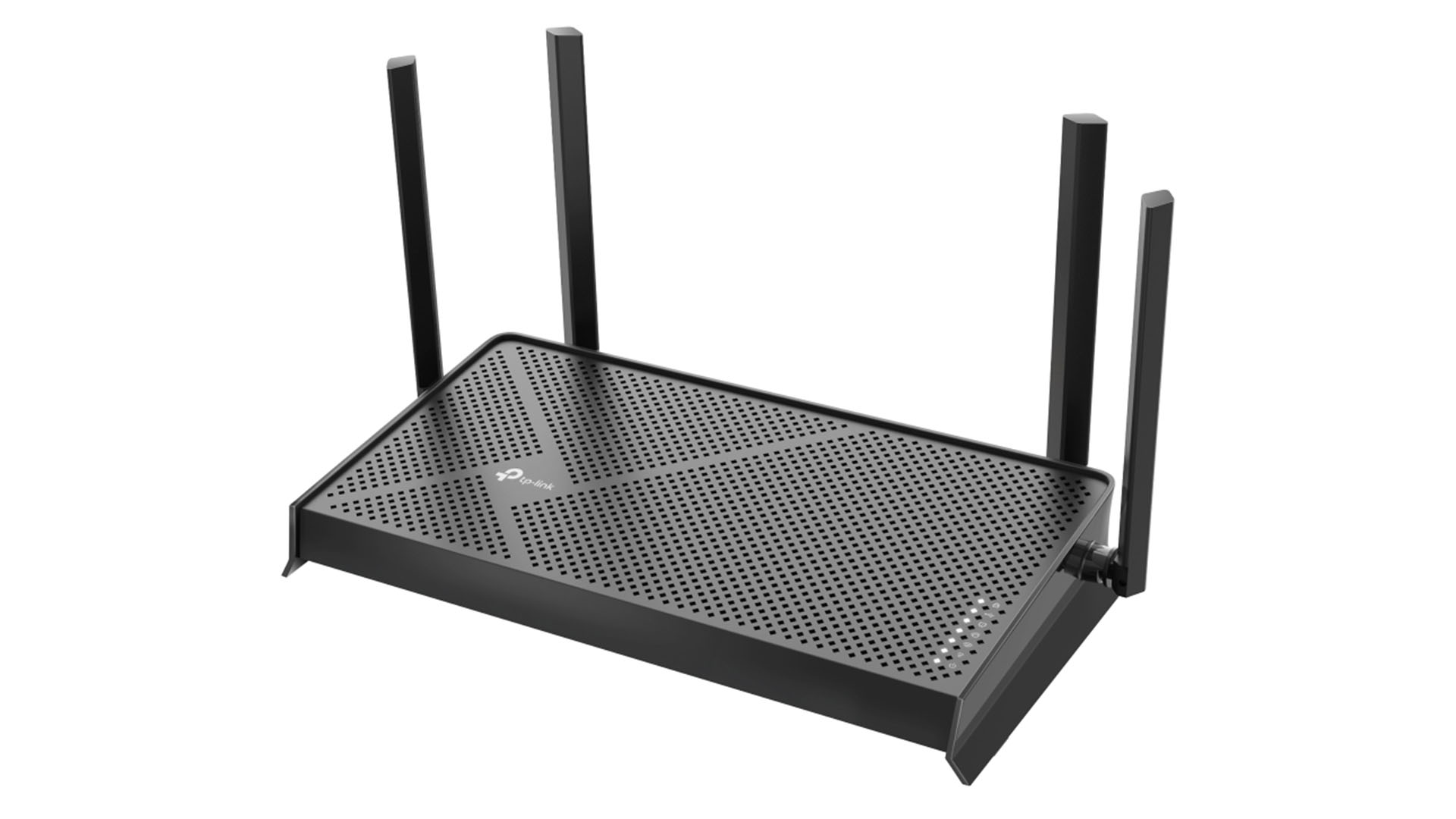
A new benchmark in wireless networking has emerged without the usual cost barrier. The TP-Link Archer BE230 offers dual-band Wi-Fi 7 performance—16-stream processing across two frequency bands—while staying under $90, a fraction of what similar launch models have historically demanded.
Traditionally, each major leap in Wi-Fi technology has come with a steep price increase. Consumers faced a choice: pay a premium for the latest standards or accept slower but more affordable hardware. The BE230 disrupts this pattern by delivering peak speeds of 5.4 Gbps—3.6 Gbps on the 5 GHz band and 1.8 Gbps on 2.4 GHz—without requiring a high-end wallet.
- Dual-band throughput: 5 GHz (up to 3.6 Gbps) and 2.4 GHz (up to 1.8 Gbps)
- Total wireless capacity: 5.4 Gbps
- Modulation support: 1024-QAM, a defining feature of Wi-Fi 7
- Backward compatibility: Works seamlessly with devices using older standards like 802.11ac
The router’s four external antennas ensure strong signal distribution in larger spaces, though it doesn’t yet include advanced Wi-Fi 7 features like multi-link operation (MLO). These capabilities are still evolving across the industry, but the BE230 delivers immediate improvements in speed and efficiency for most users.
This pricing strategy suggests a potential shift in how wireless hardware is introduced to market. Previous generations, such as Wi-Fi 6, often launched at $150–$200 before dropping below $100 within months. The BE230, however, arrives at launch with aggressive pricing, hinting that manufacturers may be applying lessons from past cycles to the next generation.
For those considering an upgrade, the trade-off is clear: the router avoids the premium pricing of earlier launches but doesn’t yet support all emerging Wi-Fi 7 features. Buyers must weigh whether current performance meets their needs or if they should wait for more advanced models in the future.
Regardless, the BE230 proves that high-speed wireless technology doesn’t have to come with a hefty price tag—at least not yet. It offers a compelling blend of speed, compatibility, and affordability, making it a standout option for users looking to future-proof their networks without breaking the bank.