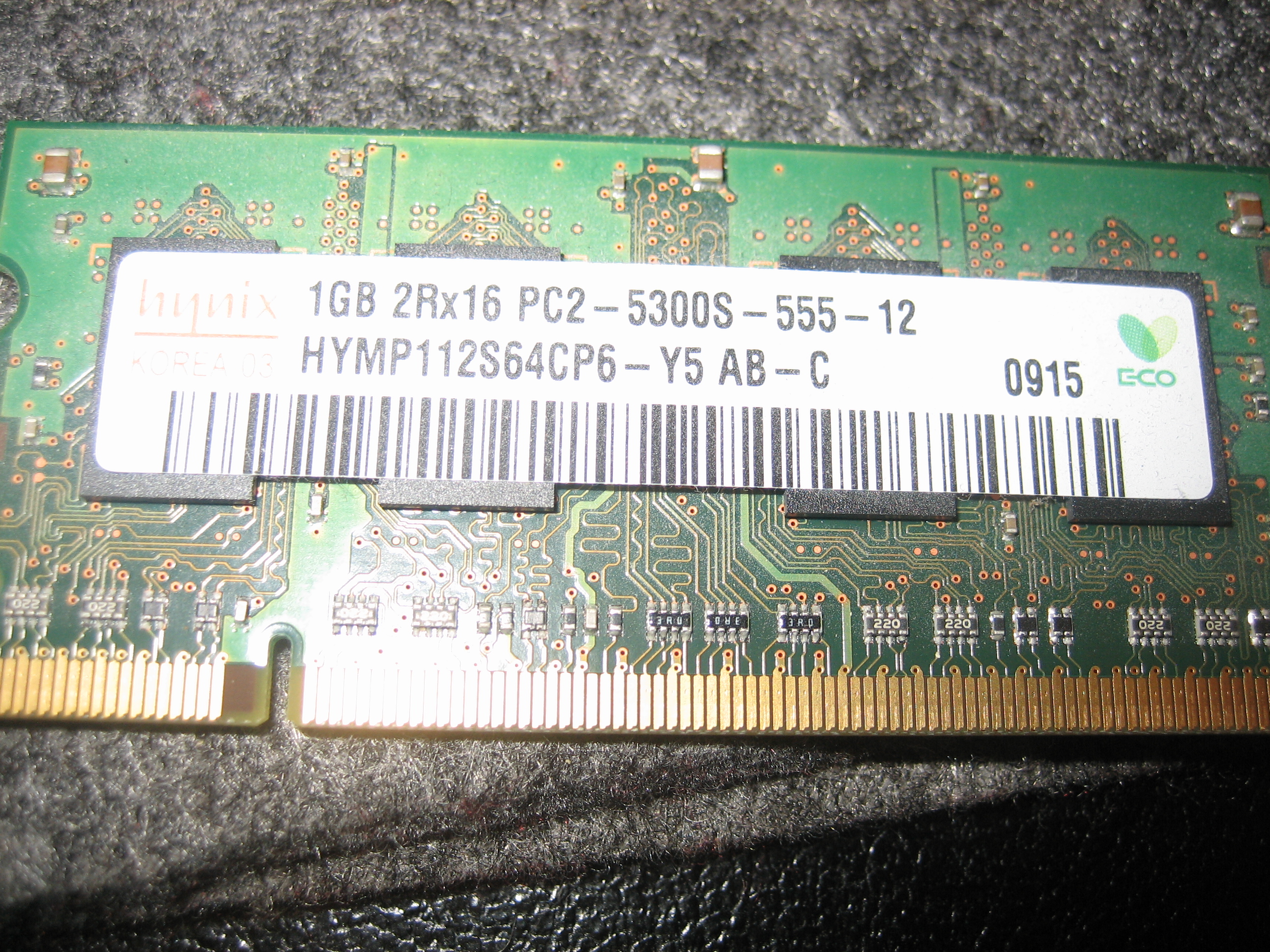
The semiconductor industry's long-standing hierarchy—where logic chips like processors and GPUs have always led production volumes—is being upended. For decades, logic chips commanded the majority of manufacturing capacity, but that dynamic has reversed. Memory chips, particularly DRAM and NAND flash, are now in higher demand than ever, outpacing logic chips for the first time in history.
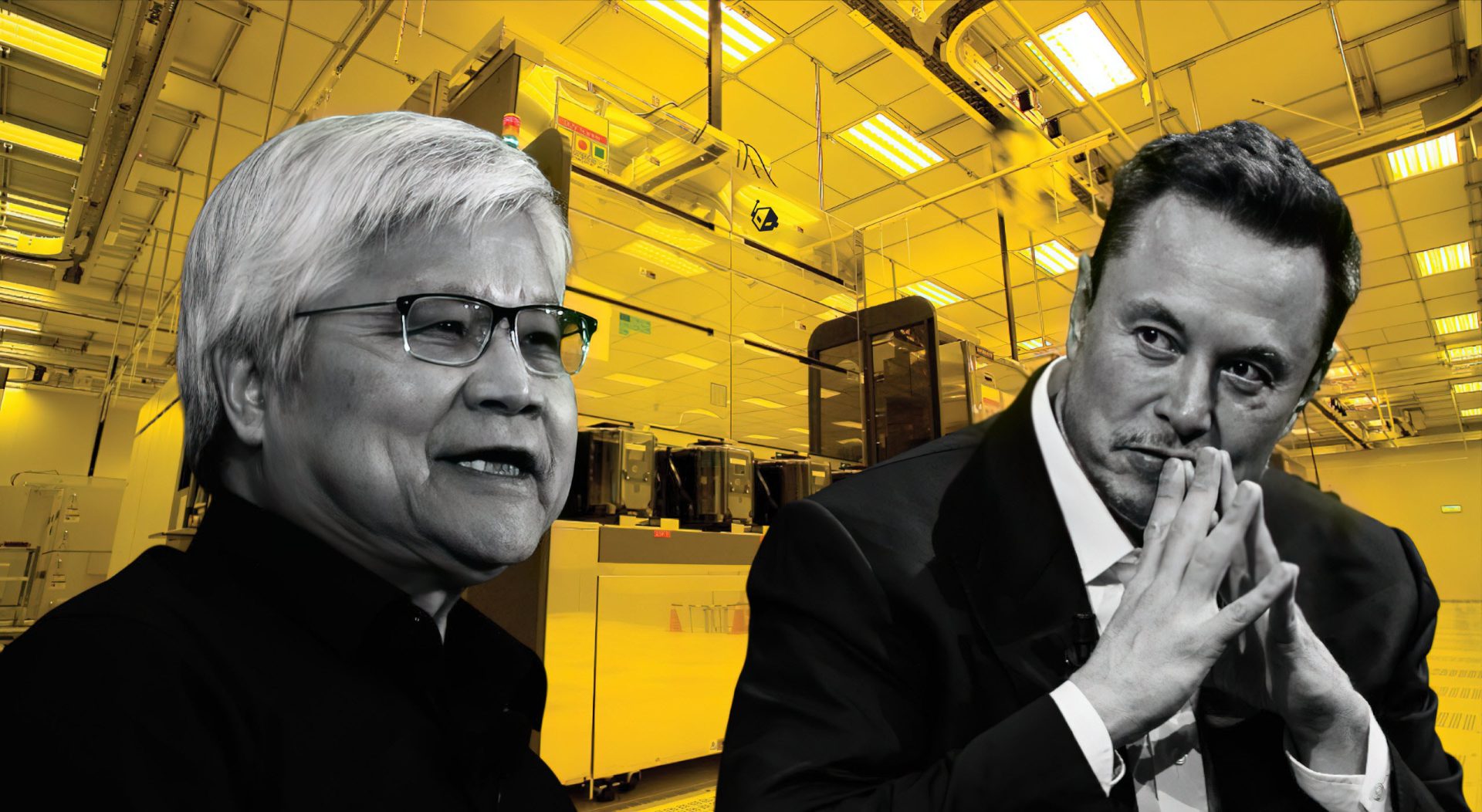
This seismic shift is not just a matter of market preference; it reflects deeper trends in data storage, AI workloads, and the relentless expansion of cloud infrastructure. The implications are far-reaching, particularly for manufacturers relying on extreme ultraviolet (EUV) lithography tools to produce the most advanced nodes. With DRAM and NAND makers scrambling to secure EUV slots—often at the expense of logic chip producers—the industry is navigating a period of unprecedented competition.
At the heart of this transformation lies the growing need for high-bandwidth memory (HBM) in AI accelerators, GPUs, and data centers. HBM stacks require precise patterning that only EUV lithography can deliver. Meanwhile, NAND flash—critical for solid-state drives (SSDs)—is also pushing the boundaries of density, further straining capacity on EUV machines. The result is a scramble among DRAM manufacturers to reserve production slots at ASML's EUV facilities, which are already stretched thin.
ASML, the Dutch company that dominates the EUV market with nearly 100% share, is now facing a surge in orders from memory chipmakers that rivals anything seen during the logic chip boom of recent years. The company's High-NA EUV machines, capable of even finer patterning for nodes below 5 nm, are particularly coveted. However, lead times for these machines—already long—are extending further as demand outstrips supply.
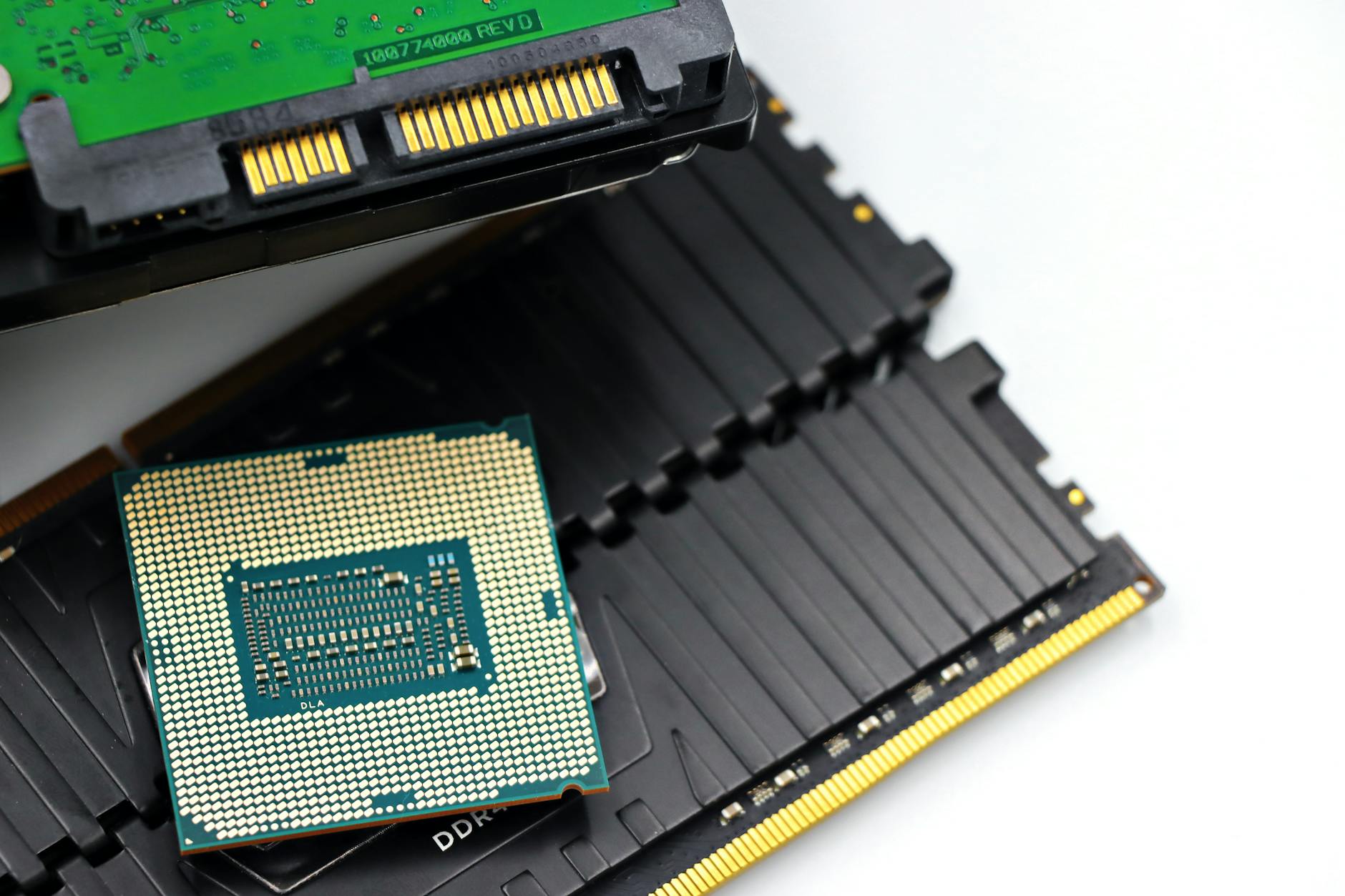
This shift is not without its challenges. DRAM manufacturers, accustomed to operating on tight margins, must now invest heavily in advanced process nodes to remain competitive. The cost of EUV tools alone can run into the hundreds of millions per unit, a far cry from older deep ultraviolet (DUV) lithography systems. Additionally, the transition to High-NA EUV introduces new complexities in yield and defect control, which could delay production ramp-up.
For logic chipmakers, the competition for EUV capacity means longer wait times and higher costs. Some are reportedly exploring alternative strategies, such as partnering with foundries or investing in in-house lithography capabilities to mitigate delays. Yet, the memory chip surge shows no signs of slowing, driven by the insatiable appetite for data storage in AI, edge computing, and consumer electronics.
What this means for the industry is a period of intense focus on operational efficiency and cost management. DRAM manufacturers, in particular, must balance the need for cutting-edge process nodes with the financial realities of a market where price wars are common. Meanwhile, ASML's ability to scale EUV production will determine how quickly the industry can adapt to this new demand landscape.
The road ahead will be shaped by three key factors: the pace at which High-NA EUV machines become available, the willingness of DRAM manufacturers to invest in next-generation nodes, and the broader economic conditions that could influence chip demand. The memory chip surge is more than a temporary blip—it signals a fundamental reordering of priorities in semiconductor manufacturing.