The Epic Games Store is preparing for a major evolution that could reshape the landscape of digital gaming. At the core of this transformation is Launcher version 2, which introduces substantial performance enhancements designed to rival the efficiency of Steam.
Cold-start launch times are expected to improve by five times, reducing the delay between opening the launcher and starting a game. Additionally, returning from the system tray to the game library could be up to six and a half times faster. These optimizations directly address one of the most common frustrations for users: the wait time before a game begins.
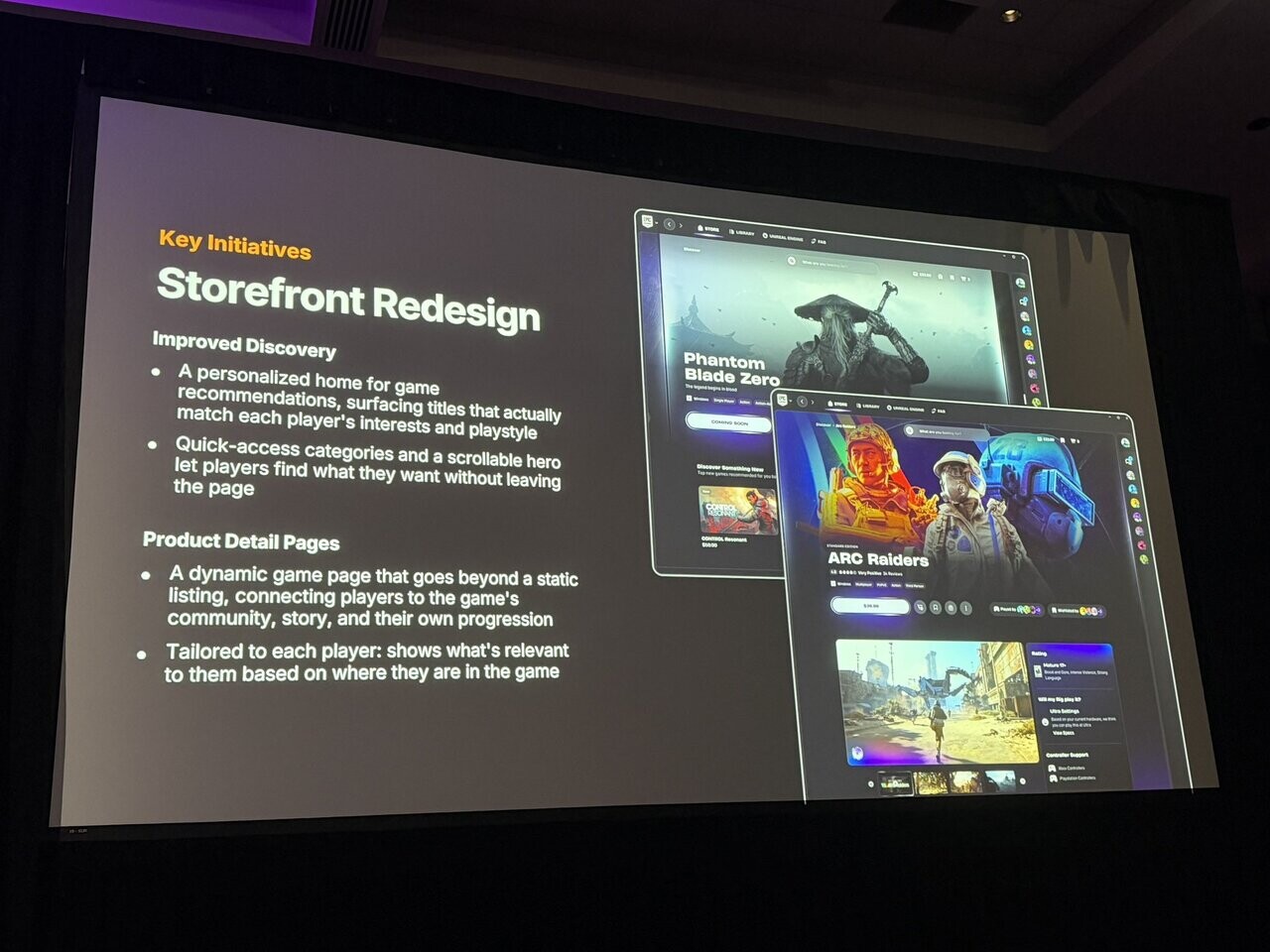
The storefront itself is being reimagined with personalization at its core. The home page will now adapt dynamically based on user preferences, featuring quick-access categories and a more engaging hero section. Product pages have also been overhauled to include narrative elements, community highlights, and even tracking of individual player progress. This shift reflects Epic Games' ambition to create a more immersive and interactive experience beyond traditional transactional platforms.
- Cold-start launch speeds improved by five times
- System tray return performance up to six and a half times faster
- Personalized home page with dynamic content
- Product pages now include narrative elements, community highlights, and progress tracking
The focus on performance is not just about convenience but also a strategic move to compete with Steam, which handles a similar volume of users in just two to three days. While the Epic Games Store has reached 78 million monthly active users, retention remains a challenge outside of promotional periods. The upcoming updates are part of a broader 12-month roadmap that includes private beta testing for Launcher V2 and native support for third-party patch notes.
Looking ahead, the roadmap includes additional features such as player profiles with avatars, user reviews, enhanced search functionality, publisher-funded coupons, and social tools like messaging, voice chat, and cross-game parties. These additions suggest Epic's goal of building a more comprehensive gaming ecosystem that transcends traditional storefronts.
For users accustomed to Steam's dominance, the changes present both an opportunity and a test. If these improvements are successfully implemented, the Epic Games Store could narrow the performance gap while offering a more engaging experience. However, its success will ultimately depend on whether these enhancements translate into sustained user engagement and a stronger competitive position against Steam.
The transformation of the Epic Games Store is still in progress, but with Launcher V2 leading the charge, it's evident that Epic is determined to redefine digital game distribution—one performance boost at a time.