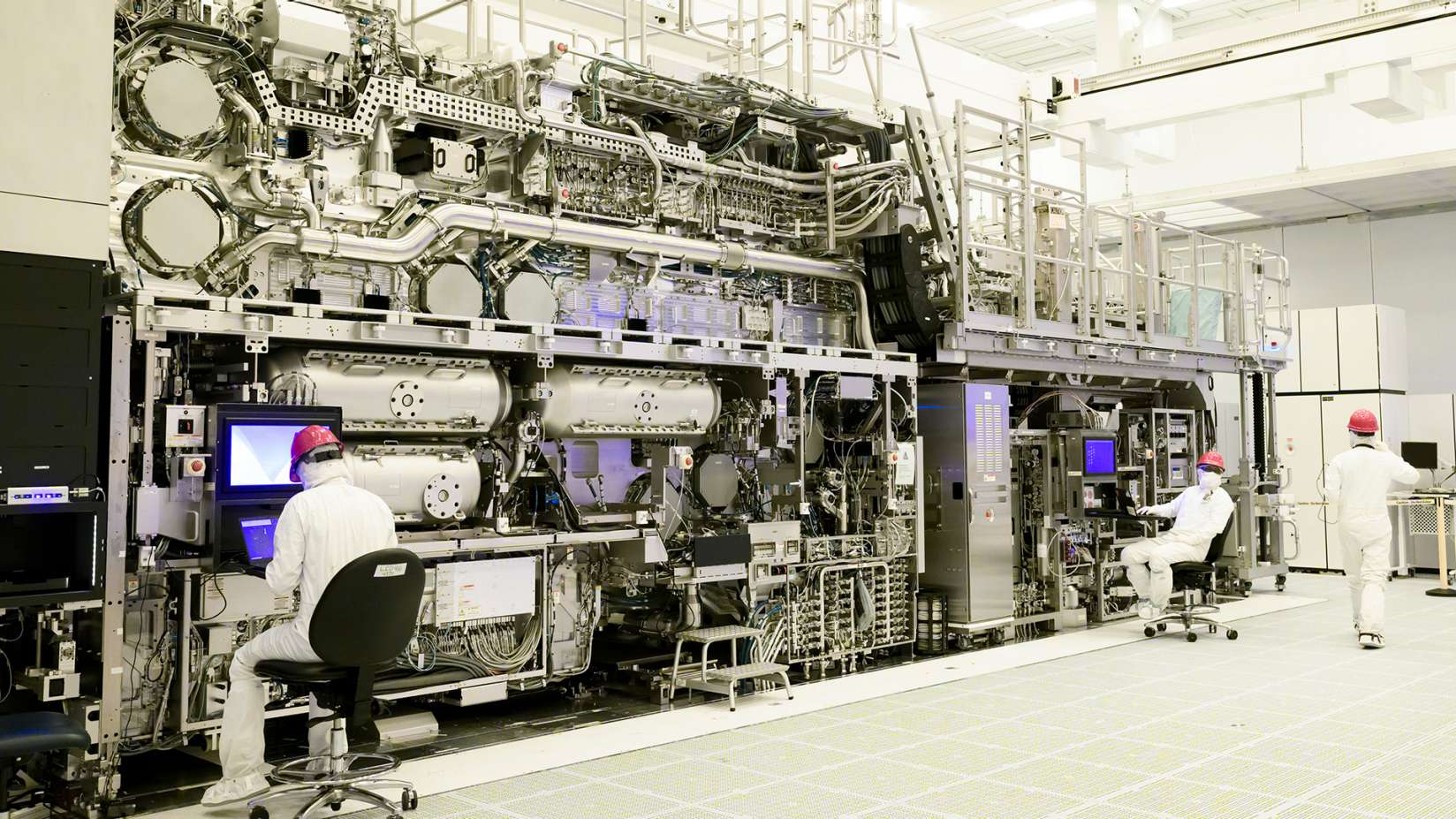
A critical shift in China’s memory chip strategy is unlikely to alleviate the persistent RAM shortage plaguing the tech industry. Industry experts suggest that while Chinese manufacturers are expanding production, their approach differs significantly from established foreign suppliers, raising concerns about whether they can fill the gap effectively.
RAM shortages have already forced PC builders and system integrators to adapt, with prices remaining elevated and availability unpredictable. The latest developments hint at a prolonged crunch rather than a quick resolution, leaving businesses and consumers alike scrambling for alternatives.
The core issue lies in how Chinese chipmakers are structuring their production pipelines. Unlike traditional suppliers that prioritize high-volume, standardized memory modules, China’s strategy appears more fragmented, with a stronger focus on niche applications and vertical integration. This could mean fewer off-the-shelf solutions for the global market, where demand for consistent, high-performance RAM remains strong.
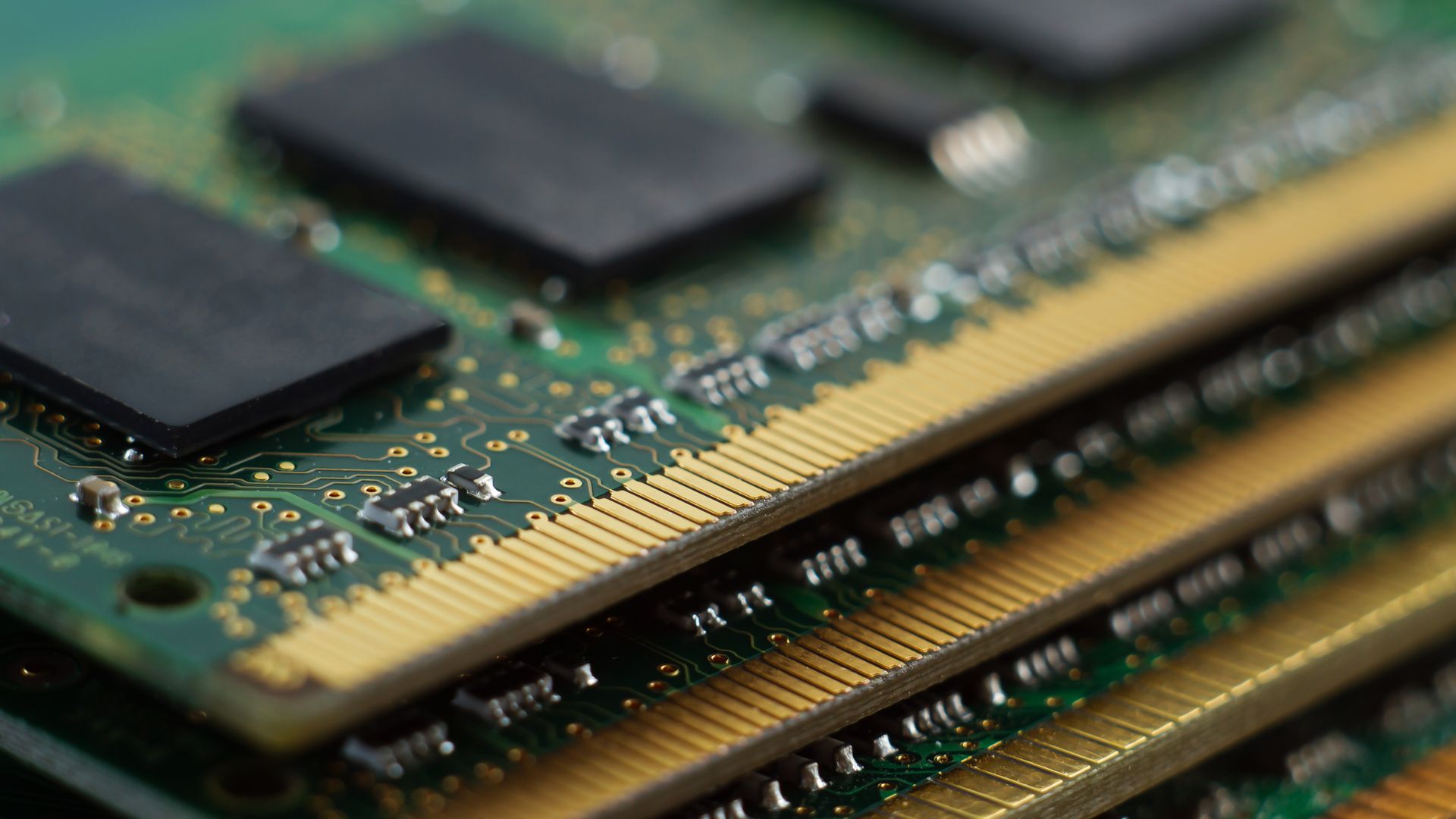
For PC builders, this translates to continued challenges in sourcing components. While some Chinese manufacturers are ramping up capacity, their output may not align with the needs of mainstream desktop and server markets. Industry insiders caution that without a more unified approach, the RAM crisis could deepen rather than ease.
The situation is further complicated by ongoing geopolitical tensions, which have disrupted established supply chains. Even if Chinese firms increase production, external factors—such as trade restrictions or shifts in demand—could undermine their ability to stabilize prices and availability.
Looking ahead, the outlook for RAM supply remains uncertain. While some progress may be seen in specific segments, such as embedded or specialized memory solutions, the broader market is likely to face sustained pressure. PC builders should brace for a period where RAM remains a critical bottleneck, with no immediate signs of relief on the horizon.