The landscape of PC building is changing, not because of a sudden surge in innovation, but because of a quiet shift in how consumers approach performance and cost. The latest generation of GPUs and CPUs has made it possible to pair older parts with new ones, creating a hybrid approach that balances power and price—though not without trade-offs.
At the heart of this trend is the realization that some components, once considered obsolete, can still deliver strong performance when paired with newer hardware. The challenge lies in determining which combinations work best and where compatibility risks might arise. For power users, this means a careful evaluation of whether an older CPU or GPU can handle modern workloads without becoming a bottleneck.
Key Details: What’s New and What’s Not
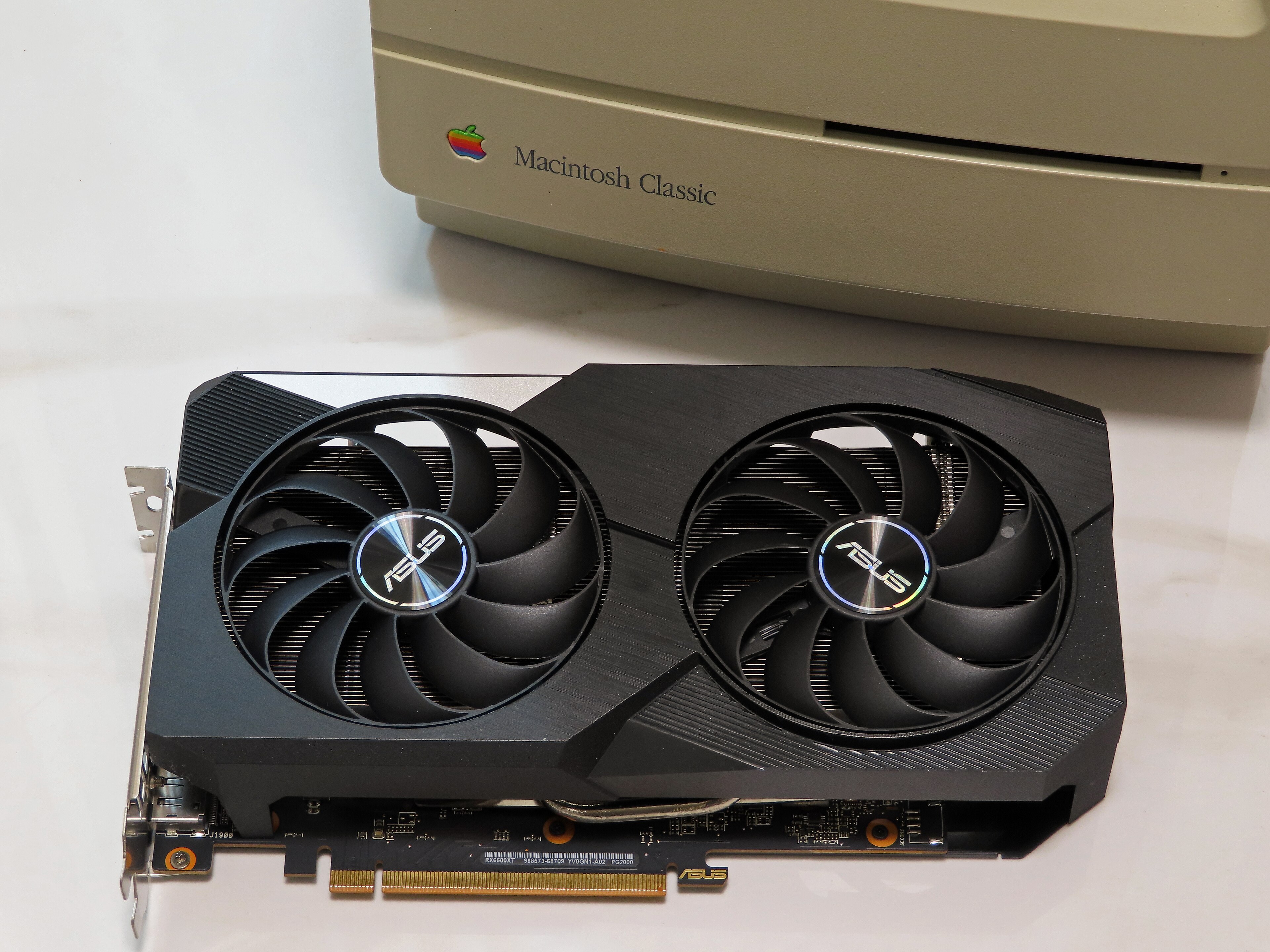
The latest lineup includes GPUs with significant improvements in efficiency and raw performance, but the real story is how they interact with existing CPUs. For example, some older CPUs that were once powerhouse choices for gaming or rendering are now being revisited by enthusiasts looking to stretch their budgets without sacrificing too much performance. The catch? Not all older parts play nicely with new GPUs, and some may require tweaks to the system’s architecture to avoid stability issues.
Why It Matters
For power users, this shift introduces both opportunities and pitfalls. On one hand, pairing an older, high-core-count CPU with a new GPU can deliver strong multi-threaded performance for tasks like video editing or 3D rendering. On the other, some newer GPUs may not fully utilize older CPUs, leading to underwhelming results in certain scenarios. The key question is whether the savings from using an older part justify the potential loss in performance or compatibility.
The bigger picture suggests that PC building is becoming more flexible, but also more nuanced. Enthusiasts who once followed a strict 'newer is always better' approach now face a more complex decision-making process. The future of PC building may lie in a hybrid model, where older and newer parts coexist to deliver the best balance of performance and cost.