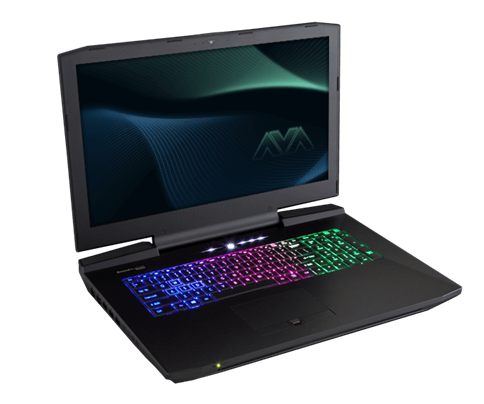
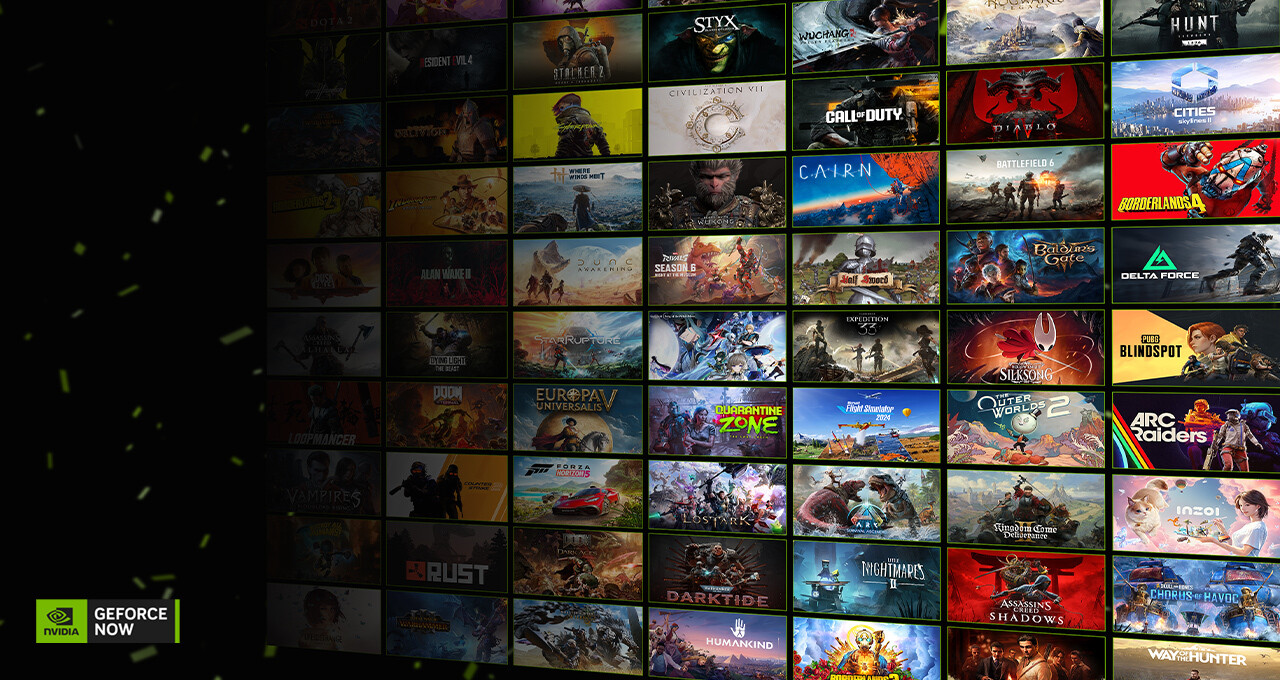
Sony’s decision to stop developing PC ports for single-player games represents a significant shift in its game distribution strategy. Moving forward, first-party titles like God of War, Spider-Man, and other major exclusives will no longer be available on PCs unless they are designed with cross-platform support from the beginning.
The change reflects Sony’s growing emphasis on console exclusivity, even for games that do not rely on online features or live services. This consolidation within its gaming ecosystem aims to simplify development processes while prioritizing PlayStation hardware. For developers, this means eliminating the need to optimize single-player experiences for multiple platforms, reducing compatibility challenges and streamlining production timelines.
From a technical perspective, the shift removes logistical hurdles such as piracy concerns or regional pricing inconsistencies that often complicate multi-platform releases. However, the trade-off is clear: PC gamers who prefer non-console setups will lose access to Sony’s first-party single-player titles unless they are explicitly developed for cross-platform compatibility.
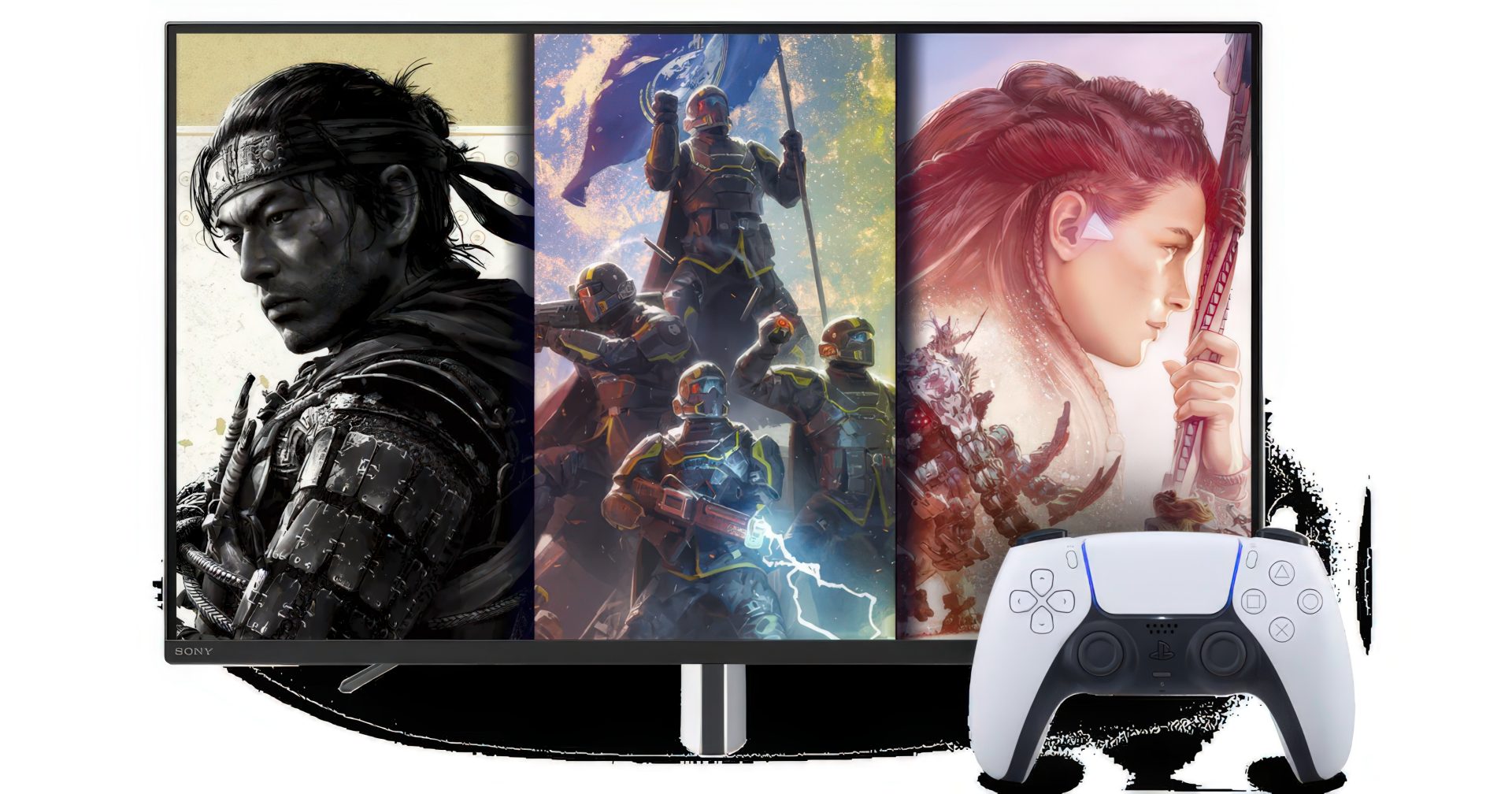
For IT teams managing gaming libraries, this change could simplify procurement strategies by removing the need to account for PC ports of Sony’s exclusives. However, it may also limit flexibility for organizations that rely on multi-platform support or prefer non-console hardware configurations. The practical impact for users is straightforward—if a Sony single-player game isn’t designed with PC in mind, it won’t be released there.
Sony remains committed to multi-platform support for games that leverage online features or live services, such as those within the PlayStation Plus ecosystem. But for single-player experiences, the focus will remain firmly on console exclusivity. This means future releases will prioritize PlayStation hardware, potentially leaving PC gamers without access unless cross-platform development is a priority from the outset.
The industry-wide implications of this shift are still unfolding. While Sony’s move may streamline development and reduce complexity for developers, it also raises questions about accessibility for non-console players. Whether this strategy proves to be a strategic advantage or disadvantage remains to be seen, but one thing is certain: Sony’s gaming ecosystem will become more console-centric, with fewer compromises for multi-platform releases.