The Switch 2’s launch was built on a promise: better performance, more power, and a seamless experience whether you’re playing on the go or docked at home. But for small businesses investing in the console to streamline operations—think retail kiosks, training simulations, or inventory management—the reality has been uneven.
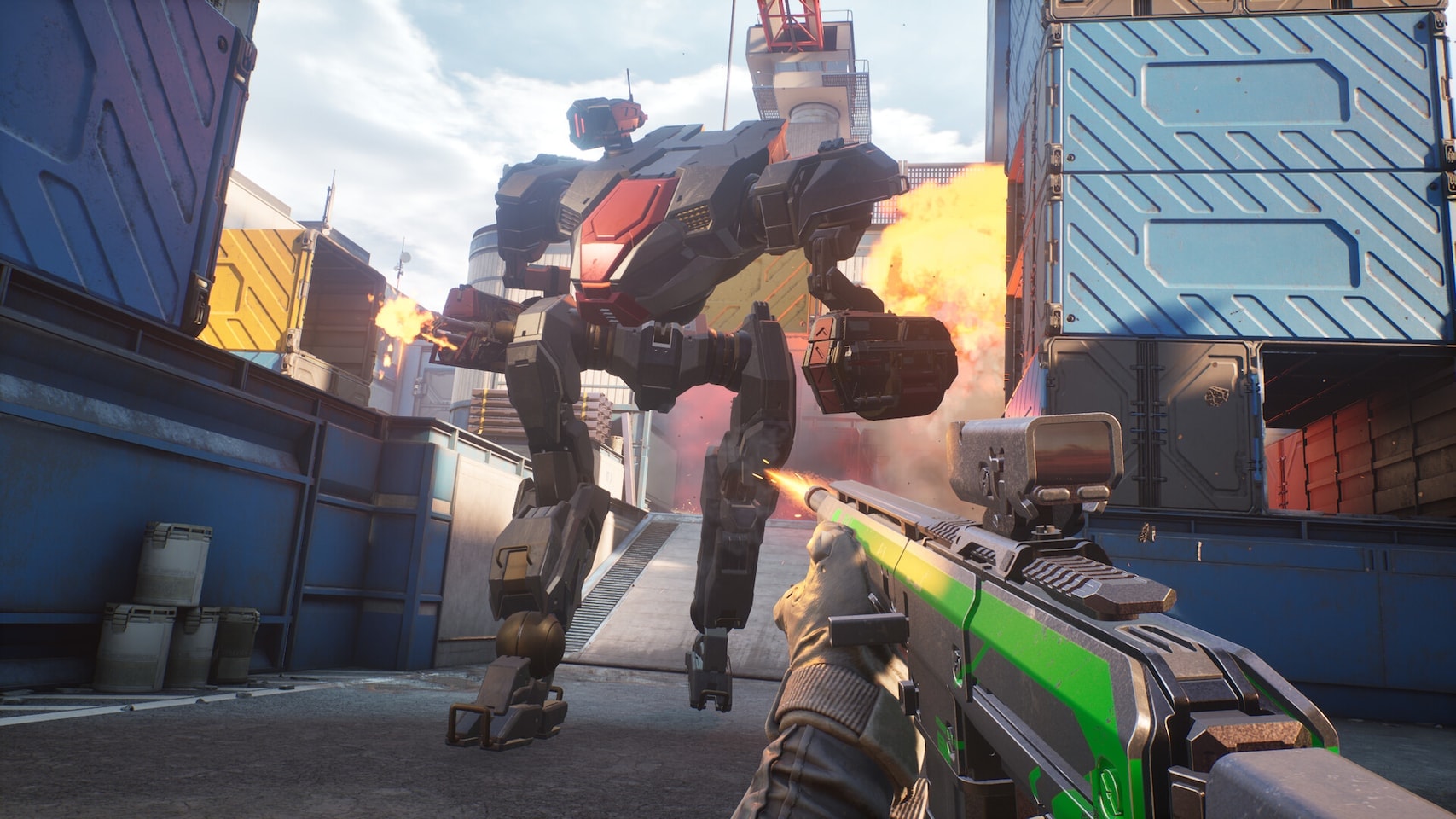
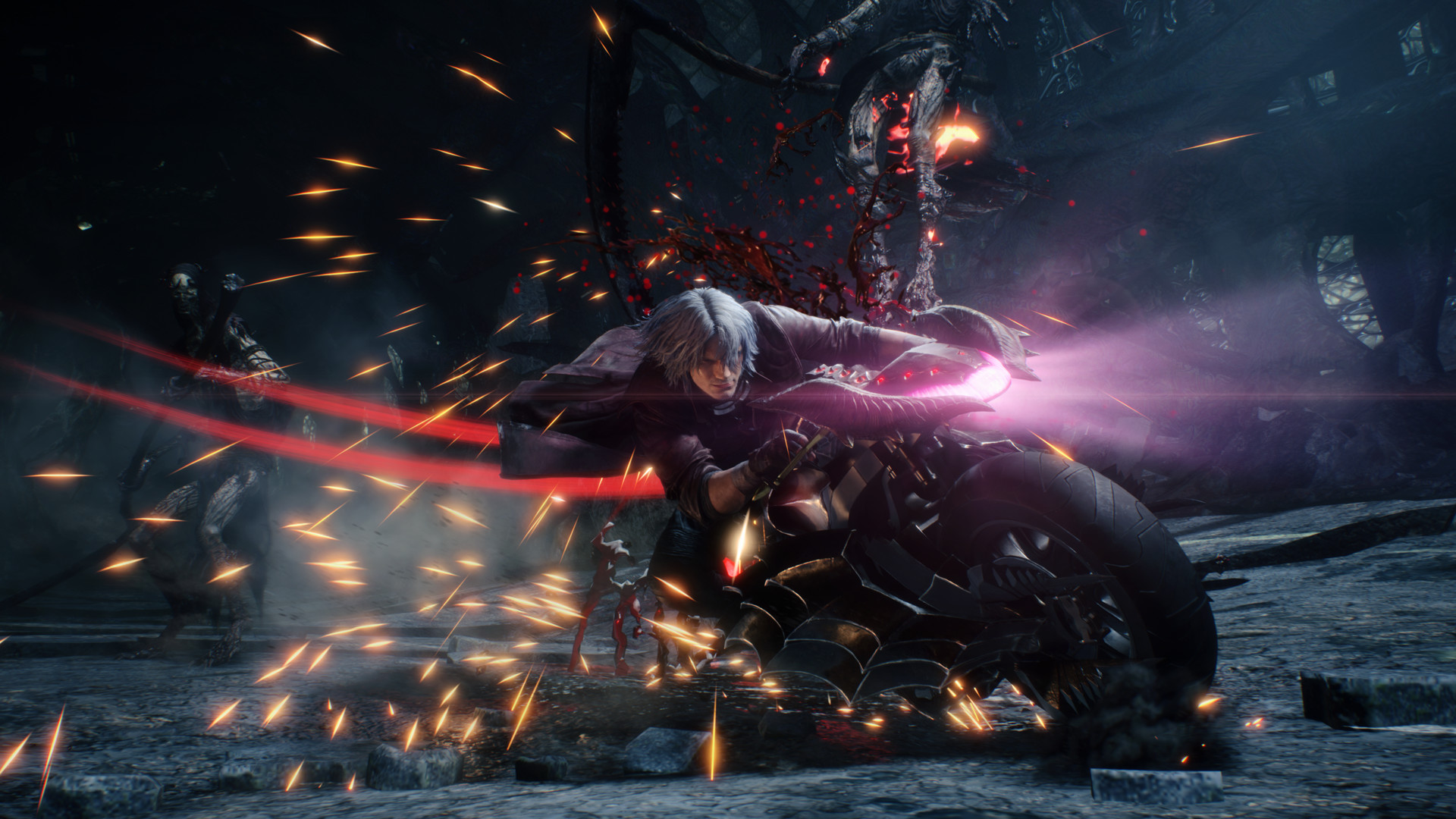
Now, Capcom’s Devil May Cry 5 has taken that promise to its absolute limit, squeezing out every ounce of graphical fidelity and processing power the hardware can muster. The result isn’t just a visually stunning showcase; it’s a stress test for Nintendo’s design choices, exposing where the Switch 2 excels and where it still stumbles—particularly when it comes to docked performance.
Why Devil May Cry 5 Matters
The game’s development timeline mirrors the Switch 2’s own evolution. Originally conceived for the original Switch, Capcom decided to rework it for the newer console after Nintendo announced its improved hardware in late 2023. That decision wasn’t just about better visuals; it was about pushing the boundaries of what the system could handle without sacrificing performance.
Key to that push is the Switch 2’s NVIDIA T239 GPU, which delivers up to 4K output when docked—a feature that, on paper, should have been a game-changer for businesses needing high-resolution displays. But in practice, the dock itself has remained a sore spot. Reports from developers and retailers suggest that the Switch 2’s dock can sometimes struggle with sustained high-performance tasks, leading to thermal throttling or input lag—problems that could be critical for applications like point-of-sale systems or training simulators.
What Changed Under the Hood
The Switch 2’s hardware upgrades are incremental but meaningful. It swaps out the original’s NVIDIA T184 GPU for a more powerful model, adds faster LPDDR5 RAM (up from 4GB to 6GB), and includes a custom CPU with improved single-thread performance. These changes were designed to support not just games but also productivity workloads, such as running multiple high-resolution windows or handling complex simulations.
Yet, the devil is in the details. While the Switch 2 can output 4K at 60Hz when docked, achieving that consistently requires careful optimization—something Capcom had to account for in Devil May Cry 5. The game’s developers reportedly spent months fine-tuning textures, lighting, and physics to ensure smooth performance across all scenarios. This level of effort is rare outside AAA titles, making it a benchmark for how other software—especially business applications—might need to adapt.
For small businesses, the takeaway isn’t just about visuals. It’s about whether the Switch 2 can reliably handle the demands of modern workflows without sacrificing stability. The dock’s limitations, while not dealbreakers for casual gaming, could pose challenges in professional settings where uptime and responsiveness are critical.
So where does that leave buyers today? The Switch 2 remains a capable hybrid system, but its true potential is still constrained by hardware design choices that predate its more powerful internals. For businesses weighing their options, the message is clear: if you need high-performance docked functionality, the Switch 2 is a step forward—but not yet a leap ahead.