The Crimson Desert skill system doesn’t just track progression—it reshapes how players engage with every decision. Traditional RPGs often treat skill scaling as a gradual climb, but Crimson Desert introduces deliberate friction that turns progression into a strategic puzzle. Players must navigate not only the unlocking of new abilities but also the ever-shifting constraints of resource management and cooldown dynamics. This isn’t just about becoming stronger—it’s about learning to move efficiently within the system’s rules.
At the core of this design is an adaptive cooldown mechanism that reacts to player behavior rather than enforcing rigid timers. A skill with a base 30-second cooldown, for example, can shrink to 25 seconds if the player maintains a steady resource flow but stretches to 40 seconds if they overcommit to a single ability. This creates a feedback loop where players must constantly recalibrate their approach, ensuring that no strategy remains static. The system punishes recklessness but also rewards foresight—whether by chaining skills to minimize downtime or by investing in abilities that reduce cooldowns entirely.
The tiered structure further deepens this complexity. Skills are divided into three tiers: Foundational, Specialized, and Mastery. Foundational skills serve as the bedrock, offering broad utility without demanding advanced resource management. Specialized skills, however, introduce niche advantages—higher damage output, faster resource regeneration—but at a cost. A player might unlock a Specialized healing skill that restores 40% health but carries a 15-second cooldown, forcing them to time its use carefully to avoid vulnerability. These tradeoffs ensure that players can’t simply spam powerful abilities; they must think ahead.
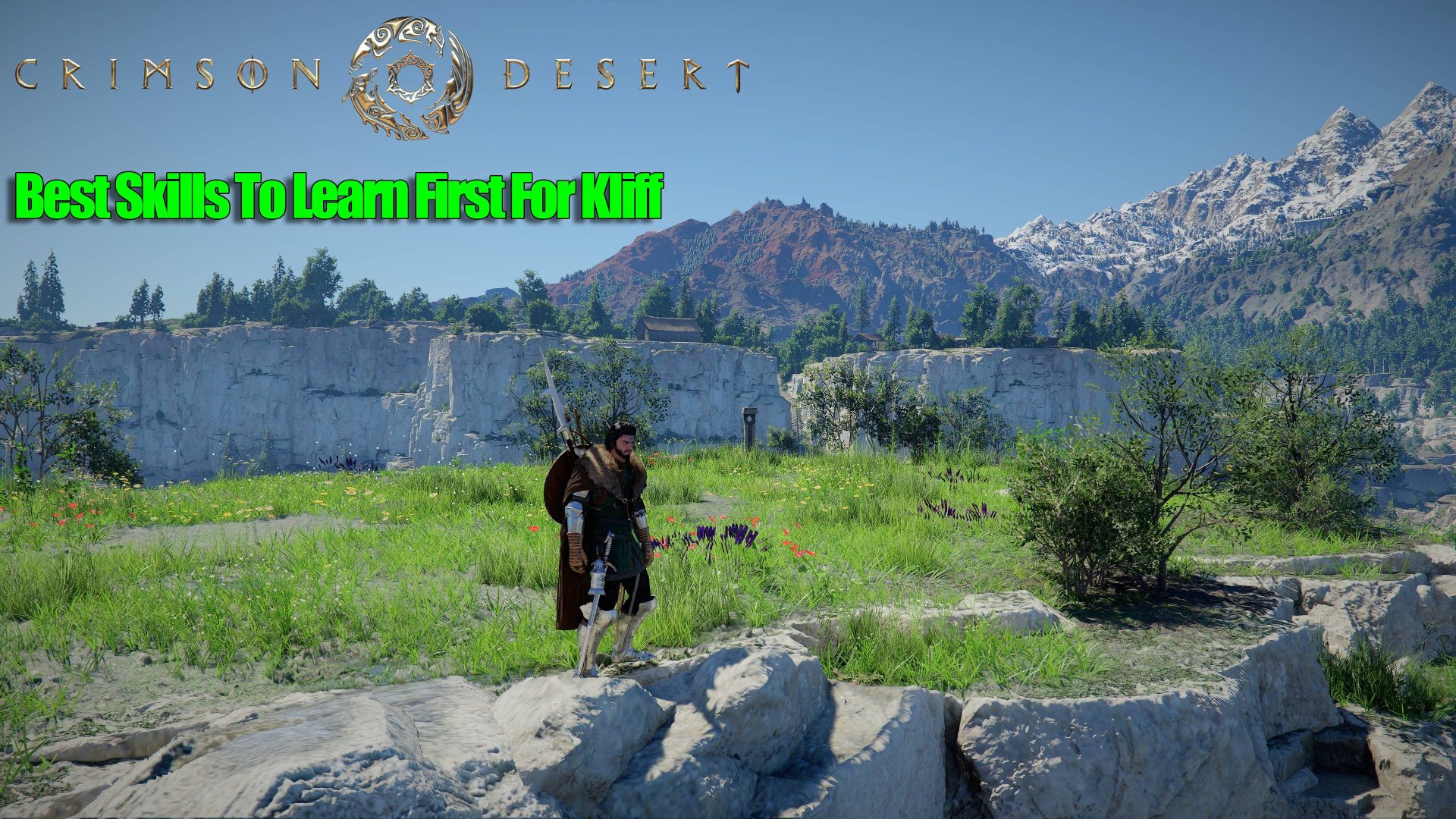
Mastery skills, the pinnacle of the system, redefine how players approach combat and exploration entirely. Reserved for late-game, these abilities often alter fundamental mechanics—such as granting temporary immunity to a resource’s depletion or allowing skills to be used twice in quick succession. But accessing them requires a strong foundation in lower-tier skills, ensuring that players who rush into Specialized abilities early will find themselves overwhelmed by cooldown management. The system is designed to reward patience and adaptability, not brute-force progression.
A practical example demonstrates this balance: a player relying on a Foundational healing skill that restores 20% health per use with no cooldown might initially feel unrestricted. However, switching to a Specialized healing skill that restores 40% but introduces a 15-second cooldown forces them to rethink their strategy entirely. They must now predict when they’ll need the larger heal and time it accordingly, or risk leaving themselves exposed. The system doesn’t just challenge players—it provides tools to mitigate those challenges, such as buffs that reduce cooldowns or debuffs that extend resource generation, ensuring that every decision feels meaningful.
For creators navigating this system, the key lies in recognizing where efficiency meets customization. Players who prioritize unlocking Specialized skills too early may find themselves bogged down by cooldown management, while those who master Foundational skills first build a more stable foundation for later upgrades. The Mastery tier acts as both a reward and a test—offering abilities that can reshape entire playstyles but only if the player has earned them through deliberate progression.
Looking ahead, Crimson Desert’s skill system sets a new standard for how RPGs can blend mechanical depth with strategic workflows. It challenges players to think dynamically, rewarding those who adapt rather than those who follow a linear path. The result is a system that feels both challenging and rewarding, where every choice carries weight without sacrificing flexibility—ushering in a new era of RPG design.