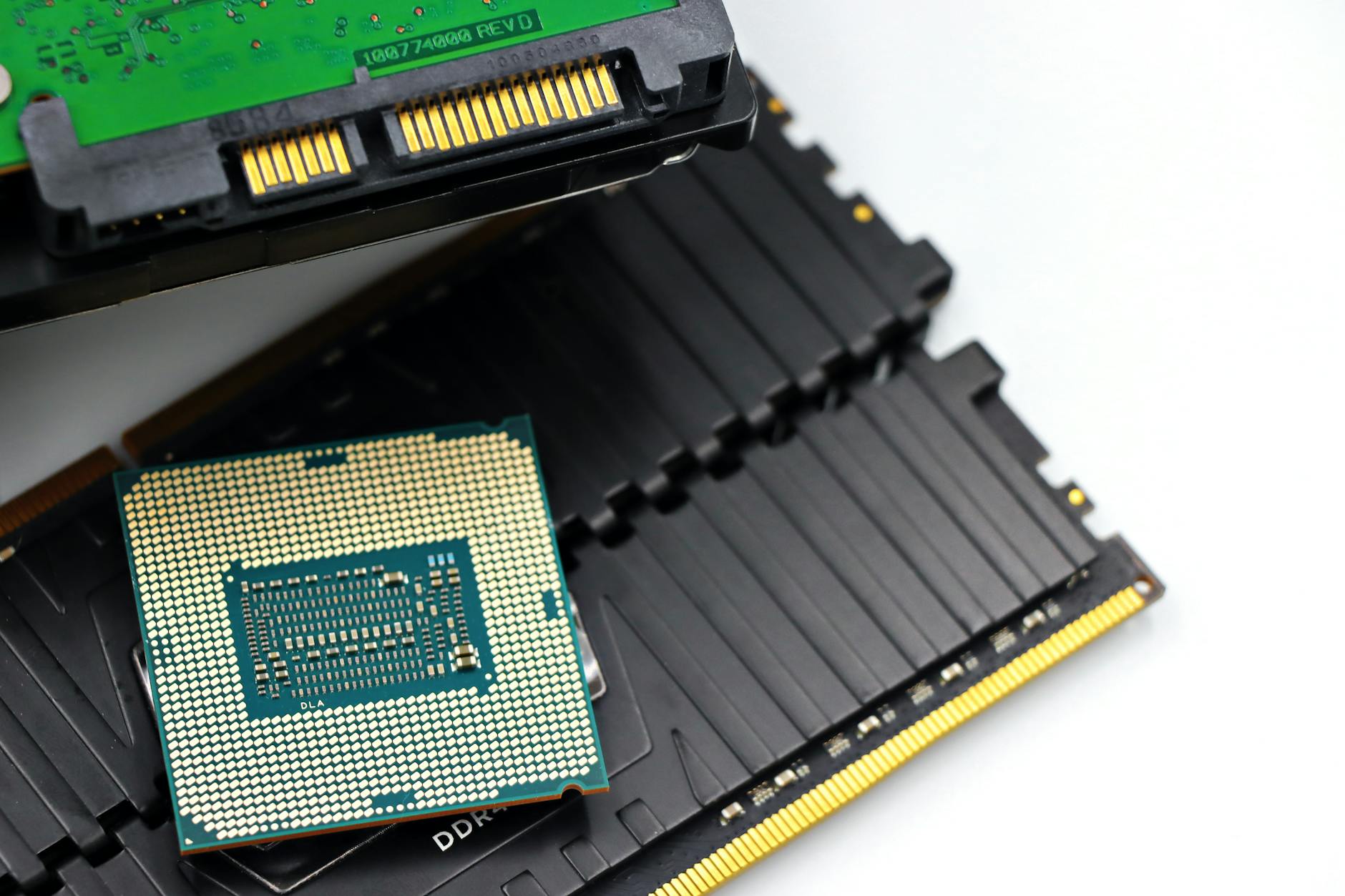
Intel’s 14A node is entering mass production with urgency, not just innovation. The move aims to lock in major customers before competitors deepen their lead, but for those building high-end systems, the transition carries hidden costs.
The 14A process, an intermediate step between 12A and 3nm, is ramping faster than expected, targeting late-year availability. While not the most advanced node, it offers a balance of performance and yield that appeals to data-center providers and OEMs. However, power users—those who demand cutting-edge specs without compromise—must weigh the risks of adopting early hardware against the promise of better efficiency.
Why 14A Matters Now
The semiconductor industry’s shift toward smaller nodes has left Intel playing catch-up. TSMC and Samsung are already sampling 3nm chips, but Intel’s focus on 14A reflects a pragmatic approach: prioritize stability over bleeding-edge tech. This strategy could secure contracts from customers hesitant to jump to newer, unproven processes.

- Higher transistor density than 12A, with better power efficiency.
- Targeted for data-center CPUs and GPUs, not consumer chips yet.
- Risks include limited scalability if demand outpaces supply.
A Risky Transition
The real challenge lies in compatibility. Systems built around 14A chips may struggle with existing software stacks or future-proofing. For power users, this means choosing between immediate performance gains and long-term flexibility. If Intel’s timeline slips—even by a few months—the window for early adoption narrows sharply.
How It Compares
Against TSMC’s 3nm or Samsung’s 4nm, 14A is neither the fastest nor the most efficient. But it avoids the yield headaches of extreme nodes while delivering tangible improvements over 12A. The trade-off? Less margin for error in high-performance designs.
The Bigger Picture
Intel’s push for 14A isn’t just about chips—it’s about ecosystem control. By securing key customers now, the company aims to stabilize its position before competitors dominate next-gen infrastructure. For power users, this means closer attention to roadmaps and vendor lock-in risks. The choice is clear: embrace early gains or wait for a node that may never arrive.