Qualcomm’s recent moves—expanding custom chip design for ByteDance and acquiring Modular—suggest a strategic pivot that could reshape the mobile ecosystem. While the company has long been a leader in reference designs, this shift toward deeper integration with key partners introduces new dynamics.
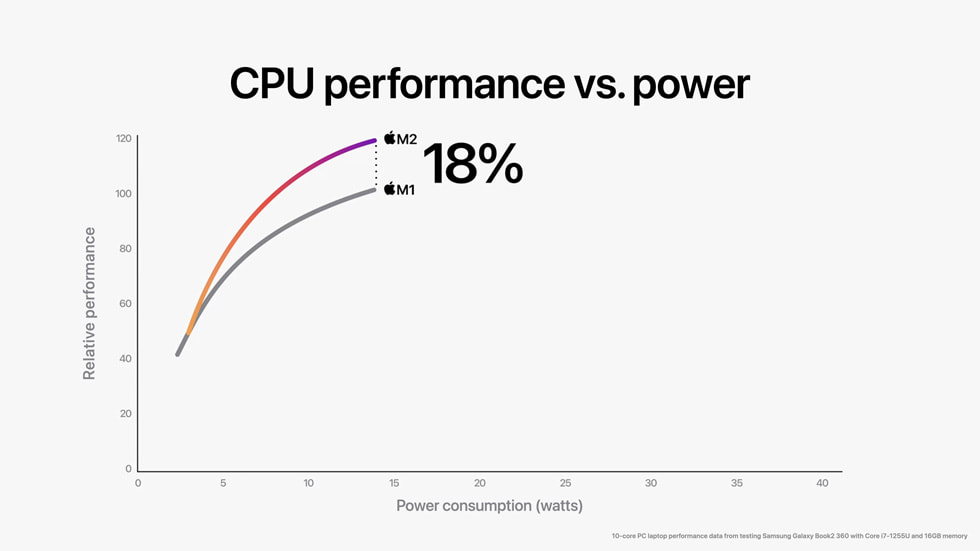
One common assumption is that such partnerships will lead to immediate performance gains for end users, particularly in thermal efficiency and power management. However, the real impact may be more nuanced. Custom chip solutions, while beneficial for large-scale deployments like those seen in ByteDance’s infrastructure, are less likely to translate directly into faster or cooler devices for small businesses. The focus here is on optimizing hardware at scale rather than addressing niche needs.
The acquisition of Modular adds another layer to this strategy. Modular’s platform technology promises more flexible device assembly and potential upgrades, but its effectiveness will depend on how Qualcomm integrates it with existing systems. For small businesses, the promise of modularity often includes easier hardware iterations and better thermal performance under load—key factors in environments where compute demands fluctuate. Yet, without clear timelines or implementation details, the extent of these benefits remains speculative.
At its core, Qualcomm’s approach seems to balance two priorities: maintaining its stronghold in premium mobile chips while exploring modular infrastructure. The challenge lies in determining whether this dual strategy will deliver tangible improvements for small businesses or remain confined to high-end markets. If successful, unified compute could extend beyond mobile into edge computing, but the pace of adoption is uncertain.
The real test will be how quickly these changes filter down from large-scale partnerships to more accessible hardware. For now, small businesses should monitor developments in modular adoption, as this could set the stage for more efficient systems in the future. If Qualcomm can bridge the gap between custom solutions and broader industry needs, the ripple effects could be substantial—but the journey is just beginning.