The Asus PA40SU stands out as a practical solution for users seeking the performance of 40Gbps NVMe SSDs without the usual complexity. Unlike many enclosures that prioritize speed alone, the PA40SU focuses on simplicity, making it suitable for both desktop and server environments.
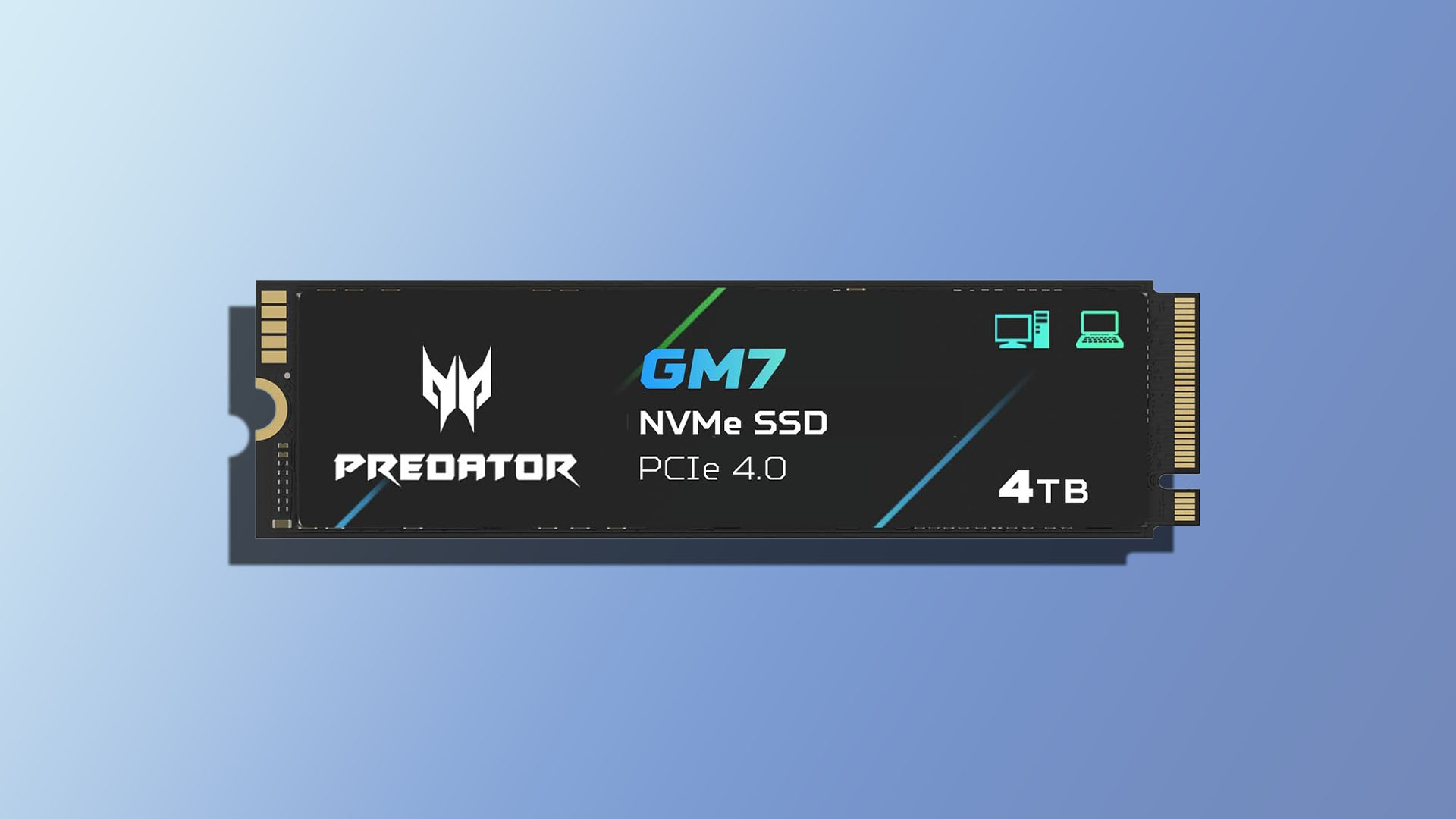
This enclosure features a 2.5-inch M.2 NVMe slot compatible with PCIe 5.0 and PCIe 4.0 SSDs. When paired with compatible drives, it delivers sustained read speeds up to 7,000 MB/s and write speeds around 6,800 MB/s—figures that rival high-end workstation setups. However, actual performance will vary depending on the SSD used.
Measuring just 175 x 89 x 26 mm, the PA40SU is designed to fit seamlessly into tight spaces without compromising functionality. Its compact form factor makes it ideal for desktops or server racks, but its true advantage lies in its simplicity. Asus has eliminated the need for tools during installation, allowing users to snap the enclosure together effortlessly and integrate it into existing systems with minimal hassle.
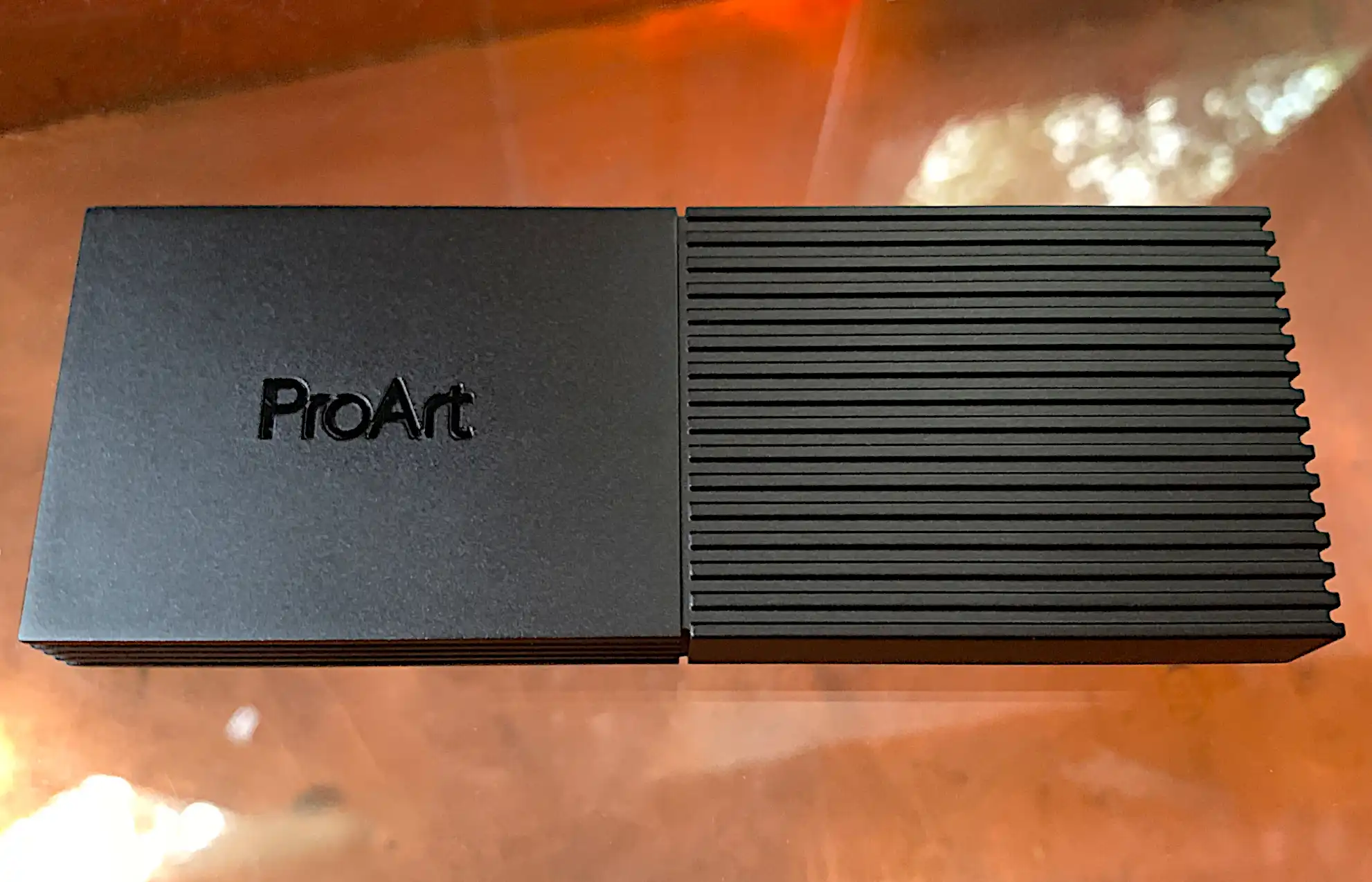
Despite its speed, the PA40SU is not without limitations. Its 40Gbps capability depends entirely on the SSD being used, as not all NVMe drives currently support PCIe 5.0. Additionally, while the hardware is future-proof, software and operating system support for such high speeds remains inconsistent. This means users may not experience the full potential of the enclosure unless their entire system can handle 40Gbps connectivity.
For most consumers, a 40Gbps enclosure like the PA40SU is unnecessary, as PCIe 4.0 or even PCIe 3.0 setups would suffice for everyday tasks. The PA40SU is clearly aimed at professionals—video editors, data analysts, or high-resolution media workers—who demand the best in storage performance. However, its niche appeal means it may not see widespread adoption until broader ecosystem support matures.
The success of the PA40SU will depend on two critical factors: the adoption rate of PCIe 5.0 SSDs and the development of a robust software ecosystem to support such high-speed storage. If these barriers are overcome, the enclosure could become a standard tool for professionals pushing the limits of data transfer speeds. For now, it remains a high-end option for those willing to invest in cutting-edge technology while monitoring compatibility and practicality.