Smart homes no longer require deep pockets. A growing selection of useful gadgets—sensors, switches, locks, and lighting controls—now sits below $100 each, yet their long-term value hinges on how well they integrate into existing setups rather than just their upfront price.
What’s changing
The shift toward lower-cost smart home hardware reflects both supply-chain adjustments and a maturing market. Where once a basic motion sensor or door lock could stretch past $150, today’s models cluster around $40–$80 while delivering similar core functions: remote monitoring, voice activation, and basic automation.
Key specs at this price tier
- Motion sensors: 915 MHz or 2.4 GHz radio, battery life 6+ months, range up to 30 ft.
- Smart switches: 15 A rated, works with Zigbee/Z-Wave, dimming range 1–100 %.
- Door locks: Keypad + smartphone app, Bluetooth LE fallback, no cloud subscription required.
- Lighting controls: 6 kW max load, color temperature 2700 K–4000 K, scene presets.
A notable pattern is the move away from proprietary ecosystems. Devices that once locked buyers into a single brand now often support multiple hubs—Zigbee or Z-Wave—allowing users to mix and match without future compatibility worries.
Context: the tradeoff
Lower price does not always mean lower quality, but it does narrow the feature set. Budget sensors, for example, may skip advanced analytics like occupancy counting, while smart switches might lack energy-monitoring feedback that mid-tier models include. The real decision point becomes workload-specific: can a $60 sensor handle both motion detection and temperature logging without drifting from the hub? Enterprise buyers in particular must audit whether these devices meet internal IoT security policies before bulk adoption.
Pricing is also regional, with some regions seeing drops faster than others due to local supply chains. A device listed at $79 in one market may appear at $59 elsewhere without a change in specs—something procurement teams need to track closely when sourcing internationally.
The implications
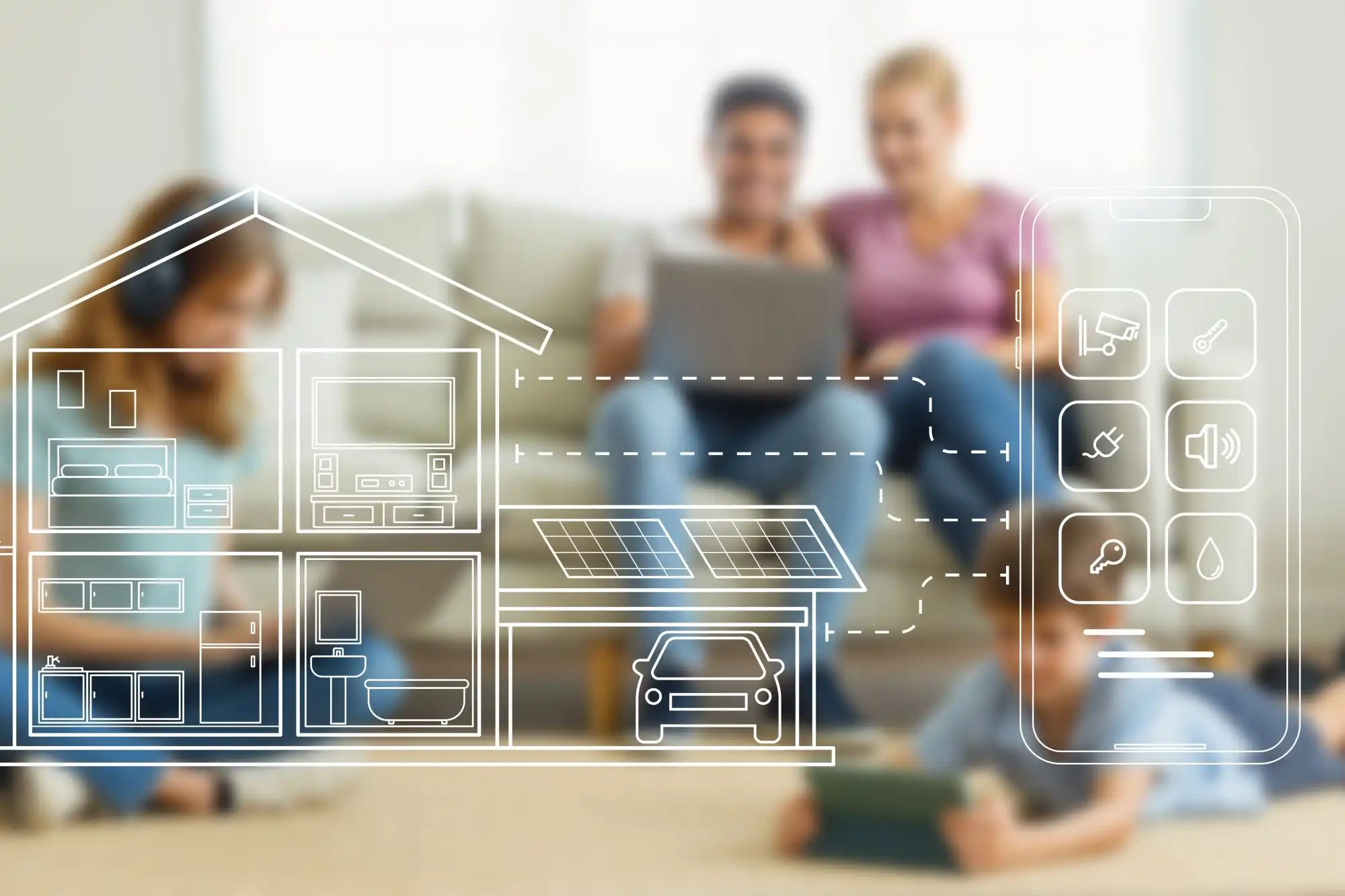
For end users, the practical benefit is clear: smart homes are no longer an aspirational luxury. A single room can now be wired with motion sensors, a lock, and lighting for under $300—well within typical renovation budgets. Yet the risk lies in fragmented compatibility; if each device uses a different radio protocol or requires its own cloud account, the convenience quickly fades.
Enterprises face a tighter calculus: while cost savings are real, IT departments must ensure that budget devices still meet compliance standards for data handling and network resilience. A $45 switch may save thousands on procurement, but if it lacks firmware-over-the-air updates or proper encryption, the total cost of ownership can spike later.
What’s confirmed and what’s unknown
Confirmed: battery life has improved noticeably—most sensors now last 12–18 months instead of 6. Confirmed too is the convergence on standard protocols; Z-Wave and Zigbee are now table stakes, not differentiators.
Less clear is how long these price points will hold. Supply-chain volatility can push costs up overnight, while new entrants may undercut current leaders. Buyers should watch for batch pricing discounts on multi-packs, which often appear when inventory surges.