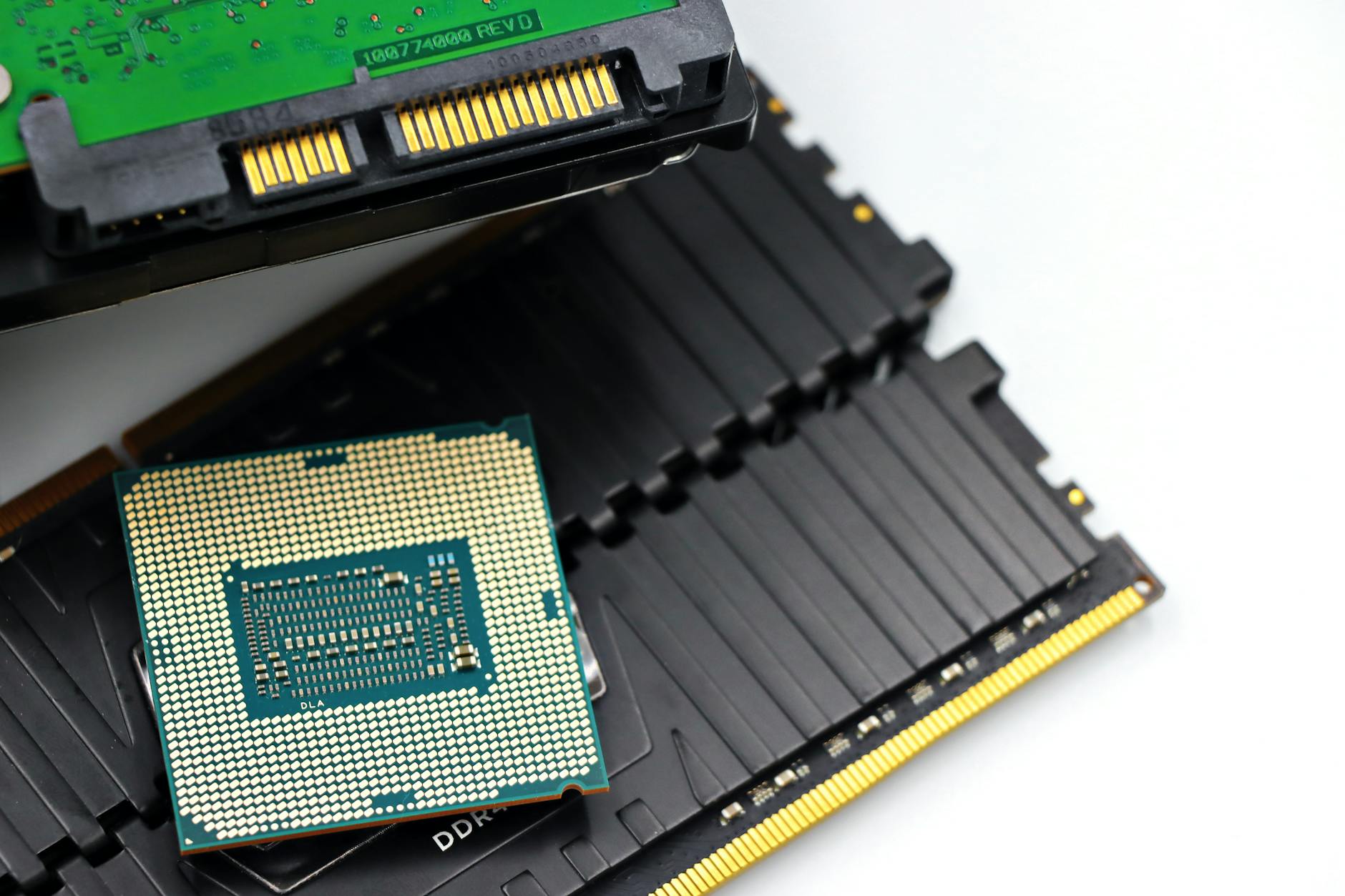
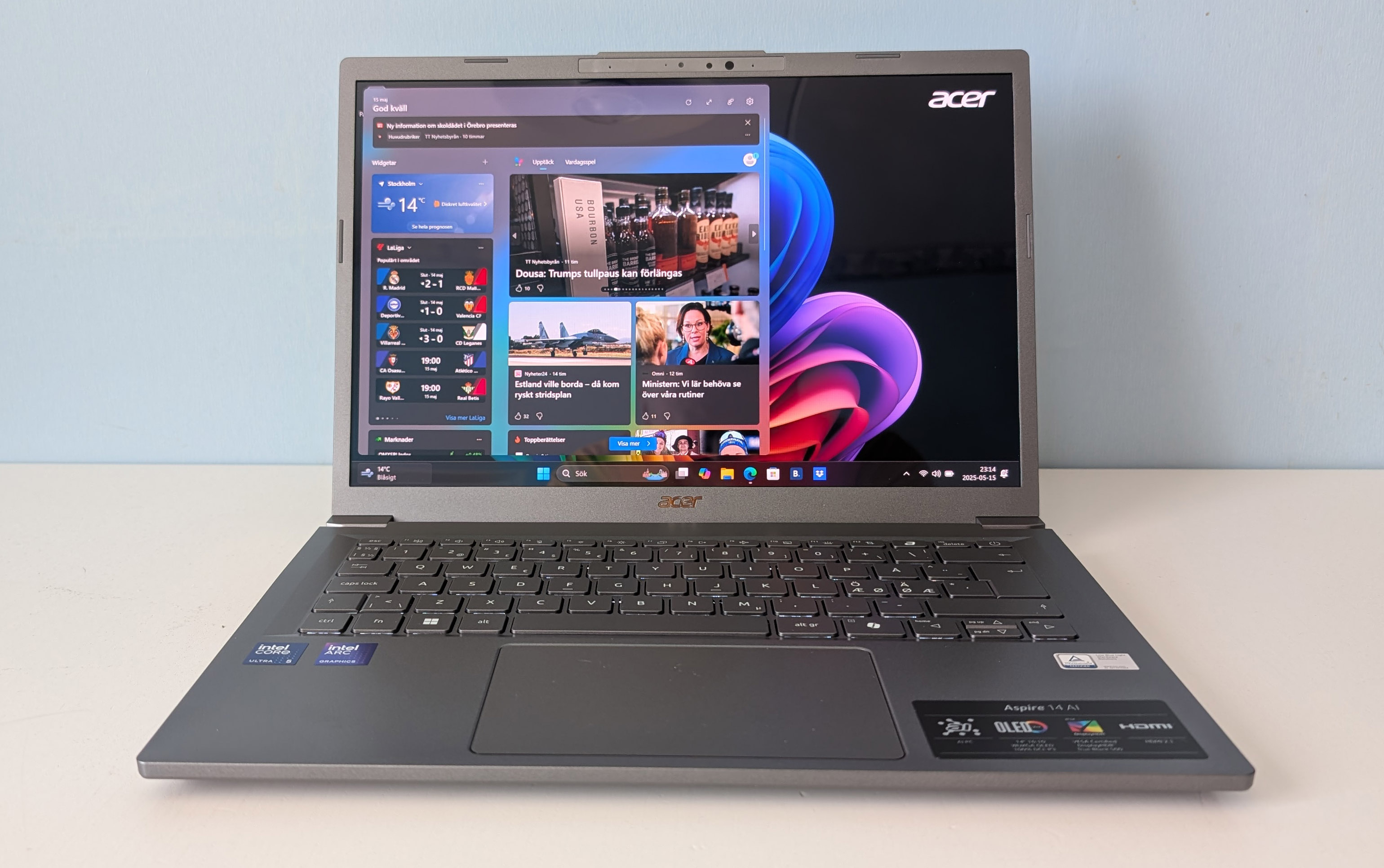
The Acer Aspire 14 AI laptop arrives as a budget-friendly alternative for users who demand both processing power and smart functionality without the premium price tag. Its combination of an AMD Ryzen 7 8700U processor, 16GB of DDR5 RAM, and a touchscreen display positions it squarely in the mid-range market—capable enough for multitasking and light creative work but not designed for heavy-duty computing.
Where the Aspire 14 distinguishes itself is in its integration of AI features, which, while not as advanced as dedicated tools, offer practical smart capabilities. These include voice commands and context-aware suggestions, catering to users who want basic automation without the overhead of more complex systems. However, the depth and reliability of these features remain a point of scrutiny, depending on how Acer implements them.
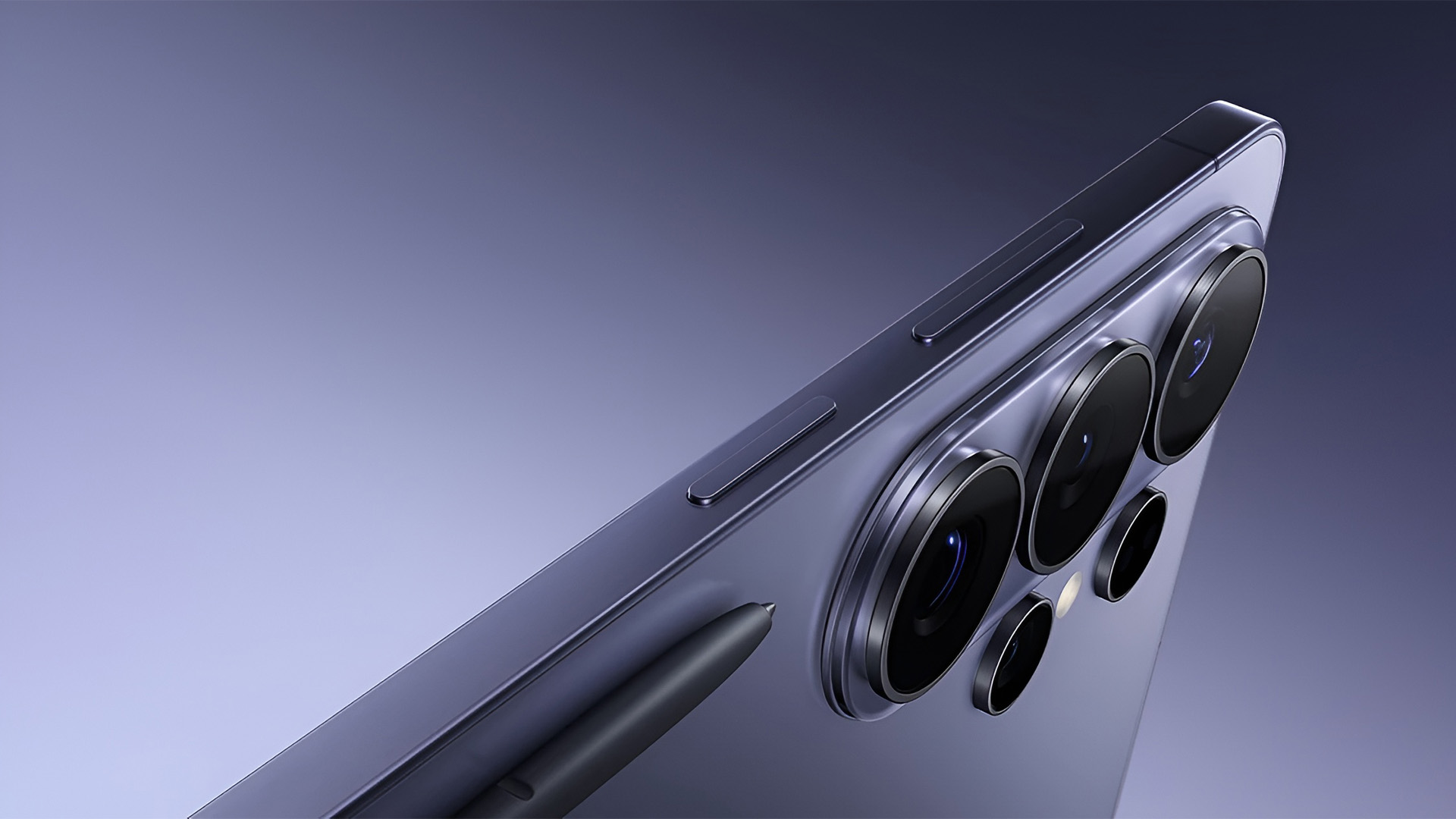
Build quality and portability are strong suits for this laptop. Its slim profile and 14-inch touchscreen make it ideal for users who prioritize mobility without sacrificing performance. Battery life, clocking in around seven hours under typical workloads, further enhances its appeal for students or professionals on the move.
But power users will quickly notice limitations that could impact long-term satisfaction. The laptop’s storage is fixed at 512GB, a constraint that may prove problematic for those with extensive media libraries or plans to upgrade software over time. The lack of an SSD upgrade slot means buyers must commit upfront to the available space, which could be a significant drawback for enthusiasts who value expandability.
For users who prioritize raw performance and build quality over AI features, established brands like Lenovo ThinkPad or Dell XPS may offer better long-term value. However, the Aspire 14’s price point and smart functionality make it an attractive option for those who see AI assistance as a key differentiator in this segment.
In summary, the Acer Aspire 14 AI laptop is a capable machine that balances performance and smart features at an accessible price. Its strengths lie in its processing power, portability, and battery life, but its fixed storage and limited upgrade path may leave some users wanting more. Whether these trade-offs are acceptable depends on individual needs—particularly how much weight one places on AI functionality versus long-term flexibility.