Windows 11 is now five years old, marking a pivotal moment in its journey from a bold reimagining of Microsoft’s operating system to a stable foundation for both consumer and enterprise computing. While it has matured significantly since its debut, the platform’s long-term relevance remains tied to its ability to adapt to the evolving needs of PC builders and the broader market.
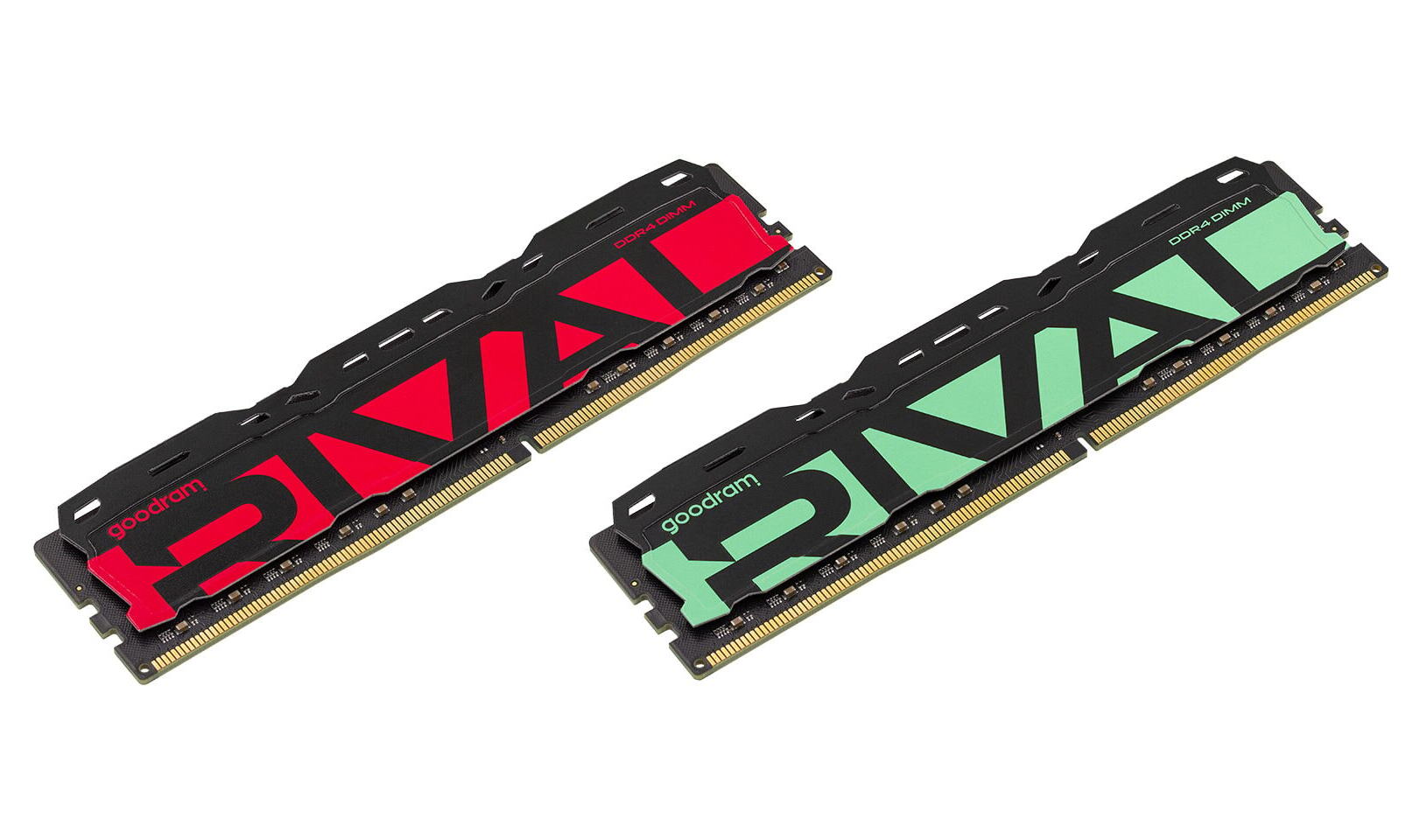
At launch, Windows 11 introduced a suite of features designed to streamline hardware compatibility while pushing performance boundaries. Key among these was the introduction of new system requirements, including support for TPM 2.0, Secure Boot, and at least 4 GB of RAM—standards that have since become the de facto benchmark for modern PCs. The platform also emphasized a more cohesive integration with Microsoft’s ecosystem, from cloud services to gaming optimizations.
Specs and Capabilities: Where Windows 11 Stands Today
The current iteration of Windows 11 is built on a foundation that includes support for up to 2 TB of RAM (though practical limits remain lower) and storage capacities that scale with the demands of modern workloads. The operating system’s core architecture, based on the NT kernel, continues to evolve with incremental updates, focusing on stability, security, and performance. For PC builders, this means a platform that is both flexible enough for custom configurations and robust enough to handle enterprise-grade deployments.
- Support for up to 2 TB of RAM (though real-world usage is constrained by hardware limitations).
- Storage capacities that scale with modern SSDs, including NVMe support for high-speed data access.
- Enhanced security features like TPM 2.0 and Secure Boot as standard requirements.
The platform’s compatibility has also expanded significantly over the past five years. While early adoption was slow due to hardware constraints, Windows 11 now runs on a diverse range of devices, from high-end gaming rigs to budget-friendly business machines. This broad adoption reflects Microsoft’s strategy to position Windows 11 as the default choice for both personal and professional computing environments.

The Compatibility Challenge: Balancing Innovation and Adoption
One of the most critical challenges facing Windows 11 is its compatibility with existing hardware, particularly for PC builders who rely on a mix of legacy and cutting-edge components. While Microsoft has made strides in expanding support for newer CPUs, GPUs, and peripherals, the platform’s evolution must carefully navigate the balance between pushing innovation and ensuring backward compatibility. This is especially true for enterprise users, where stability and long-term support are non-negotiable.
The implications of this challenge extend beyond hardware. As Windows 11 continues to integrate deeper with Microsoft’s ecosystem—such as its integration with Xbox Game Pass and cloud-based services—the platform’s relevance will depend on how well it adapts to the changing dynamics of the tech industry. For PC builders, this means a need for vigilance in selecting components that not only meet today’s requirements but also future-proof their systems against obsolescence.
Looking ahead, Windows 11’s trajectory will be shaped by its ability to anticipate and accommodate the next generation of hardware advancements. While Microsoft has already hinted at further refinements, the platform’s success in the coming years will hinge on its capacity to remain a seamless bridge between innovation and practicality—a task that grows more complex with each passing year.
The most immediate beneficiaries of Windows 11’s stability are likely to be enterprise users, who stand to gain from its mature feature set and robust support infrastructure. However, for PC builders, the platform’s long-term value will depend on Microsoft’s ability to maintain a delicate equilibrium between pushing performance limits and ensuring that the system remains accessible to a wide range of configurations.